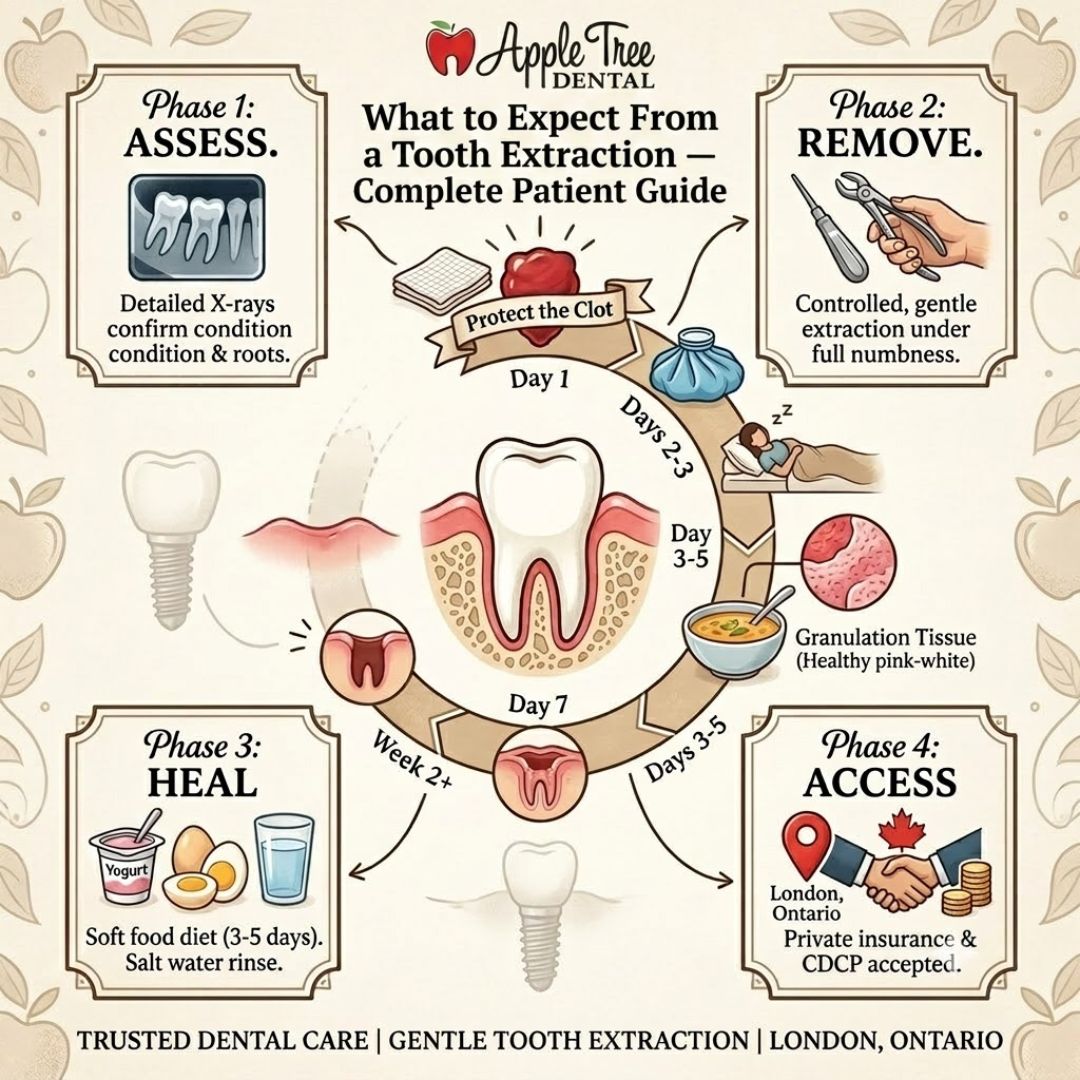
What to Expect From a Tooth Extraction — A Complete Patient Guide

A tooth extraction removes a tooth from its socket in the jawbone. Dentists perform this procedure when a tooth suffers too much damage, decay, or crowding to save. Most extractions in London, Ontario take a single appointment under local anaesthetic, and patients follow a predictable healing process lasting one to two weeks.

✦ Quick Answer

What Is a Tooth Extraction?

At Apple Tree Dental in London, Ontario, our dental team removes teeth that are severely decayed, fractured, infected, or impacted. We complete most extractions in a single visit using local anaesthetic. Most patients recover within seven to ten days. Wisdom tooth extractions may take slightly longer, depending on how deep the tooth sits in the jaw.

✦ Key Takeaways

Everything You Need to Know About Tooth Extraction in London, Ontario

  • Tooth extraction removes a tooth from its socket under local anaesthetic — the procedure itself does not hurt.
  • Recovery time for an extracted tooth runs seven to fourteen days; wisdom tooth sites may need slightly longer, depending on complexity.
  • Granulation tissue — a soft, pink-white tissue — fills the socket within a few days and signals healthy healing.
  • What to eat after extracting a tooth: soft foods such as yogurt, scrambled eggs, mashed potatoes, and soup work best for the first three to five days.
  • A healthy tooth socket after extraction partially closes by day seven, with granulation tissue visible and tenderness fading.
  • Dry socket — when the protective blood clot dislodges before healing completes — is the most common post-extraction complication and needs prompt dental care.
  • Apple Tree Dental in London, Ontario offers simple and surgical tooth extractions, including wisdom tooth removal, with same-day appointments for urgent cases.

What to Expect From a Tooth Extraction — A Complete Patient Guide

Your dentist just told you that you need a tooth extraction, and your mind immediately goes to worry. What will it feel like? How long will healing take? Will it hurt afterward? These are the questions patients at Apple Tree Dental in London, Ontario ask most often — and every one of them has a clear, honest answer. This guide covers every stage of the process: what extraction involves, what healing looks like day by day, what to eat afterward, and when to call your dentist if something feels off.

What Is a Tooth Extraction?

How does modern dentistry define a tooth extraction?

A tooth extraction removes a tooth completely from the alveolar socket — the cavity in the jawbone that holds the tooth root. In clinical practice, extractions fall into two categories: simple extractions and surgical extractions. A simple extraction involves a tooth visible in the mouth that a dentist can loosen and remove with forceps. A surgical extraction is necessary when a tooth is impacted, partially erupted, or has broken off at the gum line — as often happens with wisdom tooth removal.

From a patient’s perspective, a tooth extraction removes a tooth that no longer responds to repair or that creates problems a dentist cannot solve any other way. The Canadian Dental Association identifies extraction as the appropriate choice when decay, fracture, infection, or crowding makes keeping the tooth clinically inadvisable. Saving a natural tooth always comes first, but extraction is sometimes the most responsible decision for a patient’s long-term oral health.

What are the most common reasons for a tooth extraction?

According to Apple Tree Dental in London, Ontario, the most common reasons patients need a tooth extraction include advanced decay that destroys too much tooth structure to support a crown, a vertical root fracture that a dentist cannot restore, severe periodontal (gum) disease that has weakened the supporting bone, a tooth causing crowding before orthodontic treatment, and an impacted wisdom tooth that puts adjacent teeth at risk.

How Does a Tooth Extraction Work?

What happens at your appointment at Apple Tree Dental?

Knowing each step of the process makes the appointment far less stressful. Here is exactly what happens from the moment you sit in the chair to the moment you leave.

  1. Assessment and X-rays. Your dentist takes a periapical X-ray to assess root shape, bone levels, and surrounding anatomy before touching any instruments.
  2. Local anaesthetic. Your dentist applies a topical numbing gel to the gum tissue first, then delivers the local anaesthetic injection. You will feel pressure during the procedure, but not pain. Full numbness sets in within two to three minutes.
  3. Loosening the tooth. For a simple extraction, your dentist uses a dental elevator to gently loosen the tooth within the socket. This expands the surrounding bone and releases the fibres that hold the tooth in place.
  4. Removal. Dental forceps grasp the tooth and remove it with controlled rocking and rotational movements. Once the tooth is adequately loosened, this step often takes under a minute.
  5. Surgical steps (if required). For an impacted or broken tooth, your dentist makes a small incision in the gum and may section the tooth — dividing it into smaller pieces — to allow removal with minimal force and less bone disturbance.
  6. Socket care. Your dentist inspects and cleans the socket, then places a gauze pad over the site. You bite down firmly for 30 to 45 minutes to help the blood clot form.
  7. Aftercare instructions. Before you leave, your dental team hands you written aftercare instructions and answers all questions about recovery, diet, and warning signs.

Most simple extractions wrap up within 20 to 40 minutes from start to finish. Surgical extractions of impacted wisdom teeth may take 45 to 90 minutes, depending on complexity. You stay awake throughout and remain in full control of the process at all times.

Who Is a Good Candidate for Tooth Extraction?

Who typically needs a tooth removed?

Most adults and older adolescents qualify for tooth extraction when clinical indications exist. Your dentist at Apple Tree Dental reviews your specific situation — including your medical history, medications, and the condition of surrounding bone and teeth — before recommending extraction.

Good candidates include patients with a tooth their dentist has assessed as beyond repair, patients with an impacted wisdom tooth causing pain, infection, or damage to neighbouring teeth, patients preparing for orthodontic treatment that requires more space, and patients whose tooth keeps triggering a chronic infection despite antibiotic treatment.

Are there any medical conditions your dentist needs to know about?

Yes. Certain health conditions call for extra steps before your dentist proceeds with an extraction. If you take blood thinners, bisphosphonate medications for bone density, or immunosuppressants, tell your dentist before your appointment. Patients with a history of heart conditions, diabetes, or a weakened immune system may need their physician involved in pre-treatment planning. The Royal College of Dental Surgeons of Ontario (RCDSO) sets clear standards for managing medically complex dental patients, and Apple Tree Dental follows those guidelines for every patient.

If you are unsure whether extraction is the right choice for your tooth, a consultation gives you the clearest picture. In some cases, root canal treatment, a crown, or periodontal therapy offers a viable path before extraction enters the conversation.

How Much Does a Tooth Extraction Cost in London, Ontario?

Does the Canadian Dental Care Plan (CDCP) cover it?

Treatment costs vary based on individual clinical needs. A simple extraction of a single-rooted tooth carries a different fee than a surgical extraction of a deeply impacted wisdom tooth that requires sectioning and sutures. Key cost factors include the complexity of the extraction, whether you need sedation, the number of teeth involved, and whether imaging beyond a standard X-ray is necessary.

Dental offices in London, Ontario typically use the Ontario Dental Association (ODA) fee guide as a pricing reference. Most private dental insurance plans in Canada cover a share of extraction fees — commonly 70% to 80% of the ODA rate, subject to your annual maximum and deductible. Confirm your specific coverage with your insurer before treatment.

The Canadian Dental Care Plan (CDCP), run by the Government of Canada and Sun Life, covers eligible Canadians who have no private dental insurance and meet household income thresholds. Tooth extractions qualify as a covered benefit under the CDCP. Apple Tree Dental accepts the Canadian Dental Care Plan and confirms your eligibility at the time of your appointment. Contact our team directly for a personalised cost estimate — we provide a fully itemised treatment plan before any procedure begins.

Tooth Extraction vs Alternatives: Which Option Suits Your Situation?

What other treatments should you consider first?

Extraction is not always the only path. When a tooth carries damage but the root and surrounding bone remain intact, alternatives are often worth exploring before permanently removing the tooth. Your dentist outlines which options make clinical sense for your specific case.

OptionBest ForKey AdvantageKey Consideration
Tooth ExtractionNon-restorable teeth, impacted wisdom teeth, severe infectionResolves the problem completely; no ongoing maintenance of the affected toothReplacing the tooth (implant, bridge) prevents bone loss afterward
Root Canal TreatmentInfected or dead pulp with enough tooth structure remainingSaves the natural tooth and preserves surrounding boneA crown is typically needed afterward; not an option if the tooth has too little structure left
Dental CrownCracked or heavily decayed teeth with healthy rootsRestores full function and appearance without removing the toothRequires enough natural tooth structure to support the crown

According to Apple Tree Dental in London, Ontario, keeping the natural tooth is always the preferred clinical outcome when root structure and surrounding bone can support it. Your dentist recommends extraction only when the tooth cannot be restored predictably, or when keeping it creates more risk than removing it. Patients who proceed with extraction and want to replace the missing tooth can review dental implant options as part of their treatment plan.

Recovery and Aftercare: What Happens After Your Tooth Extraction

What does the healing timeline look like day by day?

Healing after a tooth extraction follows a predictable sequence. Understanding what a healthy tooth socket after extraction looks like — and how the site changes from one day to the next — helps you tell normal healing from something that needs attention.

Day 1: A blood clot forms in the socket within the first hour. This clot forms the foundation of the entire healing process — protecting it is the single most important action you can take on day one. Expect mild to moderate swelling, some oozing, and tenderness that over-the-counter pain relief manages comfortably.

Days 2 to 3: Swelling often peaks around the second day. The socket looks dark red at the edges. Tooth extraction healing pictures day by day at this stage show a socket partially filled with the blood clot and surrounded by slightly inflamed gum tissue. This is normal.

Days 3 to 5 — granulation tissue appears: The blood clot starts giving way to granulation tissue — a soft, pink-white or slightly yellowish material your body produces as it builds new cells in the wound. Pictures of granulation tissue after tooth extraction show a socket lighter in colour than the surrounding gum, with a soft, slightly uneven surface. This is a healthy sign, not a sign of infection. Granulation tissue is how your body fills and closes the socket from the inside out.

Days 5 to 7: Tenderness drops significantly for most patients. The gum tissue at the socket margins begins closing inward. What does a tooth extraction look like after 3 days and into days four and five is a progressively lighter socket with visible new tissue and minimal bleeding. Any swelling or bruising starts to clear.

Week 2 and beyond: The socket keeps filling with granulation tissue and eventually new bone. Full bone remodelling takes several months, but the visible wound typically closes and feels comfortable within two to four weeks.

What should you do — and avoid — after an extraction?

✓ Do ✕ Avoid

Do

  • Bite firmly on gauze for 30 to 45 minutes after the procedure
  • Apply an ice pack (20 minutes on, 20 minutes off) for the first 24 hours to manage swelling
  • Take prescribed or recommended pain relief as directed
  • Eat soft foods — yogurt, mashed potatoes, scrambled eggs, soup — for the first three to five days
  • Keep the area clean by gently rinsing with warm salt water starting 24 hours after extraction
  • Sleep with your head slightly elevated the first night to reduce swelling

Avoid

  • Smoking or using any tobacco product for at least 72 hours — nicotine and suction interfere with clot formation
  • Using a straw for the first 72 hours — the suction can pull the blood clot out of the socket
  • Rinsing aggressively or spitting forcefully for the first 24 hours
  • Hard, crunchy, or spicy foods that can irritate or introduce particles into the socket
  • Vigorous physical activity for 24 to 48 hours after extraction
  • Poking or probing the socket with fingers, tongue, or utensils

Clinical Note — Dry Socket

Dry socket (alveolar osteitis) develops when the blood clot leaves the socket before healing completes. It produces a dull, radiating pain that typically starts two to four days after extraction and does not improve with standard pain relief. Dry socket is not an infection, but it needs treatment. Contact Apple Tree Dental promptly if pain increases rather than fades after day three — we can medicate and dress the socket for rapid relief.

Why Patients in London, Ontario Choose Apple Tree Dental

What makes Apple Tree Dental the right choice for your extraction?

Apple Tree Dental in London, Ontario handles tooth extractions — including surgical wisdom tooth removal — with current techniques, modern equipment, and a genuine focus on patient comfort and clear communication. The clinic meets the full standards of the Royal College of Dental Surgeons of Ontario (RCDSO) and follows the guidance of the Canadian Dental Association (CDA). Every extraction begins with a thorough clinical and radiographic assessment to confirm the diagnosis and deliver the procedure safely.

What support do patients receive after treatment?

Patients leave every appointment with detailed written aftercare instructions and direct access to the clinical team for questions or concerns throughout recovery. The Apple Tree Dental team has extensive experience with anxious patients and dedicates the time needed to make sure every person fully understands their treatment plan before consenting to any procedure. Our general dentistry services include post-extraction monitoring to confirm healthy socket healing and support tooth replacement planning when the time comes.

Frequently Asked Questions About Tooth Extraction in London, Ontario

Is a tooth extraction painful?

A: The extraction procedure does not hurt. Your dentist administers local anaesthetic before using any instruments and waits for full numbness before proceeding. You will feel pressure and movement throughout, but not sharp pain. After the anaesthetic wears off, mild to moderate soreness at the site is normal for two to four days. Over-the-counter pain relief such as ibuprofen or acetaminophen manages this well. If pain increases after day three rather than fading, call your dental team — this may signal dry socket, which is treatable.

What is the recovery time for an extracted tooth?

A: Recovery time for an extracted tooth depends on the complexity of the procedure. Most patients feel comfortable within seven to ten days after a simple extraction. Surgical extractions — particularly impacted wisdom teeth — may bring tenderness and swelling for ten to fourteen days. The socket continues to heal beneath the gum surface for several weeks, and full bone remodelling takes two to six months. Most patients return to normal activities within 24 to 48 hours after a straightforward extraction.

What does a healthy tooth socket look like after extraction?

A: A healthy tooth socket changes progressively over the first two weeks. In the first 24 hours, it appears dark red as the blood clot forms. By days three to five, granulation tissue replaces the clot — a soft, pinkish-white material that looks slightly different from the surrounding gum. This is normal and healthy. By day seven, the gum edges start closing inward over the socket. A socket that heals well shows decreasing tenderness, no foul odour, and no sudden jump in pain after the first few days.

What should I eat after a tooth extraction?

A: Stick to soft foods for the first three to five days after extraction. Good options include yogurt, mashed potatoes, scrambled eggs, smooth soups, applesauce, oatmeal, and soft-cooked pasta. Avoid hard, crunchy, or spicy foods that can disturb the clot or push food particles into the socket. Skip alcohol for at least 24 hours. Do not use a straw for the first 72 hours — the suction creates negative pressure that can pull the blood clot out of the socket and lead to dry socket. Bring normal foods back gradually as tenderness fades.

Does dental insurance or the CDCP cover tooth extractions?

A: Most private dental insurance plans in Canada cover tooth extractions as a basic or preventive service, typically at 70% to 80% of the ODA fee guide rate. Surgical extractions, including wisdom tooth removal, usually fall under the major services or oral surgery benefit. The Canadian Dental Care Plan (CDCP) covers tooth extractions for eligible Canadians who lack private dental insurance and meet household income requirements. Apple Tree Dental accepts the CDCP and confirms your eligibility at booking. Contact our team for a personalised estimate.

What does granulation tissue look like after a tooth extraction?

A: Yes — granulation tissue is a completely normal part of healing. Your body produces it around days three to five to replace the initial blood clot with new cellular tissue. Granulation tissue looks soft, pink-white or slightly creamy, and may appear somewhat uneven in texture. It is not pus and does not signal infection. Its presence is a positive sign that healing moves forward as it should. If the socket appears empty, looks very dark, or produces a foul smell alongside increasing pain, call your dentist — those signs point to dry socket, not normal granulation.

When should I contact my dentist after a tooth extraction?

A: Call Apple Tree Dental if you notice: pain that increases rather than decreases after day three, a socket that looks empty with an exposed bony surface, a foul taste or odour that develops after the first day or two, fever above 38 degrees Celsius, swelling that worsens after day two instead of improving, difficulty opening your jaw beyond what was present immediately after the procedure, or heavy bleeding that does not stop with firm gauze pressure held for 30 to 45 minutes. Any of these signs call for a same-day or next-day evaluation.

Need a Tooth Extraction in London, Ontario? Book at Apple Tree Dental

A tooth that needs to come out does not get easier to deal with by waiting. Whether you manage pain from an impacted wisdom tooth, carry a severely broken tooth, or have a referral for a surgical extraction, Apple Tree Dental in London, Ontario handles the full range of extraction cases in a calm, well-equipped environment. We walk through every step before we begin, offer same-day appointments for urgent cases, and support you through every stage of healing. Our team accepts the Canadian Dental Care Plan (CDCP) and works with most private dental insurance plans. Patients who want to discuss tooth replacement after extraction can explore dental implant options and restorative dentistry at the same consultation.

Book Your Tooth Extraction Consultation in London, Ontario

Apple Tree Dental delivers comfortable, clinically precise tooth extractions for patients across London, Ontario. Simple or surgical, urgent or planned — our team handles each case with care, clear communication, and full aftercare support. We accept the Canadian Dental Care Plan and most private insurance. No pressure. No surprises. Just honest dental care when you need it.

Book Your Consultation Today →

✦ About the Author
Apple Tree Dental London Ontario tooth extraction services logo

📍 London, Ontario

Apple Tree Dental

Your Trusted Extraction & Family Dental Clinic in London, Ontario

The clinical team at Apple Tree Dental in London, Ontario handles simple and surgical tooth extractions, wisdom tooth removal, and complete post-extraction care. The clinic pairs modern techniques with compassionate, personalised treatment for patients of all ages. All procedures meet RCDSO standards and Canadian dental guidelines.

Serving patients across London, Ontario and surrounding neighbourhoods

Book a Consultation →

Where to Find a Dental Clinic for Emergency in London, Ontario?

Dental emergencies don’t wait — and delaying care can make things worse. Whether it’s severe tooth pain, a broken tooth, or a child’s dental injury, finding a dental clinic for emergency in London, Ontario quickly is critical for protecting your oral health. This guide gives you clear answers, immediate steps, and the confidence to act fast — especially when choosing Apple Tree Dental’s emergency dental care in London, Ontario.

Quick Emergency Answer

What is a dental emergency?
A dental emergency includes severe pain, swelling, bleeding, infection, or trauma (such as a knocked-out tooth) that requires immediate care to relieve discomfort, prevent infection, or save a tooth. According to the American Dental Association (ADA), prompt evaluation by a licensed dentist is the safest course of action.

Emergency Dental Quick Guide

Situation Action Required
Severe tooth pain Needs urgent evaluation
Swelling or abscess Infection risk — do not delay
Knocked-out tooth Act within 30–60 minutes
Broken tooth Prevent further damage immediately
Child dental injury Visit an emergency pediatric dentist

If you’re searching for emergency dental treatment near me, these are signs you should seek care right away.

What Situations Require a Dental Clinic for Emergency?

Not all dental issues are urgent — but the following require immediate attention:

  • Persistent or intense toothache
  • Cracked, chipped, or fractured teeth
  • Knocked-out or loose teeth
  • Gum infections or swelling
  • Bleeding that doesn’t stop
  • Lost fillings or crowns causing pain

The Mayo Clinic notes that tooth pain accompanied by fever or swelling around the jaw may signal a serious infection requiring urgent medical or dental attention. A professional emergency dental provider can quickly diagnose and stabilize these conditions before they worsen.

Why Choosing the Right Emergency Dental Clinic Matters

In an emergency, speed and expertise matter. Choosing a clinic fully equipped for urgent care ensures better outcomes.

Apple Tree Dental’s two London, Ontario locations offer:

  • Same-day emergency appointments
  • Advanced digital diagnostics
  • Immediate pain relief solutions
  • Customized treatment planning

This ensures patients receive fast relief while addressing the root cause of the issue.

After Hours Emergency Dentist: Care Beyond Regular Hours

Dental emergencies often occur at inconvenient times. Access to an after hours emergency dentist ensures you’re never left waiting in pain. The Canadian Dental Association (CDA) advises patients to contact their dental provider as soon as possible when an emergency arises — even outside of business hours.

At Apple Tree Dental:

  • Evening appointments are available
  • Weekend emergency care is supported
  • Urgent cases are prioritized

If you’re searching for an emergency walk-in dentist near me, choosing a clinic with flexible scheduling makes a significant difference. You can reach the North London location or the South London location based on whichever is closest to you.

Emergency Dental Care for Children

Children require gentle, specialized care during dental emergencies. Their needs are different — and so is the approach.

Common Pediatric Emergencies:

  • Knocked-out baby or permanent teeth
  • Severe toothaches from cavities
  • Broken or chipped teeth
  • Oral injuries from falls or sports

The Ontario Dental Association (ODA) recommends that parents act quickly in the event of a dental injury, particularly with knocked-out permanent teeth, as time is critical. An emergency pediatric dentist or emergency dentist for kids ensures child-friendly communication, gentle handling, and proper care for developing teeth.

Apple Tree Dental’s children’s dentistry service provides a calm, supportive environment to help children feel safe during treatment.

What to Do Before You Reach the Clinic

Taking the right steps immediately can improve treatment success:

  • Knocked-out tooth: Place it in milk or saliva (do not scrub)
  • Swelling: Apply a cold compress externally
  • Bleeding: Use clean gauze with gentle pressure
  • Pain: Take over-the-counter medication (avoid placing aspirin directly on gums)

Health Canada recommends that Canadians maintain access to routine and emergency dental services as part of overall health care — reinforcing why having a trusted local clinic is essential.

Apple Tree Dental Emergency Workflow

Understanding what to expect reduces stress and improves confidence.

  • Step 1 — Immediate Triage: Quick assessment of symptoms and urgency
  • Step 2 — Digital Diagnosis: X-rays and clinical examination
  • Step 3 — Pain Control: Immediate relief using safe techniques
  • Step 4 — Same-Day Treatment: Fillings, repairs, root canals, or wisdom teeth extractions
  • Step 5 — Recovery Plan: Long-term prevention and follow-up care

For patients with dental anxiety, Apple Tree Dental also offers sedation dentistry to make emergency visits as comfortable as possible.

Local Emergency Dental Care in London, Ontario

Apple Tree Dental serves patients across North London, Downtown London, East London, and nearby Ontario communities. View special offers currently available at both locations to make emergency and ongoing care even more accessible.

Why Immediate Treatment Is Critical

Delaying care can lead to:

  • Infection spreading to other parts of the body
  • Permanent tooth loss
  • Increased treatment complexity
  • Higher long-term costs

Early intervention significantly improves treatment success and reduces complications — a principle underscored by dental health authorities across Canada.

How to Prevent Future Dental Emergencies

While not all emergencies can be avoided, these steps reduce risk:

  • Schedule regular teeth cleaning appointments
  • Wear mouthguards during sports
  • Avoid chewing hard objects
  • Maintain proper oral hygiene

For patients interested in long-term structural protection, dental implants and dental crowns and bridges are restorative options that can prevent recurring emergencies caused by weakened or missing teeth. Prevention is always more effective — and less stressful — than emergency treatment.

FAQ: Dental Clinic for Emergency

How quickly can I get emergency dental treatment in London, Ontario?

Most emergency clinics offer same-day appointments depending on availability. Apple Tree Dental prioritizes urgent cases at both locations.

Can I visit an emergency dentist without an appointment?

Yes, many clinics accept walk-ins or urgent bookings. Contact Apple Tree Dental directly for the fastest response.

Are emergency dental services available for kids?

Yes, an emergency pediatric dentist provides specialized care for children, including handling knocked-out teeth and oral injuries from falls.

What if I need a dentist late at night?

Look for an after hours emergency dentist with extended availability. Apple Tree Dental offers evening and weekend care.

Is swelling always a dental emergency?

Yes — swelling may indicate infection and should be treated immediately. Do not delay seeking care.

Conclusion: Your Trusted Emergency Dental Clinic in London, Ontario

A dental emergency can happen to anyone — and when it does, having a trusted clinic ready to act makes all the difference. From severe toothaches and knocked-out teeth to urgent care for children, Apple Tree Dental is equipped to handle every situation with speed, skill, and compassion. The right care at the right time doesn’t just relieve pain — it can save teeth, prevent serious infection, and protect your long-term oral health.

Don’t wait when every minute matters. Book your emergency appointment at Apple Tree Dental in London, Ontario today. If you have questions before your visit, explore our full range of dental services or visit our dental health blog for more guidance on keeping your smile healthy year-round.

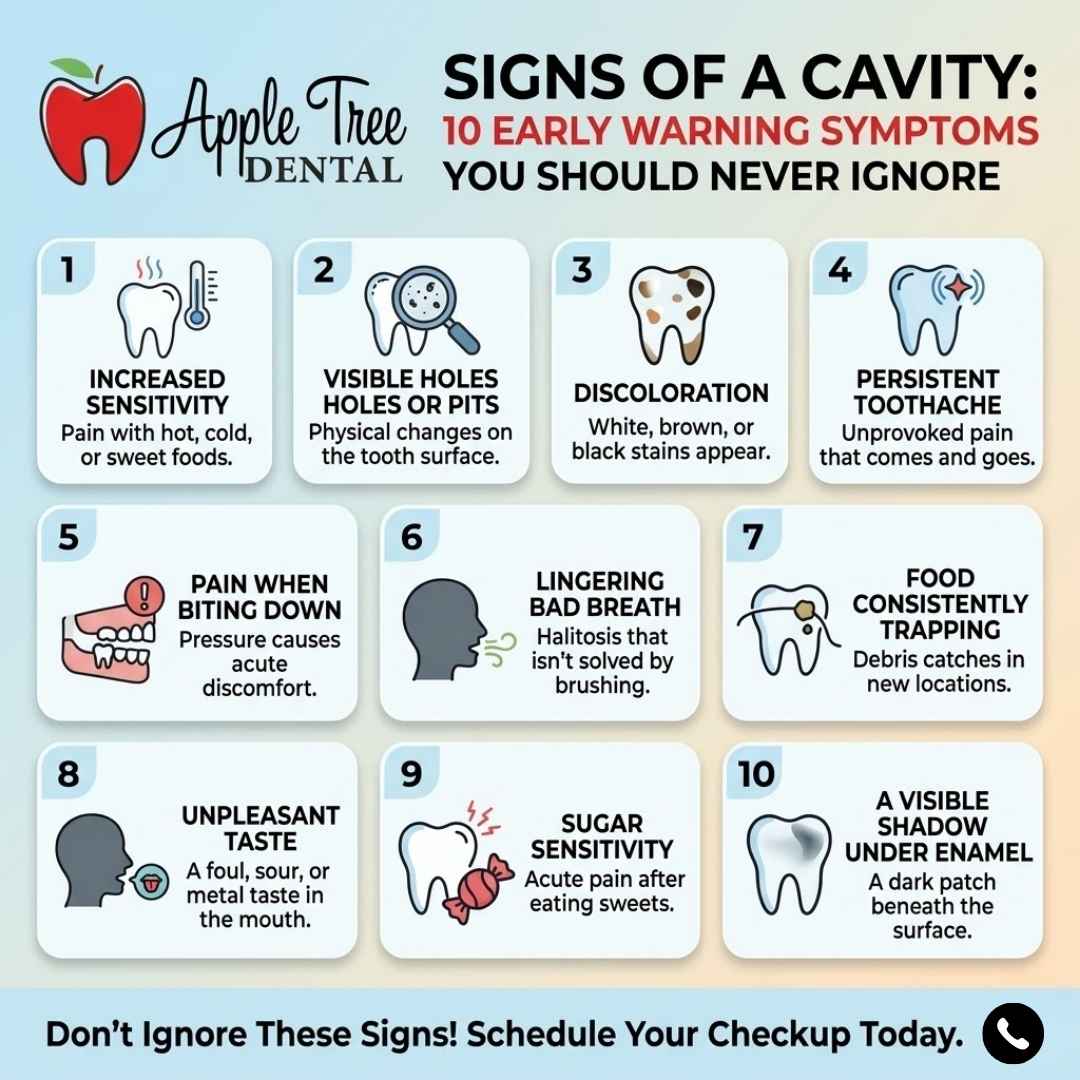
Signs of a Cavity: 10 Early Warning Symptoms You Should Never Ignore

Tooth decay is one of the most common oral health conditions affecting Canadians of all ages. The problem is that most people do not realize a cavity is forming until it causes pain or visible damage. Recognizing the signs of a cavity early gives you the best chance at simple, affordable treatment before the problem gets significantly worse. A cavity — also called dental caries — develops when bacteria in the mouth produce acids that gradually break down tooth enamel, the hard protective outer layer of your teeth. Left untreated, this leads to cavity tooth decay, structural holes in the tooth, and potential infection spreading to surrounding tissue and bone. According to the Public Health Agency of Canada, tooth decay is one of the most widespread chronic conditions affecting Canadians, making early detection critical for protecting long-term oral health. Patients at Apple Tree Dental in London, Ontario are regularly advised to monitor for these warning signs so cavities can be addressed before progressing into more serious dental problems.

Quick Answer: What Are the Signs of a Cavity?

The most common signs of a cavity include tooth sensitivity, pain when chewing, visible holes or dark spots on teeth, persistent bad breath, and sensitivity to hot, cold, or sweet foods. Detecting these symptoms early can prevent severe tooth decay and more complex dental treatments.

  • Tooth sensitivity to hot, cold, or sweet foods
  • Pain or discomfort when chewing
  • Visible holes or pits in the tooth surface
  • Dark spots or discoloration on enamel
  • Persistent bad breath that does not resolve with brushing
  • A lingering bad taste in one area of the mouth
  • Swollen gums around a single tooth

As the Canadian Dental Association explains, without professional treatment, decay spreads through the enamel into deeper tooth layers, eventually reaching the pulp and causing infection.

What Is a Cavity?

A cavity is a permanently damaged area in a tooth caused by acid-producing bacteria. These bacteria combine with sugars and starches from food to form plaque — a sticky film that continuously erodes tooth enamel over time. Common causes include poor oral hygiene, frequent sugary or acidic food intake, dry mouth, plaque buildup, and infrequent dental visits.

  • Poor oral hygiene habits
  • Frequent consumption of sugary or acidic foods and beverages
  • Plaque and tartar buildup along the gumline
  • Dry mouth caused by medications or health conditions
  • Insufficient fluoride exposure
  • Infrequent professional dental visits

Regular checkups through family dentistry at Apple Tree Dental help catch early decay in patients of all ages before it requires more complex and costly treatment.

What Does a Cavity Look Like?

Many patients ask what a cavity looks like because early-stage cavities are not always obvious without a professional examination. Common visual signs include white chalky spots on the enamel, brown or black staining, small holes or pits in the tooth surface, and rough or uneven tooth texture. Cavities forming between teeth or beneath older dental work are entirely invisible without X-rays. The Ontario Dental Association recommends routine dental X-rays as part of every comprehensive exam to catch hidden decay at the earliest stage possible — before symptoms develop and before the damage spreads.

Stages of Tooth Decay

Understanding how cavity tooth decay progresses explains why early action protects both your teeth and your wallet.

Stage 1 — Demineralization

Acids dissolve minerals from the enamel surface. This is the only reversible stage and can be addressed with fluoride and improved oral hygiene before a hole forms.

Stage 2 — Enamel Decay

A hole begins to form in the enamel. Professional treatment is now required and a dental filling is typically all that is needed at this stage.

Stage 3 — Dentin Decay

Decay reaches the softer dentin layer beneath the enamel, causing noticeable sensitivity. Decay spreads significantly faster through dentin than enamel.

Stage 4 — Pulp Damage

Infection reaches the nerves and blood vessels inside the tooth, causing more severe and persistent pain.

Stage 5 — Dental Abscess

Infection spreads beyond the tooth root into surrounding bone and tissue, requiring emergency dental care and potentially antibiotics. Early intervention at Apple Tree Dental in London, Ontario can stop decay at any of the first three stages before more complex treatment becomes necessary.

10 Early Signs of a Cavity

Recognizing the signs and symptoms of a cavity gives you the opportunity to seek treatment before the damage worsens.

1. Tooth Sensitivity

Discomfort when consuming hot, cold, or sweet foods is often the first warning signal. It indicates that enamel has thinned enough to leave the underlying dentin exposed to temperature and sugar stimuli.

2. Pain When Chewing

Pressure or pain when biting down suggests decay has structurally weakened the affected tooth. In some cases, a hairline crack caused by decay may also contribute to this sensation.

3. Persistent Toothache

A recurring or constant ache — even one that comes and goes — is one of the most recognized signs of a cavity and should never be left without evaluation. Spontaneous pain with no obvious trigger may indicate decay has reached the pulp.

4. Visible Holes in the Tooth

Small pits or holes visible on the tooth surface indicate the cavity has advanced past the enamel layer. At this stage, a dental filling or crown is typically required to restore the tooth structure.

5. Dark Spots or Discoloration

Cavities frequently present as brown, black, or gray spots on the tooth surface. Not all discoloration is decay — a dentist can confirm the difference during a clinical examination and X-ray review.

6. Bad Breath That Won’t Clear Up

The bacteria responsible for tooth decay produce sulfur compounds that cause persistent bad breath, even after consistent brushing and flossing. If bad breath does not resolve with regular oral hygiene, a cavity or early gum disease may be the underlying cause.

7. A Lingering Bad Taste

A localized unpleasant taste in one area of the mouth can occur when food debris and bacteria accumulate inside a decayed area of the tooth. This is typically more noticeable after meals.

8. Food Repeatedly Getting Stuck

If food catches in the same spot between teeth at every meal, early structural decay may be creating a pocket or gap where food becomes trapped. This is worth mentioning to your dentist at your next professional teeth cleaning appointment.

9. Swollen Gums Around One Tooth

Localized swelling or tenderness in the gum tissue around a single tooth can signal that infection from advanced decay has begun spreading beyond the tooth root. This symptom warrants prompt evaluation.

10. Sensitivity to Sweet Foods

Sharp, brief sensitivity when eating sweets is a very common early indicator. Sugar triggers bacterial acid production, and a tooth with compromised enamel reacts quickly to this stimulus.

10 Early Signs of a Cavity — At a Glance

Warning Sign What It May Indicate
Tooth sensitivity Enamel thinning exposing dentin
Pain when chewing Structural weakening of the tooth
Persistent toothache Decay nearing or reaching the pulp
Visible holes or pits Advanced enamel damage
Dark spots or discoloration Active decay on tooth surface
Persistent bad breath Bacterial buildup inside a cavity
Lingering bad taste Debris accumulating in decayed area
Food getting stuck Structural gap created by decay
Swollen gums near one tooth Infection spreading beyond the root
Sensitivity to sweets Compromised enamel reacting to sugar

How Dentists Diagnose Cavities

Dentists detect cavity tooth decay using visual examinations under magnification, dental probing to identify softened enamel, digital X-rays, and in some clinics, laser cavity detection technology. The Canadian Dental Association recommends a professional checkup every six months for most adults — and more frequently for those with a history of recurring decay or gum disease. If you experience dental anxiety, Apple Tree Dental also offers sedation dentistry to make exams and treatments as comfortable as possible.

How Cavities Are Treated

Treatment depends entirely on how far the decay has progressed. Earlier detection consistently means a simpler and less costly procedure.

Dental Fillings

Small to moderate cavities are restored with tooth-colored composite fillings that rebuild the tooth’s natural shape and function. This is the most common cavity treatment.

Dental Crowns

When decay has damaged a large portion of the tooth structure, a dental crown is placed over the remaining tooth to protect it and restore full chewing function.

Root Canal Treatment

If infection has reached the pulp, a root canal treatment removes the bacteria and infected tissue, seals the canals, and saves the natural tooth from extraction. This procedure is far less uncomfortable than most patients anticipate with modern anaesthetic techniques.

Tooth Extraction and Replacement

Severely damaged teeth that cannot be restored may need to be removed. Dental implants are available as a natural-looking, permanent tooth replacement option for eligible patients.

How to Prevent Cavities

Prevention requires consistent daily habits combined with regular professional care. Health Canada identifies fluoride use and routine dental visits as the most effective evidence-based strategies for reducing tooth decay across all age groups.

  • Brush at least twice daily with fluoride toothpaste
  • Floss once daily to remove plaque from between teeth
  • Limit the frequency of sugary, starchy, and acidic foods and drinks
  • Drink fluoridated tap water throughout the day
  • Schedule professional teeth cleanings every six months
  • Ask your dentist about dental sealants for cavity-prone back teeth

Apple Tree Dental proudly accepts the Canada Dental Care Plan (CDCP) with no additional fees for insured patients — making preventive dental care more accessible for eligible families across London, Ontario.

Frequently Asked Questions

1. What are the first signs of a cavity?

The earliest signs include tooth sensitivity to hot, cold, or sweet foods, white chalky spots on the enamel, and mild discomfort when chewing or biting down.

2. Is cold sensitivity always a sign of a cavity?

Not always, but it is one of the most common early indicators of enamel damage. It can also point to gum recession or a cracked tooth — a dental exam is the safest and most accurate next step.

3. Can a cavity heal without treatment?

No. Once a hole has formed in the enamel, it requires professional treatment. Very early demineralization — before a hole develops — may be partially reversed with consistent fluoride use and improved oral hygiene.

4. Are cavities always painful?

No. Early-stage cavities often cause no pain at all, which is why routine dental checkups are essential for catching decay before symptoms develop.

5. How do I tell the difference between a stain and a cavity?

Surface stains affect tooth color without compromising tooth structure. A cavity involves actual destruction of enamel and deeper tooth layers. A dentist confirms the difference during a clinical exam using probing and X-rays.

6. When should I contact a dentist about a possible cavity?

You should contact a dentist as soon as you notice any sensitivity, pain, discoloration, or visible holes in a tooth. Reach out to the team at Apple Tree Dental if you have any concerns — early evaluation almost always means simpler treatment.

Conclusion

Recognizing the signs of a cavity early is the single most effective way to keep treatment simple and protect your teeth long-term. Symptoms such as tooth sensitivity, dark spots, persistent bad breath, and pain while chewing all point to developing tooth decay that deserves prompt professional evaluation. Early diagnosis almost always means less invasive treatment — a straightforward filling rather than a root canal or extraction.

Maintaining consistent oral hygiene, reducing the frequency of sugary foods and drinks, and attending regular dental visits can significantly reduce your lifetime cavity risk. If you notice any of the warning signs described above, do not wait for the discomfort to worsen. Early action protects your tooth, your wallet, and your overall health.

For patients in London, Ontario and surrounding communities, Apple Tree Dental provides comprehensive dental exams, digital X-rays, and personalized preventive care at two convenient locations. Check our special offers page for current promotions and explore our full range of dental services to find the right care for your needs.

About the Author

This article was written by the dental care team at Apple Tree Dental in London, Ontario. Our experienced dentists and oral health professionals are dedicated to providing patients with accurate, up-to-date information to support informed dental decisions. Apple Tree Dental offers a comprehensive range of services, including family dentistry, cosmetic dentistry, and emergency dental care for patients across London, Ontario, and surrounding communities, including Strathroy, St. Thomas, Aylmer, and Thorndale. Our content is reviewed for accuracy and aligned with guidelines from the Canadian Dental Association and Health Canada’s oral health resources. To learn more or book an appointment, visit our dental health blog or book your appointment online today.

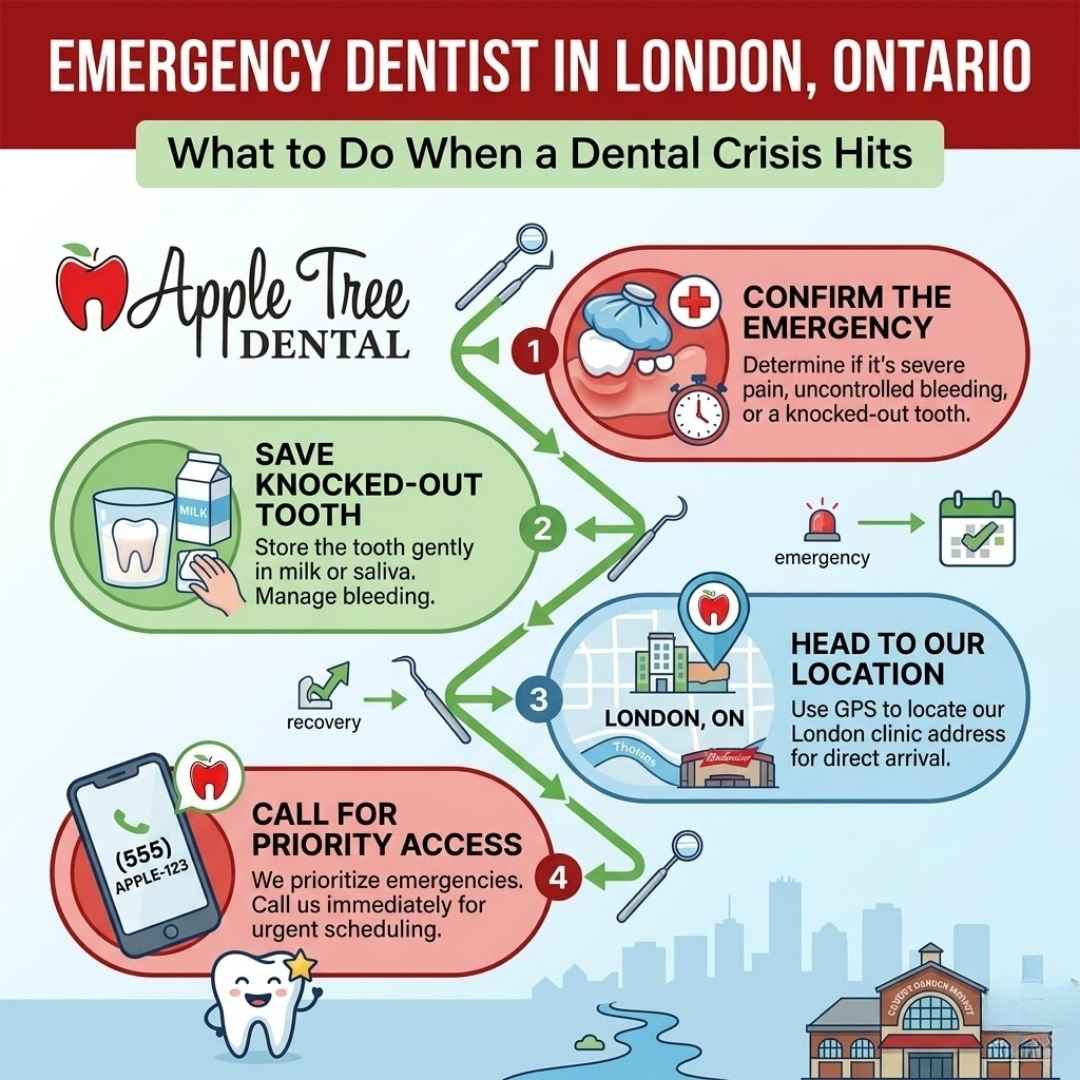
Emergency Dentist in London, Ontario: What to Do When a Dental Crisis Hits

A cracked tooth on a Sunday evening. A lost filling the night before a big meeting. Unbearable jaw pain that keeps you awake at 2 a.m. If you have been there, you already know — a dental emergency does not ask for permission, and it certainly does not wait for regular office hours. Knowing exactly where to turn, and what to do in those first critical minutes, can be the difference between saving a tooth and losing it for good.


What Counts as a Dental Emergency? (And What Can Wait)

Not every dental issue demands you drop everything and rush to a clinic — but some absolutely do. Understanding the difference protects both your health and your wallet.

According to the Canadian Dental Association, a dental emergency is any condition that causes severe pain, risk of infection, significant bleeding, or permanent damage if not treated promptly.

Situations That Require an Emergency Dentist Immediately

    • Severe, persistent toothache that worsens with pressure or temperature

    • A knocked-out (avulsed) tooth — time is critical; ideally treated within 30 minutes

    • A cracked or fractured tooth with sharp pain or visible nerve exposure

    • Dental abscess with swelling, fever, or difficulty swallowing — can become life-threatening

    • Broken dental appliance cutting into your gums or cheek tissue

    • Uncontrolled bleeding in the mouth following trauma or extraction

    • Lost crown or filling exposing a sensitive or decayed tooth

    • Facial swelling extending below the jaw or toward the neck (seek ER care immediately)

What is a dental emergency?


A dental emergency is any situation involving severe tooth pain, a knocked-out tooth, a dental abscess, uncontrolled bleeding, or a mouth injury that requires same-day treatment to prevent permanent damage or serious infection.

Issues That Are Urgent But Not Immediately Critical

    • Minor chips or cracks with no pain

    • A lost filling or crown with mild sensitivity

    • Dull, intermittent toothaches that come and go

If you are unsure whether your situation qualifies, call Apple Tree Dental at (519) 641-1411 or visit our Contact page. Phone lines are open 8 AM to 9 PM for exactly this purpose.


First Aid Steps to Take Before You Reach the Emergency Dental Clinic

These first-aid steps are aligned with guidelines from the Canadian Dental Association and Health Canada. They can limit damage and manage pain while you arrange your emergency appointment.

For a Knocked-Out Adult Tooth

    1. Pick the tooth up by the crown (white part) — never by the root.

    1. Rinse it gently with clean water if dirty — do not scrub or use soap.

    1. Try to reinsert it into the socket, or keep it moist in milk or inside your cheek.

    1. Get to an emergency dentist within 30 minutes for the best chance of saving the tooth.

See our detailed guide: What to Do If a Tooth Gets Knocked Out

For Severe Toothache

    • Rinse with warm salt water to reduce inflammation and clear debris

    • Take an over-the-counter pain reliever such as ibuprofen (if not contraindicated)

    • Avoid applying aspirin directly onto the gum tissue — it can cause chemical burns

    • Place a cold compress on your cheek to reduce swelling (20 minutes on, 20 minutes off)

For a Dental Abscess

Do not delay this one. A dental abscess is a bacterial infection that can spread to your jaw, neck, and — in severe cases — your bloodstream (sepsis). According to Health Canada, untreated oral infections can become systemic within 24–48 hours. Call Apple Tree Dental immediately. If swelling is moving toward your throat or you have difficulty breathing, go directly to the nearest hospital emergency room.

Learn more: Dental Abscess Treatment at Apple Tree Dental

For a Cracked or Fractured Tooth

    • Rinse your mouth with warm water

    • Apply a cold compress to minimize swelling

    • Avoid chewing on the affected side

Call Apple Tree Dental for a same-day assessment — cracks can worsen quickly and reach the nerve. Our team offers root canal therapy to save teeth that have been compromised by fractures.


How to Find an Emergency Dentist Near You in London, Ontario

Searching for a “walk-in dentist near me” or “dental emergency dentist near me” at 9 PM can feel overwhelming. Here is what most London residents do not realize: many dental clinics in the city offer after-hours and same-day appointments — you just need to know where to look.

When it comes to finding a trusted emergency dental clinic in London, ON, the key is identifying a practice that combines fast access with qualified, experienced care. Apple Tree Dental is one of the few emergency dental clinics in London, ON with two full-service locations, extended phone hours, and same-day appointment availability — all under one practice.

What to Look for in an Emergency Dental Clinic

    • Same-day or after-hours appointment availability

    • Accepts walk-in patients for urgent cases

    • Has on-site digital X-rays for fast, accurate diagnosis

    • Accepts major Canadian dental insurance plans, including CDCP

    • Extended phone hours — ideally past 5 PM

    • Bilingual team (an asset for non-English-speaking patients in London’s diverse community)

    • Two or more locations to reduce travel time during an emergency

Where can I find an after-hours emergency dentist in London Ontario?


Apple Tree Dental operates two locations in London, Ontario — one in North London (Beaverbrook Ave) and one in South London (Wonderland Rd) — and accepts phone calls from 8 AM to 9 PM to handle urgent and after-hours dental concerns.


Emergency Dental Care at Apple Tree Dental — London, Ontario

Apple Tree Dental has two conveniently located clinics across London, Ontario. Whether you are dealing with a cracked molar, a dental abscess, or a lost crown, our team is equipped to provide same-day emergency care at both locations. View all of our dental services or book an appointment online.

Two Convenient Locations Across London

North London: 1365 Beaverbrook Ave, Unit 102, London, ON N6H 0J1 | (519) 641-1411 | Calls: 9 AM – 8 PM | Book Online →


South London: 3429 Wonderland Rd S, Unit 6, London, ON N6L 0E3 | (226) 667-4600 | Calls: 9 AM – 6 PM | Book Online →

Emergency Dental Services Available at Apple Tree Dental

    • Same-day emergency appointments for urgent pain and trauma

    • Dental abscess diagnosis, drainage, and antibiotic management

    • Crown and bridge repairs — same-day assessments available

    • Laser dentistry for soft tissue and gum-related emergencies

    • Emergency denture and appliance repairs

CDCP Accepted — No Extra Fees for Eligible Patients


Apple Tree Dental accepts the Canada Dental Care Plan (CDCP) at both London locations with no additional fees for qualifying patients. Canadians with an adjusted family net income under $90,000 may be eligible. Check your eligibility at Canada.ca. Call ahead to confirm your coverage before your visit.


Why Londoners Choose Apple Tree Dental for Dental Emergencies

When you are searching for a “dental office near me” during a crisis, you need more than just a clinic that answers the phone. You need a team that is experienced, fast, and genuinely compassionate.

Bilingual Care — English and Arabic

London’s population is diverse, and language barriers during a dental emergency add unnecessary stress. Apple Tree Dental’s team communicates fluently in both English and Arabic, making emergency care more accessible for the large Arabic-speaking community in London and surrounding areas.

Extended Phone Hours — 8 AM to 9 PM

Most dental clinics in London wrap up calls by 5 PM. Apple Tree Dental accepts phone calls from 8 AM to 9 PM, giving patients a reliable line when after-hours dental concerns arise. Call our North London clinic at (519) 641-1411 or our South London clinic at (226) 667-4600.

Two Strategic Locations Across London

With a North London clinic near Beaverbrook Ave and a South London clinic on Wonderland Road, Apple Tree Dental covers a broad geographic area — reducing travel time when every minute counts. Patients in Strathroy, St. Thomas, Byron, and surrounding communities benefit from easy access to both locations.

Advanced Diagnostic Technology for Faster Treatment

Digital X-rays, laser dentistry, and in-house sedation mean your emergency can be assessed and treated more efficiently. Less waiting. Less guesswork. Faster relief. Accurate imaging helps the dentist diagnose the root cause — not just the symptom.

CDCP Provider — Reducing Financial Barriers to Emergency Care

As a CDCP-accepting clinic, Apple Tree Dental ensures that eligible patients receive the care they need without unexpected fees. The Canada Dental Care Plan covers a wide range of dental procedures for qualifying Canadians. Learn more about CDCP coverage at Apple Tree Dental.

Experienced, Compassionate Emergency Dental Team

Apple Tree Dental’s dentists are fully licensed with the Royal College of Dental Surgeons of Ontario (RCDSO). Our team, led by Dr. Nagham Altalib, is trained to handle urgent cases with speed and empathy — whether you are a long-term patient or visiting for the first time. Read what our patients say on our Reviews page — we are proud of our 4.9/5 Google rating from over 200 verified patients.


Dental Emergencies and the Canadian Healthcare System: What You Need to Know

Many Canadians are surprised to learn that dental care is largely separate from the provincial health system. Unlike a visit to a walk-in medical clinic, dental emergencies are almost never covered by OHIP in Ontario — unless the procedure takes place in a hospital setting. You can confirm what OHIP covers at the Ontario Ministry of Health website.

This is precisely why having access to a walk-in dental clinic in London that accepts insurance plans — including the CDCP — is so important for Ontario residents. The gap in public dental coverage means that having a reliable private dental clinic relationship is one of the most practical steps you can take for your long-term health and financial wellbeing.

Ontario Residents — Know Your Coverage


OHIP does not cover routine or emergency dental procedures performed in a private dental office. The Canada Dental Care Plan (CDCP) — launched by the federal government — covers eligible Canadians with an adjusted family net income under $90,000. Check eligibility at Canada.ca. Apple Tree Dental accepts CDCP at both London locations with no extra fees for qualifying patients. For more on what is and is not covered under provincial dental benefits in Ontario, the Ontario Dental Association (ODA) offers a helpful overview at oda.ca.


How to Prevent Dental Emergencies Before They Happen

Prevention is always the best strategy. According to the Canadian Dental Association, most dental emergencies result from untreated decay, missed cleanings, or minor damage left unaddressed. Regular visits to your dentist are the single most effective way to avoid a painful and costly emergency.

Practical Prevention Tips for Canadian Patients

    • Wear a custom-fitted mouthguard if you play contact sports — generic guards offer far less protection

    • Avoid using your teeth as tools to open packaging, bottles, or blister packs

    • Address tooth sensitivity early — it is often a sign of underlying decay or a cracked filling

    • Replace old, weakened fillings before they crack under normal chewing pressure

    • Stay hydrated — chronic dry mouth dramatically increases the risk of decay and gum disease

    • If you grind your teeth at night (bruxism), ask your dentist about a custom nightguard

    • Limit acidic foods and beverages that erode enamel over time

Patients who visit Apple Tree Dental regularly for check-ups and cleanings are far less likely to experience sudden, painful emergencies. Book your next preventive appointment today.


Frequently Asked Questions: Emergency Dentist in London, Ontario

What should I do if I have a dental emergency after hours in London, Ontario?

Call Apple Tree Dental as soon as possible. Phone lines are open 8 AM to 9 PM. North location: (519) 641-1411 | South location: (226) 667-4600. If you are experiencing a medical emergency such as difficulty breathing due to a swollen abscess, go directly to the nearest hospital emergency department.

Is there a walk-in dentist near me in London, Ontario for emergencies?

Apple Tree Dental accommodates urgent and walk-in patients at both its North and South London locations. It is always recommended to call ahead so the team can prepare for your arrival and minimize wait time.

Does Apple Tree Dental accept the Canada Dental Care Plan (CDCP)?

Yes. Apple Tree Dental is a CDCP-accepting clinic at both locations, with no extra fees for insured patients. Patients with an adjusted family net income under $90,000 may be eligible. Check your CDCP eligibility at Canada.ca.

How much does emergency dental care cost in London, Ontario?

The cost of emergency dental care in London, Ontario varies depending on the treatment required. A same-day examination and X-rays typically range from $100–$250. Additional procedures such as a root canal, extraction, or crown repair are priced separately. Patients covered under the Canada Dental Care Plan (CDCP) may have little to no out-of-pocket cost for eligible procedures. Apple Tree Dental will always discuss your treatment options and estimated costs transparently before proceeding. Learn more about payment options.

How do I know if my toothache is a dental emergency?

If your toothache is severe, throbbing, or accompanied by swelling, fever, or has lasted more than 24–48 hours, treat it as a dental emergency. The Ontario Dental Association notes that persistent dental pain can indicate an infection requiring urgent care. Call a dental clinic right away — do not wait to see if it resolves on its own.

Can a knocked-out tooth be saved?

Yes, in many cases — but time is critical. If you can get to an emergency dentist within 30 minutes of the tooth being knocked out, and the tooth has been stored properly (in milk, saline, or inside the cheek), there is a good chance it can be successfully re-implanted. Do not delay — call Apple Tree Dental immediately.

What if I do not have dental insurance for my emergency?

Apple Tree Dental works with a range of payment options and insurance plans. The team will discuss your treatment options and costs transparently before proceeding. Do not let cost concerns prevent you from seeking care — untreated dental problems almost always become more expensive over time. Learn more about payment options.

Are emergency dental services available on weekends in London, Ontario?

Apple Tree Dental is open on select Saturdays (twice monthly at the North location). Call ahead at (519) 641-1411 to confirm weekend availability or visit appletreedental.ca for the latest schedule.

How quickly can I be seen for a dental emergency at Apple Tree Dental?

Apple Tree Dental prioritizes same-day appointments for dental emergencies. When you call, let the team know you are experiencing an urgent issue. Book online or call your nearest location for the fastest response.


 Dental Emergency in London, Ontario? Don’t Wait.


Call Apple Tree Dental now — same-day emergency appointments available at both locations.


North London: (519) 641-1411 | South London: (226) 667-4600


The Bottom Line: Your Emergency Dentist in London, Ontario

Dental emergencies are stressful, painful, and rarely convenient. But knowing what to do, where to go, and who to call can dramatically improve your outcome — and reduce the anxiety that comes with an unexpected dental crisis.

If you are in London, Ontario and need an emergency dentist right now, Apple Tree Dental is ready to help. With two locations across the city, extended phone hours until 9 PM, bilingual English and Arabic staff, CDCP acceptance, and a team of RCDSO-registered dentists led by Dr. Nagham Altalib experienced in urgent dental care, Apple Tree Dental remains one of London’s most trusted emergency dental clinics for residents across North London, South London, Strathroy, St. Thomas, and surrounding communities.

Do not let a dental emergency go unaddressed. The sooner you call, the better your outcome.

North London: (519) 641-1411 | South London: (226) 667-4600 | appletreedental.ca


About the Author

Written by Dr. Nagham Altalib, DDS, NDEB Certified — Founder & Principal Dentist, Apple Tree Dental


Dr. Nagham Altalib is the founder and principal dentist at Apple Tree Dental, registered with the Royal College of Dental Surgeons of Ontario (RCDSO). She graduated from the dental program at Baghdad University in 1998 and has over 25 years of clinical experience across Iraq, the UAE, and Canada.


After completing her internship, Dr. Altalib practiced at a prosthodontics-specialized academic centre in Baghdad before relocating to Dubai in 2007, where she joined the DHCC European University team for Implants and Orthodontics and contributed to a research project on diagnosing orthodontic needs in children across Dubai. In 2010, she moved to Canada, earned her NDEB certification, and chose London, Ontario as her home — founding Apple Tree Dental after several years as an associate dentist.


Her areas of clinical expertise include Orthodontics, Prosthodontics, Cosmetic Dentistry, Dental Implants, and Sedation Dentistry. Known for her patience and warmth — particularly with children and anxious patients — Dr. Altalib is also fluent in both English and Arabic, helping serve London’s diverse communities with greater accessibility and care.


All clinical content authored or reviewed by Dr. Altalib aligns with protocols from the Canadian Dental Association (CDA) and Health Canada.


Last reviewed: March 2026 | Next review due: September 2026


Learn more about Dr. Altalib and the Apple Tree Dental team →


Related Articles & Resources

Family Dental in London, Ontario: Why One Clinic Simplifies Your Care

Managing oral health shouldn’t feel complicated. Yet many families still juggle separate providers for children, adults, and seniors — leading to fragmented records, repeated paperwork, and scheduling stress. Choosing a family dental clinic offers a smarter, more streamlined approach. For households in London, Ontario, this model delivers convenience, continuity, and preventive-focused care under one roof.

Whether you’re looking for a dental family dentist, comparing options for family dental care, or exploring eligibility under Canada dental care, understanding how a family clinic simplifies treatment can help you make confident long-term decisions.


What Does “Family Dental” Really Mean?

A family dental care clinic treats patients at every life stage:

  • Young children
  • Teens
  • Adults
  • Seniors

Instead of referring you elsewhere for age-specific needs, a family dentist provides comprehensive preventive, restorative, and diagnostic services for the entire household.

Typical services include:

✔ Dental exams & professional cleanings
✔ Pediatric dentistry
✔ Fillings & crowns
✔ Gum care
✔ Teeth whitening
✔ Emergency dental care


1. Centralized Records = Smarter Preventive Care

When your whole family visits the same clinic, your dental history stays connected. This continuity allows a Canadian dentist to detect patterns that influence long-term oral health.

Examples:

  • Genetic cavity susceptibility
  • Shared bite or alignment concerns
  • Family-linked gum conditions

With centralized records, treatment planning becomes more precise — and prevention becomes proactive instead of reactive.


2. Easier Scheduling for Busy London Families

Life moves quickly in London, Ontario. Between work, school, and activities, coordinating multiple clinics can become exhausting.

A family dental clinic allows:

✔ Back-to-back appointments
✔ Multiple family members in one visit
✔ Fewer trips across the city

This efficiency often means fewer missed checkups and better consistency in family dental care routines.


3. Reduced Anxiety — Especially for Children

Children feel more comfortable in familiar environments. Seeing the same dentist as parents or siblings can normalize visits and reduce fear.

Benefits include:

  • Recognizable staff
  • Predictable setting
  • Gradual trust building

Over time, dental care becomes part of regular wellness — not a stressful event.


4. Prevention That Protects Your Budget

Preventive dentistry is significantly more affordable than restorative treatment. Family clinics emphasize:

✔ Routine exams
✔ Professional cleanings
✔ Fluoride & sealants
✔ Early cavity detection
✔ Oral hygiene coaching

This approach aligns closely with the objectives of Canada dental care programs, which aim to improve access to preventive services.

If you’ve searched CDCP dentist near me, many family clinics in London support eligible patients. Confirming coverage directly with your provider ensures clarity.


5. Care That Evolves With Every Life Stage

Dental needs change over time:

Age GroupCommon Needs
ChildrenGrowth monitoring, cavity prevention
TeensOrthodontic evaluation
AdultsRestorative & cosmetic care
SeniorsGum care, tooth replacement

A dental family dentist adapts treatment as your family grows — removing the need to switch providers repeatedly.


Why This Matters in London, Ontario

London’s expanding population includes young families, working professionals, and retirees — all with evolving dental priorities:

  • Convenience
  • Insurance compatibility
  • Preventive care
  • Emergency readiness

Choosing a local clinic ensures your dentist understands regional healthcare frameworks and patient expectations.


How to Choose the Right Family Dentist in London, Ontario

When evaluating a family dental clinic, consider:

✔ Comprehensive Services

Ensure care for toddlers through seniors.

✔ Preventive Philosophy

Prioritize clinics focused on education & early detection.

✔ Insurance & Program Support

Ask about employer plans and Canada dental care participation.

✔ Communication Style

A good family dentist explains options clearly and supports informed decisions.


Quick Voice Search Answer

Question: Why choose a family dental clinic in London, Ontario?
Answer: A family dental clinic simplifies care by offering centralized dental records, easier scheduling, preventive treatments, and age-inclusive services for children, adults, and seniors.


The Long-Term Advantage of Family Dental Care

Consistency matters in oral health. A connected care model improves:

✔ Early detection
✔ Preventive outcomes
✔ Patient comfort
✔ Treatment efficiency

For families in London, Ontario, choosing a clinic designed for everyone can significantly reduce complexity while improving overall dental wellness.


Internal Care Pathways You May Explore

  • Preventive Dentistry
  • Children’s Dentistry
  • Teeth Whitening
  • Emergency Dental Care

Example contextual anchor:

Preventive visits help avoid major treatments. Learn how our family dental care services support long-term oral health before small issues become larger concerns.


External Health Context

For broader medical insights related to oral-systemic health, patients sometimes consult resources like Canada Doctor for general educational reading.


Conclusion

A family dental clinic is more than a convenience — it’s a continuity-driven healthcare decision. By centralizing care, simplifying scheduling, and emphasizing prevention, families benefit from a smoother, more predictable dental experience.

For residents of London, Ontario, selecting a clinic equipped to treat every generation means:

✔ Less stress
✔ Better prevention
✔ Stronger relationships with your dentist
✔ Smarter long-term outcomes


People Also Ask

Is a family dentist suitable for young children?

Yes. Family dentists are trained to treat children and monitor early oral development.

Can parents and children book appointments together?

Most family dental care clinics offer coordinated scheduling for convenience.

Does Canada dental care apply at family clinics?

Many clinics accept eligible coverage. Always verify participation before booking.

How often should families see a dentist?

Generally every six months, though frequency may vary based on oral health needs.

What’s the difference between a family dentist and a specialist?

Family dentists provide broad care across ages, while specialists focus on specific treatments.


Medically Reviewed by Dr. Nagham Altalib
Apple Tree Dental – Family Dentist in London, Ontario


Frequently Asked Questions

What services are included in family dental care?

Family dental care typically covers exams, cleanings, pediatric dentistry, fillings, crowns, gum treatments, whitening, and emergency care.

At what age should my child first visit a dentist?

Ideally by age one or within six months of the first tooth eruption.

Is visiting a family dentist cost-effective?

Yes. Preventive-focused family dentistry can reduce expensive restorative procedures.

How do I find a CDCP dentist near me in London, Ontario?

Contact local clinics directly to confirm eligibility and participation.

Can adults receive cosmetic treatments at a family dental clinic?

Most clinics provide cosmetic options such as teeth whitening and smile enhancements.

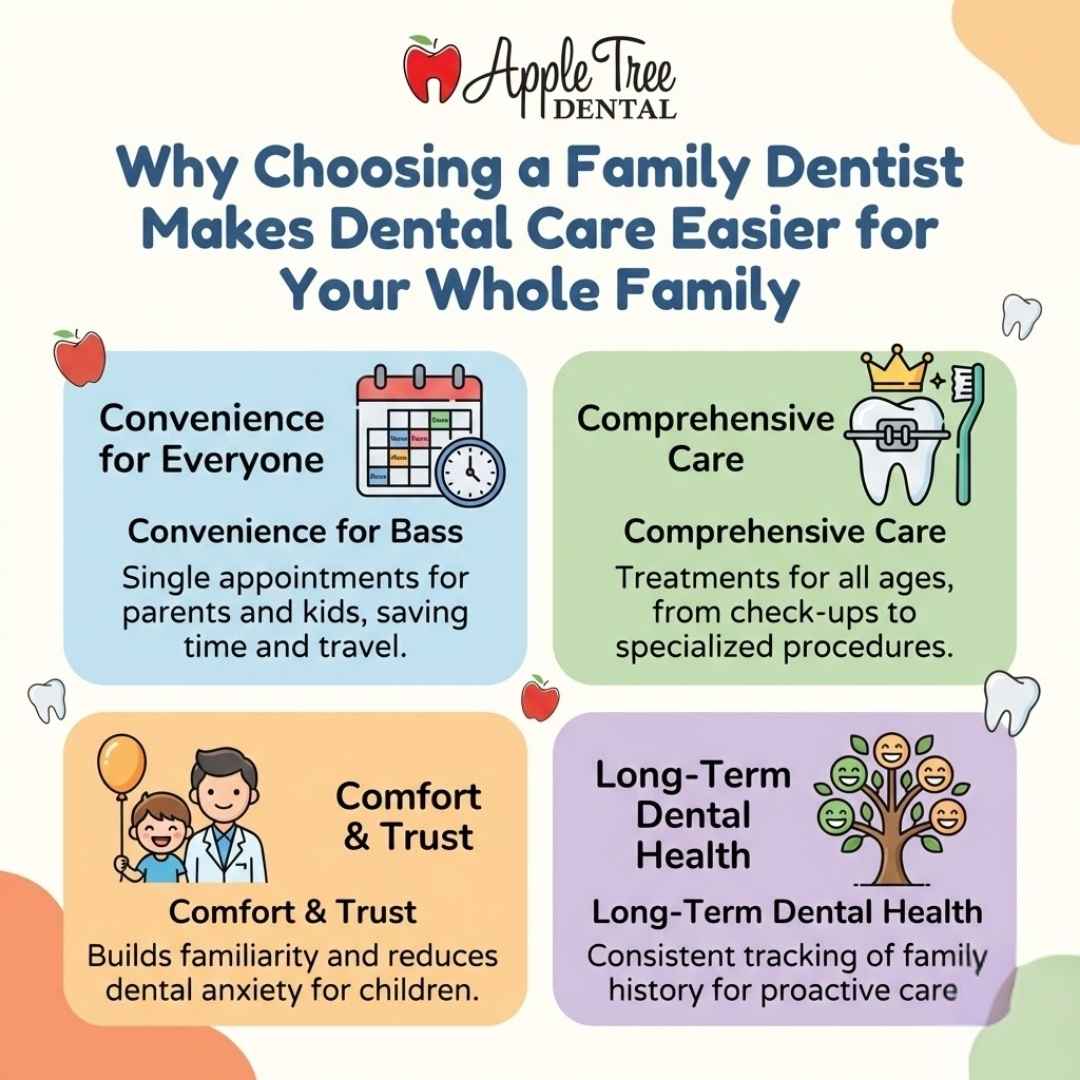
Why Choosing a Family Dentist Makes Dental Care Easier for Your Whole Family

Maintaining good oral health is essential at every stage of life. From a child’s first tooth to adult preventive care and senior dental support, oral needs continue to change. This is why choosing a family dentist plays a major role in making dental care simpler, more organized, and more effective for the entire household.

A family dentist provides complete dental services for children, adults, and seniors under one trusted dental home. Instead of visiting different clinics for each family member, families can rely on one dental team that understands their history, habits, and long-term oral health goals.


What Is a Family Dentist?

A family dentist is trained to treat patients of all age groups. They focus on preventive care, early diagnosis, and long-term dental health planning.

Unlike clinics that specialize in only pediatric or adult dentistry, a family dentist supports oral health throughout every life stage — creating continuity of care and long-term trust.

This approach improves both comfort and treatment accuracy.


One Dental Clinic for the Entire Family

One of the biggest advantages of choosing a family dentist is convenience.

With one clinic managing all dental needs, families can easily coordinate:

This reduces appointment stress and keeps all dental records in one secure system.


Long-Term Dental History Improves Care

A family dentist develops familiarity with your oral health over time. Because they track your dental history consistently, they can identify changes early — such as:

  • Developing cavities
  • Early gum inflammation
  • Bite alignment issues
  • Enamel wear

This long-term monitoring often helps prevent the need for advanced treatments like root canal therapy or tooth extractions later.


Comfortable Dental Visits for Children

Many children experience dental anxiety during early visits. A family dentist focuses on creating a calm and friendly environment that helps kids feel safe.

Early exposure helps children:

  • Build confidence during appointments
  • Learn proper brushing and flossing habits
  • Avoid fear associated with dental care

As a result, children are more likely to maintain healthy habits into adulthood.


Preventive Dental Care for Lifelong Oral Health

Preventive dentistry is the foundation of family dental care. Regular visits help protect teeth before problems begin.

Common preventive services include:

  • Dental examinations
  • Professional teeth cleanings
  • Fluoride treatments
  • Dental sealants for children

Preventive care significantly lowers the risk of cavities and gum disease while supporting overall health.


Comprehensive Dental Services Under One Roof

A trusted family dentist typically offers a wide range of services, including:

  • Tooth-colored fillings
  • Dental crowns and bridges
  • Gum disease treatment
  • Smile restoration solutions

When care is provided in one clinic, treatment planning becomes faster and more efficient.

Patients don’t need referrals for routine dental procedures, which saves time and reduces confusion.


Family Dentistry Supports Overall Health

Oral health is directly connected to overall wellness. Research from trusted organizations such as the American Dental Association and the World Health Organization shows that poor oral hygiene can contribute to serious health issues.

These may include:

  • Heart disease
  • Diabetes complications
  • Chronic inflammation
  • Oral infections

Routine dental visits help detect early warning signs before they affect general health.


Education That Benefits the Whole Family

A family dentist plays a key educational role by guiding patients on:

  • Correct brushing techniques
  • Daily flossing routines
  • Healthy diet choices
  • Preventing tooth decay

This education empowers families to maintain strong oral hygiene at home between appointments.


Saves Time for Busy Families

Modern families juggle work, school, and daily responsibilities. Having one family dentist simplifies scheduling and reduces unnecessary travel between clinics.

Many practices allow:

  • Back-to-back family appointments
  • Flexible scheduling
  • Consistent follow-ups

This makes it easier to stay consistent with dental care.


Builds Trust Through Familiar Relationships

When families see the same dentist regularly, trust naturally develops. Patients feel more comfortable asking questions and understanding treatment options.

Children especially benefit from seeing familiar faces, which lowers anxiety and increases cooperation during visits.

This long-term relationship strengthens patient confidence and satisfaction.


How to Choose the Right Family Dentist

When selecting a family dentist, consider:

  • Experience treating all age groups
  • Availability of preventive and restorative services
  • Clear communication and transparency
  • Comfortable clinic environment
  • Strong online reviews and reputation

Choosing the right provider ensures long-term oral health stability.


Importance of Regular Dental Visits

Most family dentists recommend visits every six months. These routine appointments help:

  • Remove plaque and tartar
  • Detect dental problems early
  • Maintain healthy gums
  • Reduce emergency dental visits

Consistency is the key to preventing costly treatments later.


Final Thoughts

Choosing a family dentist simplifies dental care while improving long-term oral health for every family member.

With preventive care, education, and continuous monitoring under one dental home, families benefit from convenience, comfort, and peace of mind.

From early childhood through adulthood and beyond, family dentistry provides the structure needed to maintain healthy, confident smiles for life.


Frequently Asked Questions

What services does a family dentist provide?

A family dentist offers preventive, restorative, and routine dental care for patients of all ages.

Is a family dentist suitable for children?

Yes, family dentists are trained to provide gentle, age-appropriate dental care for kids.

How often should families visit a family dentist?

Most families should visit every six months unless advised otherwise.

Can adults and seniors visit the same family dentist?

Yes, family dentists treat children, adults, and seniors in one clinic.

Why is family dentistry important?

It ensures consistent care, early detection, and long-term oral health management.

Emergency Dental Clinic Delivering Rapid Relief From Tooth Pain & Oral Trauma

Dental emergencies can happen suddenly—severe tooth pain, swelling, broken teeth, or oral injuries often require immediate professional care. Visiting an emergency dental clinic helps relieve pain quickly, stop infections from spreading, and protect your long-term oral health.

For patients in London, Ontario, timely emergency dental care can prevent minor issues from becoming serious complications.


What Is an Emergency Dental Clinic?

An emergency dental clinic is designed to treat urgent dental problems that cannot wait for a routine appointment. These clinics focus on:

  • Immediate pain relief
  • Controlling dental infections
  • Stabilizing damaged teeth and gums
  • Preventing long-term oral and overall health risks

Emergency dental care typically prioritizes same-day treatment, especially when pain, swelling, or trauma is involved.


Common Dental Emergencies That Need Immediate Care

You should contact an emergency dental clinic if you experience any of the following:

Severe Tooth Pain

Persistent or sharp pain may indicate deep decay or infection. In many cases, this pain is treated through procedures such as root canal therapy to remove infection and save the natural tooth.

Broken, Chipped, or Cracked Teeth

Dental trauma or biting accidents can weaken a tooth. Depending on the damage, treatment may involve dental crowns to restore strength or emergency tooth extraction if the tooth cannot be saved.

Swelling, Abscess, or Infection

Facial swelling or gum abscesses are signs of serious infection. Left untreated, these infections can spread beyond the mouth and should be addressed immediately by an emergency dentist.

Dental Trauma or Injury

Falls, sports injuries, or accidents can damage teeth, gums, or jaws. Children are especially prone to dental injuries and often require emergency pediatric dental care to protect developing teeth.

Knocked-Out Tooth

A knocked-out tooth is one of the most urgent dental emergencies. Acting quickly and visiting an emergency dental clinic immediately can sometimes allow the tooth to be successfully reimplanted.


Why Immediate Emergency Dental Treatment Matters

Delaying treatment at an emergency dental clinic can result in:

  • Increased pain and swelling
  • Spread of infection to surrounding tissues
  • Tooth loss
  • More complex and costly dental procedures

Early intervention focuses on stabilizing the problem first, followed by long-term restorative care if needed.


What to Expect During an Emergency Dental Visit

At an emergency dental clinic, you can expect:

  1. A rapid evaluation of pain, swelling, or trauma
  2. Diagnostic imaging such as X-rays when required
  3. Immediate treatment to relieve pain or control infection
  4. A clear treatment plan for follow-up care

The primary goal is fast relief, followed by protecting your oral health.


Emergency Dental Care in London, Ontario

Patients looking for urgent dental treatment in London can rely on Apple Tree Dental, which provides professional emergency dental services for tooth pain, infections, and dental injuries. Their team focuses on prompt diagnosis, effective pain relief, and patient comfort during stressful dental situations.


What to Do Before You Reach an Emergency Dental Clinic

If you’re waiting for emergency dental care:

  • Rinse your mouth gently with warm water
  • Apply a cold compress to reduce swelling
  • Avoid chewing on the affected side
  • If a tooth is knocked out, keep it moist and handle it by the crown only

These steps can help minimize damage until you receive professional treatment.


When Should You Visit an Emergency Dental Clinic?

Visit an emergency dental clinic right away if:

  • Pain is severe or worsening
  • There is swelling, bleeding, or pus
  • A tooth is broken, loose, or missing
  • You suspect a dental infection

If you’re unsure, it’s always safer to seek urgent dental evaluation.


Frequently Asked Questions (FAQs)

What is considered a dental emergency?

Severe pain, infection, swelling, trauma, or knocked-out teeth are all considered dental emergencies.

Can a toothache wait for a regular appointment?

Mild discomfort may wait, but intense or persistent pain should be treated at an emergency dental clinic.

Are emergency dental appointments available the same day?

Most emergency dental clinics aim to provide same-day or urgent appointments, especially for severe cases.

Is emergency dental treatment more expensive?

Prompt emergency treatment often prevents more complex and costly procedures later.

Conclusion

Dental emergencies should never be ignored, as delays can lead to increased pain, infection, and long-term oral health complications. Choosing a trusted emergency dental clinic ensures you receive immediate, professional care when tooth pain, trauma, or sudden dental problems occur.

For patients in London, Ontario, Apple Tree Dental provides timely emergency dental care focused on relieving discomfort, treating the underlying issue, and protecting your long-term oral health. If you are experiencing severe pain, swelling, or a dental injury, seeking prompt emergency dental treatment can make a significant difference in both comfort and outcomes.

How Long Does a Cleaning at the Dentist Take? Timeline, Process & FAQs

A dental cleaning at the dentist usually takes 30 to 60 minutes.
If it’s your first visit, the appointment may last 60–90 minutes. At Apple Tree Dental, most routine cleanings are completed within an hour, depending on your oral health and cleaning needs.

One of the most common questions patients ask before booking an appointment is: how long does a cleaning at the dentist take? Whether you’re visiting during a lunch break or scheduling your child’s checkup, knowing the timeline helps you plan your day with confidence.

At Apple Tree Dental in London, Ontario, professional dental cleanings are designed to be efficient, comfortable, and thorough—helping patients maintain healthy teeth and gums without unnecessary time in the chair.

This guide explains the complete dental cleaning timeline, what affects appointment length, and answers the most frequently asked questions.


Average Dental Cleaning Time (What Most Patients Experience)

Most patients can expect the following time ranges:

  • Routine dental cleaning: 30–60 minutes
  • First-time dental cleaning: 60–90 minutes
  • Children’s dental cleaning: 20–30 minutes
  • Deep cleaning (scaling & root planing): 1–2 hours (may require multiple visits)

Patients who visit Apple Tree Dental regularly often experience shorter, smoother appointments due to consistent preventive care.


Step-by-Step Dental Cleaning Timeline

Here’s how time is typically spent during a dental cleaning appointment:

1. Check-In & Oral Examination (5–10 minutes)

  • Review of dental and medical history
  • Examination of teeth and gums
  • X-rays if required (usually once a year)

2. Plaque & Tartar Removal (15–25 minutes)

  • Dental hygienist removes plaque and hardened tartar
  • More buildup means slightly more time
  • Mild scraping sensations are normal

3. Professional Teeth Polishing (5–10 minutes)

  • High-powered polishing tool
  • Removes surface stains from coffee, tea, or smoking
  • Leaves teeth smooth and clean

4. Flossing & Rinsing (3–5 minutes)

  • Professional flossing between teeth
  • Rinse to remove remaining debris

5. Fluoride Treatment (Optional – 3–5 minutes)

  • Strengthens tooth enamel
  • Often recommended for children and cavity-prone patients

6. Dentist’s Final Check (5 minutes)

  • Dentist reviews oral health
  • Discusses any concerns or follow-up care

⏱️ Total Time: 30–60 minutes


What Affects How Long a Dental Cleaning Takes?

Several factors influence appointment length:

Oral Health Condition

  • Heavy plaque or tartar buildup increases cleaning time
  • Gum disease may require deeper cleaning

Time Since Last Visit

  • Regular 6-month cleanings are quicker
  • Skipping visits can add extra time

Age of the Patient

  • Children’s cleanings are shorter
  • Adult cleanings are more detailed

Type of Dental Cleaning

  • Routine cleaning: 30–60 minutes
  • Deep cleaning: Longer, sometimes multiple visits
  • Periodontal maintenance: 45–60 minutes

How Long Does a First Dental Cleaning Take?

A first dental cleaning usually takes 60–90 minutes because it often includes:

  • Full-mouth X-rays
  • Gum health measurements
  • Comprehensive dental examination
  • Extra time for plaque and tartar removal

At Apple Tree Dental in London, Ontario, first visits are designed to be unhurried and informative, ensuring patients fully understand their oral health.


Dental Cleaning vs Deep Cleaning: Time Comparison

Type of CleaningAverage Duration
Routine dental cleaning30–60 minutes
First dental visit60–90 minutes
Deep cleaning (per quadrant)60–90 minutes
Child dental cleaning20–30 minutes
Dentist polishing teeth after cleaning

FAQs: How Long Does a Cleaning at the Dentist Take?

How long does a dental cleaning take without X-rays?

Usually 30–45 minutes, since imaging is skipped.

Is a dental cleaning 30 minutes or one hour?

Both are common. Most adults need 45–60 minutes.

Does dental cleaning take longer if you have sensitive teeth?

Sensitivity alone doesn’t increase time, but plaque buildup or gum inflammation can.

How much time should I plan for a dental cleaning appointment?

Plan about one hour, especially if it’s your first visit.

Can I go back to work after a dental cleaning?

Yes. Routine dental cleanings require no downtime.


Key Takeaway

So, how long does a cleaning at the dentist take?

For most patients, 30 to 60 minutes is all it takes to maintain a healthy smile.

Regular dental cleanings at Apple Tree Dental in London, Ontario help prevent cavities, gum disease, and more time-consuming treatments in the future.

Dental Implants vs Dentures: What’s Right for You?

Losing one or more teeth affects far more than your smile. It can change how you eat, speak, and feel about yourself. If you’re exploring dental implants vs dentures, you’re not alone—this is one of the most common questions dentists hear today.

At Apple Tree Dental, patients often ask: “Which option will feel more natural?” “Which lasts longer?”, and “What’s actually worth the investment?”
This guide is written to answer those questions clearly, honestly, and in depth—so you can make a confident, informed decision.


What Are Dental Implants?

Dental implants are permanent tooth replacements that consist of three parts:

  1. An implant post – a titanium screw placed into the jawbone
  2. Abutment – connects the implant to the crown
  3. Crown – the visible, natural-looking tooth

Once healed, implants function almost exactly like natural teeth.

A Brief History of Dental Implants

Modern dental implants date back to the 1950s, when researchers discovered that titanium bonds naturally with bone (a process called osseointegration). Since then, implant technology has advanced dramatically, with success rates now exceeding 95% for healthy patients.

“Dental implants are considered one of the most predictable procedures in modern dentistry when patients are properly assessed,” says Dr. Nagham Altalib.


What Are Dentures?

Dentures are removable prosthetic teeth designed to replace multiple missing teeth or full arches.

Types of Dentures

  • Full dentures – replace all teeth in the upper or lower jaw
  • Partial dentures – replace several missing teeth
  • Implant-supported dentures – dentures stabilized by implants

Dentures have been used for centuries and remain a common, accessible solution.

Background: How Dentures Have Evolved

Traditional dentures were often bulky and uncomfortable. Today’s dentures use lighter materials, improved aesthetics, and better customization—though they still rely on the gums for support.

Dental Implants vs Dentures

Dental Implants vs Dentures: Side-by-Side Comparison

1. Comfort & Feel

Dental Implants

  • Feel like natural teeth
  • No slipping or clicking
  • No pressure on gums

Dentures

  • May feel bulky
  • Can move while eating or speaking
  • Often require adhesives

Real-world scenario:
A patient in their 50s switched from lower dentures to implants because the denture kept lifting while talking. After implants, they reported feeling comfortable speaking in meetings again.


2. Chewing & Eating Ability

Implants

  • Restore nearly full biting force
  • Eat steak, apples, and nuts confidently

Dentures

  • Reduced chewing efficiency
  • Hard or sticky foods can be difficult

3. Bone Health & Facial Structure

Implants

  • Stimulate jawbone
  • Prevent bone loss
  • Help maintain facial shape

Dentures

  • Do not prevent bone loss
  • Over time, can lead to sunken facial appearance

This is one of the most critical long-term differences between dental implants vs dentures.


4. Longevity & Durability

Implants

  • Can last 20+ years, often a lifetime
  • Crowns may need replacement after 10–15 years

Dentures

  • Typically last 5–8 years
  • Require relining or replacement as bone changes

5. Maintenance & Daily Care

Implants

  • Brush and floss like natural teeth
  • No special cleaning products

Dentures

  • Must be removed daily
  • Require soaking and careful handling

6. Cost Considerations (Important Disclaimer)

Upfront costs for implants are higher, but long-term value is often better due to longevity and reduced maintenance.

Disclaimer: Costs vary depending on bone health, number of teeth replaced, and individual treatment needs. A dental exam is required for accurate pricing.


Who Is a Good Candidate for Dental Implants?

You may be suitable if you:

  • Have healthy gums
  • Have adequate jawbone (or are open to bone grafting)
  • Don’t smoke heavily
  • Can commit to oral hygiene

Age alone is not a limiting factor.


Who Might Be Better Suited for Dentures?

Dentures may be appropriate if you:

  • Want a lower upfront cost
  • Prefer a non-surgical option
  • Have medical conditions limiting surgery

Many patients start with dentures and later upgrade to implant-supported solutions.


Current Trends in Tooth Replacement

  • Implant-supported dentures are growing in popularity
  • Digital implant planning for precision placement
  • All-on-4® style treatments reduce treatment time
  • Greater focus on bone preservation and long-term oral health

The Future of Dental Implants vs Dentures

Looking ahead, expect:

  • Faster healing implant surfaces
  • Less invasive surgical techniques
  • More affordable implant solutions
  • Increased use of AI-guided treatment planning

Research continues to improve comfort, predictability, and accessibility.


Frequently Asked Questions

Are dental implants painful?

Most patients report mild discomfort, similar to a tooth extraction. Pain is typically manageable with over-the-counter medication.

How long does the implant process take?

From placement to final crown, the process can take 3–6 months, depending on healing and whether bone grafting is needed.

Can dentures be worn at night?

Dentists usually recommend removing dentures at night to allow gums to rest and reduce infection risk.

Do implants ever fail?

Failures are rare but can occur due to smoking, poor oral hygiene, or uncontrolled medical conditions.

Are dental implants safe?

Yes. Dental implants are supported by decades of clinical research and are widely used worldwide.


How to Decide: A Simple Framework

Ask yourself:

  1. Do I want a fixed or removable solution?
  2. Am I thinking short-term affordability or long-term value?
  3. How important are comfort, confidence, and bone health to me?

A personalized consultation is always the best next step.


Conclusion: Dental Implants vs Dentures—Which Is Right for You?

There’s no universal answer. Dental implants offer unmatched stability, comfort, and long-term oral health benefits. Dentures remain a practical, accessible solution for many patients.

At Apple Tree Dental, the goal isn’t to push one option—it’s to help you choose what truly fits your health, lifestyle, and goals.

How Long Does a Dental Cleaning Take?

If you’re wondering about dental cleaning duration or how much time to set aside for your teeth cleaning appointment, the answer depends on several factors including your oral health condition, the type of cleaning you need, and whether you require any additional procedures during your visit.

Understanding what happens during a dental cleaning and how long each step takes can help you plan your appointment and know what to expect when you visit your dentist.

What Affects the Length of Your Dental Cleaning?

Your Oral Health Condition

If you maintain good oral hygiene and have healthy gums, your cleaning will likely be on the shorter end of the spectrum. However, if you have significant plaque buildup, tartar deposits, or gum disease, your hygienist will need more time to thoroughly clean your teeth.

Type of Cleaning Needed

Regular prophylaxis cleanings are faster than deep cleanings. A standard cleaning for someone with healthy gums usually takes 30-45 minutes, while a deep cleaning for periodontal disease can take 1-2 hours or may even require multiple appointments.

Time Since Your Last Visit

If you’ve skipped dental cleanings for several years, expect your appointment to take longer. More buildup means more work for your dental hygienist to remove hardened tartar and plaque.

Additional Procedures

X-rays, fluoride treatments, or dental examinations add time to your visit. A comprehensive appointment including cleaning and exam typically takes 60-90 minutes total.

Breaking Down the Dental Cleaning Process

Initial Examination (5 Minutes)

Your dental hygienist begins by examining your mouth, checking for signs of gingivitis, cavities, or other oral health concerns. This quick visual inspection helps them plan the cleaning approach.

Plaque and Tartar Removal (15-30 Minutes)

This is the most time-intensive part. Using a scaler, your hygienist carefully removes plaque and tartar from around your gum line and between teeth. The more buildup present, the longer this step takes.

Deep Cleaning with Gritty Toothpaste (5-10 Minutes)

After scaling, your hygienist uses a high-powered electric brush with professional-grade toothpaste to deep clean and polish your teeth. This removes any remaining plaque and surface stains.

Professional Flossing (5 Minutes)

Even if you floss daily at home, professional flossing reaches deep between teeth and identifies any trouble spots that might bleed, indicating potential gum issues.

Rinsing (2-3 Minutes)

You’ll rinse your mouth to wash away any debris loosened during cleaning. This usually involves a rinse containing liquid fluoride.

Fluoride Treatment (3-5 Minutes, Optional)

Many dental offices offer fluoride treatment as the final step. A flavored gel or foam is applied to strengthen tooth enamel and protect against cavities.

How Long Do Different Types of Cleanings Take?

Regular Cleaning (Prophylaxis)

Duration: 30-45 minutes

This standard cleaning is for patients with generally healthy teeth and gums. It involves routine plaque and tartar removal above the gum line.

Deep Cleaning (Scaling and Root Planing)

Duration: 1-2 hours per session (often requires 2-4 appointments)

Deep cleaning treats gum disease by removing plaque and tartar below the gum line. Because it’s more intensive and may require local anesthesia, it takes significantly longer and is often split across multiple visits.

Periodontal Maintenance Cleaning

Duration: 45-60 minutes

For patients with a history of gum disease, these cleanings happen every 3-4 months and take slightly longer than regular cleanings because they involve more thorough work below the gum line.

Gross Debridement

Duration: 60-90 minutes

When someone hasn’t had a cleaning in many years, excessive buildup may require gross debridement before a regular cleaning can even be performed. This preliminary procedure removes large deposits of hardened tartar.

What Happens During a Full Dental Appointment?

While the cleaning itself takes 30-60 minutes, a complete dental appointment includes additional components:

Dental Examination: Your dentist examines your teeth, gums, and mouth for cavities, oral cancer, and other issues (10-15 minutes)

X-rays: Taken annually or as needed to detect problems not visible to the eye (10-15 minutes)

Treatment Discussion: Time to discuss findings and any recommended treatments (5-10 minutes)

Total Appointment Time: Expect to spend 60-90 minutes for a comprehensive visit including cleaning, exam, and x-rays.

Tips to Make Your Cleaning Faster

Maintain good oral hygiene between visits by brushing twice daily and flossing once a day. The less buildup your hygienist needs to remove, the faster your appointment will be.

Keep regular appointments every six months. Consistent care prevents heavy buildup that requires extended cleaning time.

Arrive on time and have your paperwork completed. Administrative delays can extend your total time at the office.

Communicate openly with your hygienist. Let them know if you experience discomfort so they can adjust their approach without prolonging the procedure unnecessarily.

When Should You Schedule Extra Time?

Plan for a longer appointment if you haven’t had a cleaning in over a year, have been diagnosed with gum disease, need extensive x-rays or other diagnostic procedures, or are a first-time patient at a new dental office (initial exams are more comprehensive).

How Often Should You Get Your Teeth Cleaned?

Most dental professionals recommend professional cleanings every six months for patients with healthy teeth and gums. However, those with gum disease, heavy plaque buildup, or other oral health issues may need cleanings every 3-4 months.

Regular cleanings not only keep your teeth looking their best but also prevent serious dental problems that could require costly and time-consuming treatments later.

What to Expect After Your Cleaning

Your teeth will feel noticeably smoother and cleaner immediately after your appointment. Some people experience mild sensitivity to hot or cold temperatures for a day or two, especially after deep cleanings.

Your gums might feel slightly tender or bleed a little when you brush for the first day after cleaning, particularly if you had significant tartar buildup. This should resolve quickly with proper home care.

Making the Most of Your Dental Cleaning Appointment

A dental cleaning is a quick, relatively comfortable procedure that plays a vital role in maintaining your oral health. Most people find that 30-60 minutes twice a year is a small investment for preventing cavities, gum disease, and more serious dental problems.

Schedule your next cleaning today to keep your smile healthy and bright. Remember that consistent preventive care is always easier, faster, and less expensive than treating dental problems after they develop.

Frequently Asked Questions About Dental Cleanings

How long does a deep cleaning take at the dentist?

A deep cleaning (scaling and root planing) typically takes 1-2 hours per session. Since it involves cleaning below the gum line and may require numbing, most dentists split the procedure into 2-4 appointments, treating one section of your mouth at a time.

Is dental cleaning painful?

Most people experience little to no pain during a routine cleaning. You may feel some scraping sensations and minor discomfort, especially if you have sensitive teeth or gum inflammation. Deep cleanings can cause more discomfort, which is why dentists often use local anesthesia for these procedures.

How long does a routine teeth cleaning take?

A standard routine cleaning for someone with healthy teeth and gums takes approximately 30-45 minutes. This includes scaling, polishing, flossing, and rinsing. When combined with a dental exam and x-rays, the total appointment usually lasts 60-90 minutes.

Can I eat immediately after a dental cleaning?

Yes, you can typically eat right after a routine cleaning. However, if you received a fluoride treatment, your dentist may recommend waiting 30 minutes before eating or drinking. After a deep cleaning with anesthesia, wait until the numbness wears off to avoid accidentally biting your cheek or tongue.

Why does my dental cleaning take so long?

Your cleaning may take longer if you have excessive plaque and tartar buildup, haven’t had a cleaning in over a year, have gum disease requiring more thorough work, need a deep cleaning instead of routine cleaning, or require additional procedures like x-rays or periodontal measurements.

How often should I get my teeth professionally cleaned?

Most dentists recommend professional cleanings every six months for optimal oral health. However, if you have gum disease, diabetes, smoke, or have a history of heavy plaque buildup, your dentist may suggest more frequent cleanings every 3-4 months.

What’s the difference between a regular cleaning and a deep cleaning?

A regular cleaning (prophylaxis) removes plaque and tartar from above the gum line and is preventive maintenance for healthy mouths. A deep cleaning treats gum disease by cleaning below the gum line, smoothing root surfaces, and typically requires local anesthesia. Deep cleanings take much longer and cost more than routine cleanings.

Will my insurance cover dental cleanings?

Most dental insurance plans cover two routine cleanings per year at 100% with no out-of-pocket cost. Deep cleanings for gum disease treatment are usually covered at 50-80% after your deductible. Check with your specific insurance provider to understand your coverage.

How long should I wait between dental cleanings?

The standard recommendation is six months between cleanings for most people. This interval helps prevent plaque from hardening into tartar and catches dental problems early. Your dentist may adjust this timeline based on your individual oral health needs.

Do dental cleanings damage tooth enamel?

No, professional dental cleanings do not damage tooth enamel when performed correctly by a trained hygienist. The tools and techniques used are designed to remove plaque and tartar without harming your teeth. Regular cleanings actually protect your enamel by preventing decay and gum disease.


Schedule Your Dental Cleaning Today

Now that you know how long a dental cleaning takes and what to expect during your appointment, you’re ready to prioritize your oral health. Whether you need a routine 30-minute cleaning or a more comprehensive deep cleaning, professional dental care is essential for maintaining a healthy smile.

If you’re looking for quick, comfortable, and professional dental cleaning in London, Ontario, our experienced hygienists at Apple Tree Dental ensure a smooth, efficient experience from start to finish. We offer flexible scheduling, gentle care, and comprehensive cleanings tailored to your individual needs.

Contact us today to book your next dental cleaning appointment. We offer convenient online booking, extended hours, and same-day appointments to fit your busy schedule. Your healthier, brighter smile is just one appointment away!