
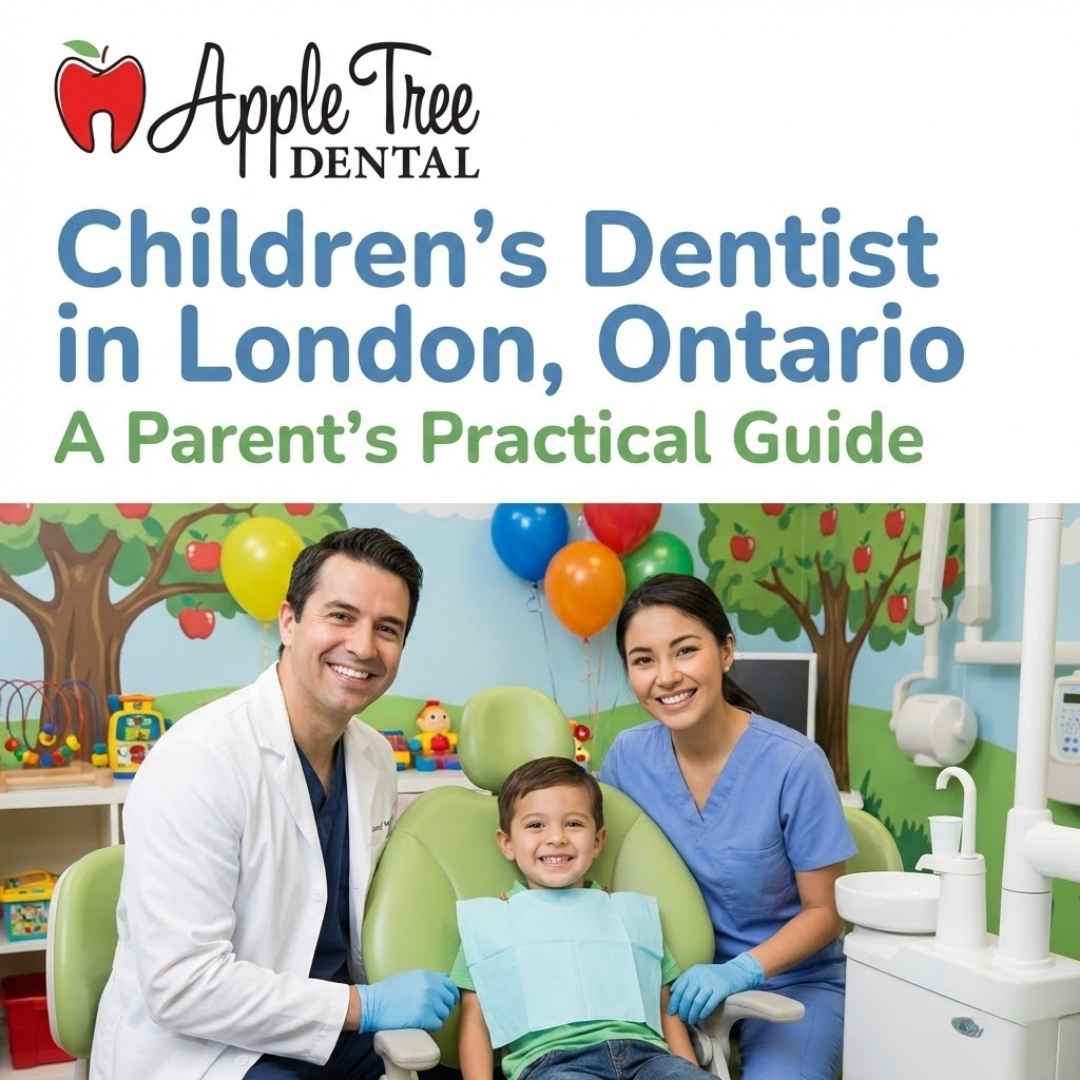
Choosing the right childrens dentist in London, Ontario can feel like a big decision. You want a clinic that understands children, communicates clearly, and makes visits feel safe rather than stressful. If you’ve recently searched for terms like childrens dentist near me, children dentist near me, or children’s dentist near me, you’re likely looking for care that balances clinical excellence with genuine patience.
This guide walks you through what pediatric dental care involves, how to recognize potential problems, and when to seek professional help.
Why Pediatric Dental Care Is Different
Childrens dentists receive focused training in:
- Growth and development of teeth and jaws
- Preventive dentistry for cavity-prone years
- Behavior guidance and anxiety reduction
- Early detection of alignment concerns
Professional organizations such as the American Dental Association (ADA) and the Canadian Dental Association (CDA) recommend a child’s first dental visit by age one or within six months of the first tooth eruption. Early visits are not just about teeth — they build comfort, familiarity, and preventive habits.
When Should You Visit a Children’s Dentist?
Parents often delay because their child “seems fine.” Preventive visits matter even when no symptoms are obvious.
Consider booking with childrens dentists near me if your child has:
- Tooth sensitivity or pain
- White, brown, or dark spots on teeth
- Bleeding gums
- Persistent bad breath
- Difficulty chewing
- Early tooth loss
- Thumb-sucking beyond early childhood
Routine six-month checkups remain the general guideline unless your dentist recommends otherwise.
Understanding Dental Pain in Children
Children may not describe discomfort clearly. Observing pain location can offer helpful clues.
Front Teeth Pain
May be associated with:
- Minor trauma from falls
- Enamel wear
- Gum irritation
Back Teeth Pain
Often linked to:
- Cavities in molars
- Food trapping
- Erupting permanent teeth
Gum Pain
May indicate:
- Teething inflammation
- Gingivitis
- Local irritation
Jaw or Ear-Area Discomfort
Possible causes:
- Teeth grinding (bruxism)
- Bite pressure
- Referred pain
Pain that persists, worsens, or interferes with eating deserves evaluation by a children dentist near me.
Step-by-Step Solutions: What To Do
When your child complains of tooth pain:
1. Stay Calm
Your reaction shapes your child’s response.
2. Gently Inspect
Look for swelling, redness, visible debris, or injury.
3. Rinse With Lukewarm Water
Helps clear trapped food particles.
4. Apply a Cold Compress (If Swollen)
Use externally for 10–15 minutes.
5. Schedule a Dental Visit Promptly
Searching for a children’s dentist near me can help you act quickly.
6. Continue Gentle Brushing
Avoid skipping oral hygiene around sensitive teeth.
What NOT To Do
Avoid common mistakes that may worsen discomfort:
- Do not place aspirin directly on gums
- Avoid ignoring recurring pain
- Do not delay professional evaluation
- Avoid adult-strength medications without guidance
- Do not rely solely on internet searches
Emotional Reassurance for Parents
If your child fears the dentist, you’re not alone. Dental anxiety is extremely common in children. Many parents worry about tears, resistance, or negative experiences.
Modern pediatric-focused clinics use:
- Child-friendly communication
- Gradual exposure techniques
- Positive reinforcement
- Calm, supportive environments
A compassionate children’s dentist near me understands both the clinical and emotional sides of pediatric care.
“When NOT to Google”
Stop researching and seek immediate dental care if your child has:
- Facial swelling
- Fever with dental pain
- A knocked-out or broken tooth
- Bleeding that doesn’t stop
- Severe or escalating pain
- Signs of infection (pus, unusual discharge)
These situations may require urgent treatment.
Recovery Timeline: What Parents Can Expect
Mild Sensitivity or Irritation
Often improves within days after cleaning or fluoride treatment.
Cavities
Typically treated with fillings. Most children resume normal activities the same day.
Dental Injuries
Healing depends on severity. Follow-up visits are important.
Untreated Dental Problems
Possible complications:
- Infection
- Increased pain
- Difficulty eating
- Effects on permanent teeth
Early care usually means simpler, more comfortable treatment.
Common Pediatric Dental Treatments
Understanding treatments reduces fear and uncertainty.
Dental Fillings
Repair teeth affected by cavities and stop decay progression.
Fluoride Treatments
Strengthen enamel and help protect against decay.
Dental Sealants
Protect molars from food and bacteria buildup.
Space Maintainers
Preserve alignment when baby teeth are lost too early.
Guidelines from the ADA and CDA consistently emphasize prevention and early intervention.
Prevention: The Most Powerful Strategy
Healthy daily habits make a significant difference.
At-Home Care
- Brush twice daily using fluoride toothpaste
- Floss once teeth contact
- Limit sugary snacks and drinks
- Encourage water between meals
Professional Prevention
- Regular checkups
- Professional cleanings
- Fluoride applications
- Sealants when appropriate
Preventive care reduces the likelihood of pain and complex procedures.
Choosing the Right Children’s Dentist in London, Ontario
If you’re comparing childrens dentists or searching childrens dentist near me, consider:
- Experience with pediatric patients
- Calm, welcoming clinic environment
- Preventive care philosophy
- Clear communication style
- Emergency care availability
Families across London, Ontario often value clinics that combine gentle care with strong preventive focus.
Quick Answers for Voice Search
When should my child first see a dentist?
By age one or within six months of the first tooth eruption.
What if my child has tooth pain?
Rinse gently, observe symptoms, and schedule a dental visit.
Are baby tooth cavities serious?
Yes. Untreated decay can affect comfort and development.
Frequently Asked Questions
1. How do I know if my child needs a dentist visit?
Look for pain, sensitivity, visible spots, bleeding gums, chewing difficulty, or persistent bad breath.
2. How often should children see a dentist?
Most benefit from visits every six months unless advised otherwise.
3. Are dental X-rays safe for children?
Yes. Dentists use minimal radiation and only when clinically necessary. Digital imaging further reduces exposure.
4. What if my child is scared of the dentist?
Fear is normal. Pediatric dental teams use behavior guidance and positive reinforcement to build comfort.
5. Can untreated baby teeth affect adult teeth?
Yes. Decay or infection can influence eruption, alignment, and oral health.
Supporting Your Child’s Smile Starts Early
Positive early experiences shape lifelong attitudes toward oral health. If you’re searching for a childrens dentist near me, comparing childrens dentists near me, or looking for a gentle, prevention-focused clinic in London, ON, scheduling a visit can bring clarity and peace of mind.
Apple Tree Dental in London, Ontario provides child-centered care designed to help young patients feel calm, respected, and confident.
How This Article Was Created
This content is based on established pediatric dental principles and guidance from trusted authorities, including:
- American Dental Association (ADA)
- Canadian Dental Association (CDA)
- Preventive and pediatric dentistry best practices
No exaggerated claims or unverified statistics were included. The goal is to provide reliable, parent-friendly education grounded in clinical standards.