
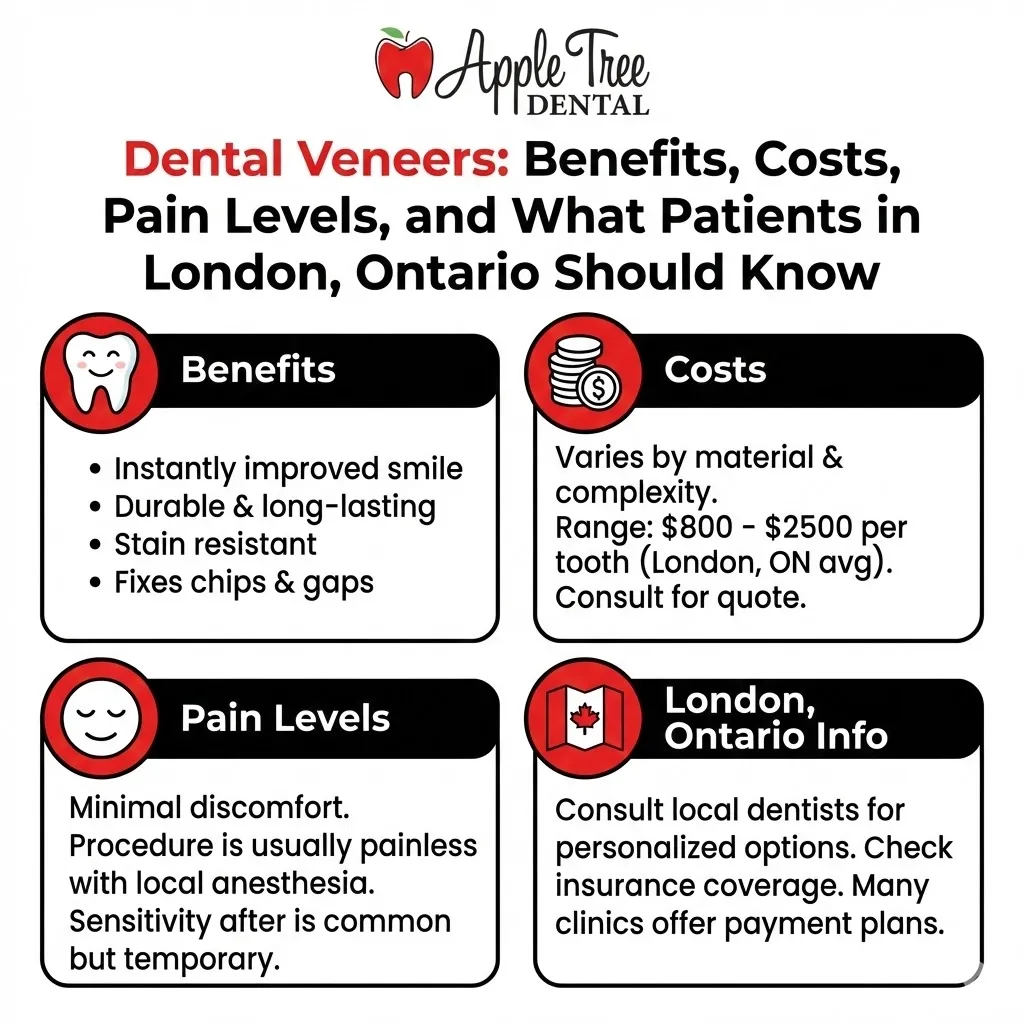
A smile often shapes confidence, social interactions, and self-image. When teeth appear chipped, stained, uneven, or worn, many individuals begin researching dental veneers as a cosmetic solution. Yet questions quickly follow: Are veneers painful? How long do they last? What is the cost of dental veneers?
This comprehensive guide explains veneers clearly and responsibly, using clinically grounded information to help patients make informed decisions.
What Are Dental Veneers?
Dental veneers are thin shells bonded to teeth to improve color, shape, and symmetry. The procedure is generally well tolerated with minimal discomfort.
Dentists may recommend veneers for:
- Discolored teeth resistant to whitening
- Minor chips or fractures
- Uneven or irregular tooth shapes
- Small gaps
- Mild alignment concerns
Well-designed dental veneers teeth mimic the translucency and texture of natural enamel.
Types of Dental Veneers
Porcelain Veneers
- Highly stain-resistant
- Natural light reflection
- Long-lasting with proper care
Composite Veneers
- More conservative preparation
- Lower initial cost
- Easier repairs
Material choice depends on aesthetic goals, bite forces, and budget considerations.
Dental Veneers Before and After: Realistic Expectations
Many patients search for dental veneers before and after examples. Veneers can dramatically enhance smile aesthetics, but outcomes vary based on:
- Existing enamel thickness
- Tooth alignment
- Gum symmetry
- Shade selection
- Functional bite balance
A responsible cosmetic plan improves appearance while preserving tooth health.
Cost of Veneers Dental: What Influences Pricing?
The cost of veneers dental treatment varies widely. Several factors influence final pricing:
- Veneer material (porcelain vs composite)
- Number of teeth treated
- Complexity of tooth preparation
- Laboratory craftsmanship
- Geographic location
When discussing the cost of dental veneers, ethical providers prioritize transparency and individualized assessment rather than generic estimates.
Patients in London, Ontario often consult clinics such as Apple Tree Dental to receive personalized evaluations based on oral health, goals, and long-term stability.
Are Dental Veneers Painful?
Pain concerns are common and valid. Veneer procedures are typically well tolerated, but understanding possible sensations reduces anxiety.
1. Normal Discomfort (Expected)
Mild sensitivity to temperature or pressure may occur after tooth preparation. This is usually temporary and manageable.
2. Inflammation (Requires Attention)
Gum tenderness, redness, or mild swelling may arise if tissues react to preparation or bonding margins.
3. Infection (Not Normal)
Persistent throbbing pain, swelling, or pressure indicates a potential complication requiring immediate evaluation.
Pain intensity generally decreases as healing progresses. Worsening pain should never be dismissed.
How Pain Intensity Changes Over Time
| Timeframe | Typical Sensation |
|---|---|
| First 24–72 hours | Mild sensitivity |
| First week | Gradual improvement |
| 2–3 weeks | Minimal to none |
| Persistent/severe pain | Needs dental exam |
Pain Locations and What They May Indicate
The location of discomfort provides important diagnostic clues:
- Sharp response to cold/heat → Temporary nerve irritation
- Gum soreness near veneer edges → Tissue inflammation
- Deep continuous ache → Possible pulp stress
- Pain while biting → Bite imbalance
- Jaw or muscle discomfort → Grinding or clenching
Only a clinical exam can confirm the cause.
How Long Does Freezing Last at the Dentist?
Patients frequently ask, “how long does freezing last dentist?”
Local anesthetic typically lasts:
- 1–2 hours for shorter-acting agents
- 3–4+ hours for longer-acting agents
Duration varies with medication type, dosage, and individual metabolism. Prolonged numbness should be reported.
Step-by-Step: What To Do After Veneer Placement
What To Do
1. Protect Sensitive Teeth
Use desensitizing toothpaste if recommended.
2. Maintain Excellent Hygiene
Brush twice daily with a soft-bristle brush. Floss carefully around veneers.
3. Attend Follow-Ups
Minor bite adjustments can prevent long-term discomfort.
4. Wear a Nightguard if Needed
Especially important for patients who grind or clench.
5. Monitor Symptoms
Report persistent sensitivity or pain early.
What NOT To Do
- Avoid biting hard objects (ice, pens, fingernails)
- Do not neglect gumline cleaning
- Avoid self-diagnosing severe pain
- Do not delay professional care
Emotional Reassurance: Addressing Patient Anxiety
Dental discomfort — or even the fear of it — can feel overwhelming. Cosmetic decisions carry both emotional and financial weight. Feeling uncertain or worried is completely normal. Patients are not “overthinking”; they are protecting their health.
Qualified dental professionals expect these concerns and encourage open dialogue.
When NOT to Google — Seek Immediate Dental Care
Stop reading and contact a dentist if you experience:
- Severe or escalating pain
- Swelling of gums or face
- Fever
- Persistent numbness
- Pain when chewing that worsens
- Veneer movement or detachment
Search engines cannot diagnose clinical complications.
Can Veneers Replace Missing Teeth?
Despite frequent searches for dental veneers for missing teeth, veneers cannot replace absent teeth. Veneers require existing tooth structure for bonding.
Appropriate solutions for missing teeth include:
- Dental implants
- Bridges
- Partial dentures
A dentist determines suitability through examination and imaging.
How Long Do Dental Veneers Last?
Longevity depends on material choice, oral hygiene, and bite forces.
Porcelain Veneers
Often last 10–15 years or longer with proper care.
Composite Veneers
May require earlier polishing or maintenance.
Factors affecting lifespan:
- Grinding/clenching habits
- Oral hygiene
- Diet
- Bite alignment
Are Dental Veneers Safe?
When planned and placed correctly, veneers are considered safe. However, they involve enamel reshaping, which is irreversible.
Clinical guidelines emphasize:
- Comprehensive oral exam
- Gum health evaluation
- Bite analysis
- Informed consent
Professional organizations such as the American Dental Association (ADA), Canadian Dental Association (CDA), and Health Canada stress individualized care.
Who Is a Good Candidate for Veneers?
Ideal candidates typically have:
- Healthy teeth and gums
- Adequate enamel
- No untreated decay
- Realistic expectations
Patients with significant alignment or bite issues may require orthodontic or restorative treatment first.
Risks Patients Should Understand
Although complications are uncommon, patients should be aware of:
- Temporary tooth sensitivity
- Gum irritation
- Bite discomfort
- Veneer chipping
- Rare nerve inflammation
Most concerns are manageable when addressed early.
Preventing Veneer-Related Problems
- Maintain excellent oral hygiene
- Avoid excessive biting force
- Wear protective appliances if advised
- Attend regular dental exams
- Address discomfort promptly
Preventive care significantly improves long-term success.
Choosing a Dental Veneer Provider in London, Ontario
When searching for dental veneers near me, patients should evaluate more than convenience.
Important considerations:
- Dentist’s cosmetic experience
- Diagnostic planning process
- Quality of materials
- Discussion of risks and alternatives
Clinics like Apple Tree Dental in London, Ontario focus on comprehensive evaluation before recommending cosmetic treatment.
Frequently Asked Questions
Do dental veneers damage natural teeth?
Veneers require enamel reshaping. Conservative preparation preserves tooth integrity while allowing secure bonding.
Are veneers permanent?
They are long-term restorations but may require replacement over time.
Is sensitivity normal after veneers?
Mild sensitivity may occur temporarily. Persistent or severe pain requires evaluation.
Can veneers stain?
Porcelain veneers resist staining better than composite materials.
How many veneers are needed?
This depends on smile design goals and tooth visibility.
Are veneers covered by insurance?
Coverage varies. Veneers are often classified as cosmetic.
How This Article Was Created
This article was developed using evidence-informed dental principles and restorative guidelines from credible professional bodies, including:
No fabricated statistics or exaggerated claims were used. The information reflects accepted clinical understanding of veneers, patient experiences, and risk considerations. Clinical decisions should always be based on an in-person dental examination by a qualified professional.
Final Thoughts
Dental veneers can produce remarkable cosmetic improvements when chosen appropriately. Success relies on careful planning, realistic expectations, and ongoing oral care. Patients considering veneers in London, Ontario benefit from professional evaluations that prioritize both aesthetics and long-term oral health.
A confident smile begins with informed decisions.