
Types of Dental Bridges and Which One Is Right for You

Dental bridges are prosthetic devices designed to replace missing teeth by bridging the gap between existing natural teeth or dental implants. They restore chewing function, improve speech, maintain facial structure, and enhance your smile’s appearance. Whether you’re seeking a dental bridge in London or elsewhere, understanding the different types of dental bridges and their specific applications helps you make an informed decision about the best tooth replacement option for your unique dental needs.


The Four Main Types of Dental Bridges

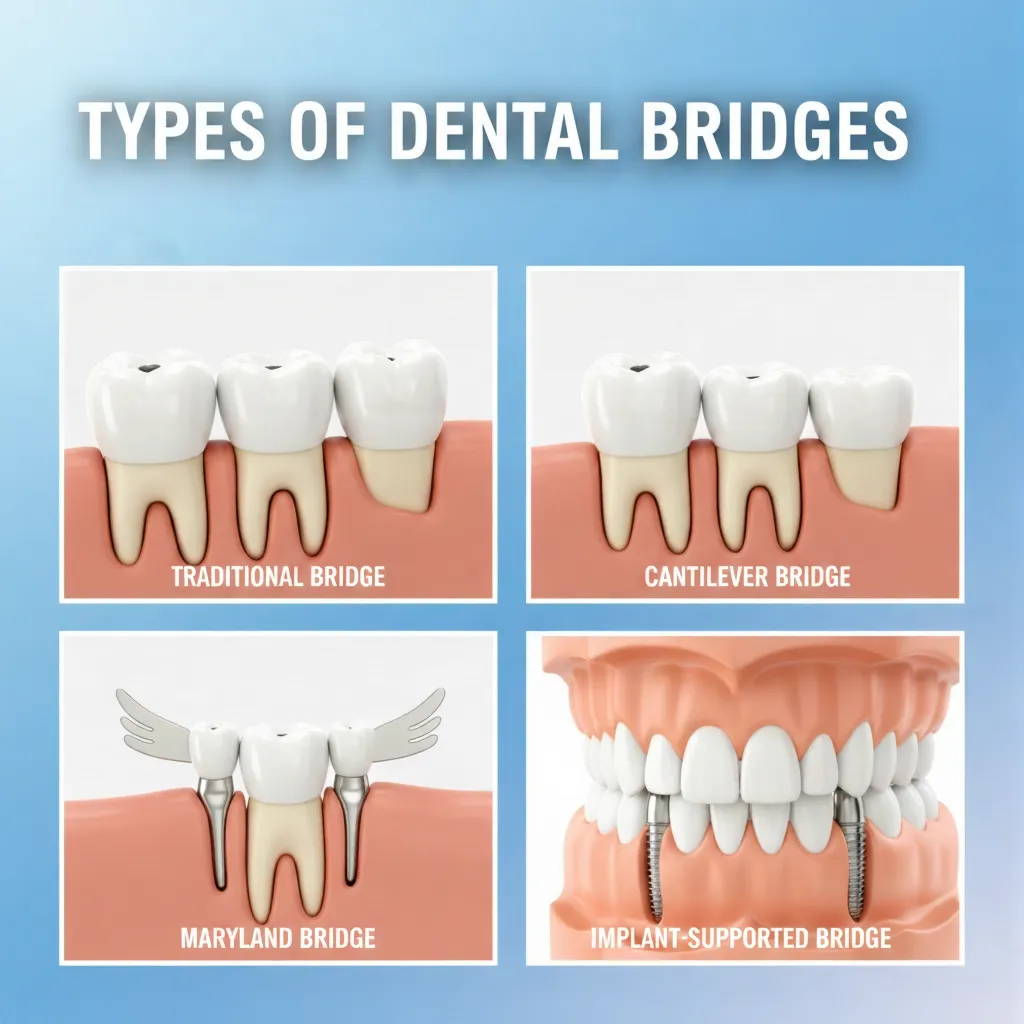
Traditional Fixed Bridge

Traditional dental bridges london are the most common type, consisting of one or more artificial teeth (pontics) held in place by dental crowns cemented onto the abutment teeth on either side of the gap. This design requires the natural teeth adjacent to the missing tooth to be reshaped to accommodate the crowns. Traditional bridges offer excellent durability and reliability, making them ideal for patients with strong adjacent teeth and multiple missing teeth. They typically last 10–15 years with proper care and are suitable for both front and back teeth replacements. Many dental clinics offering dental bridge treatments in London recommend traditional fixed bridges due to their proven effectiveness and longevity.

  • Best for: One or more missing teeth with strong adjacent teeth
  • Pros: Reliable, widely available, good longevity
  • Consider: Requires reshaping adjacent teeth

Cantilever Bridge

Cantilever bridges are similar to traditional bridges but are supported by a crown on only one abutment tooth rather than on both sides of the gap. This type is used when there’s only one natural tooth available adjacent to the gap. While cantilever bridges can be effective, they tend to be less strong than traditional bridges due to support from only one side. They work best for replacing teeth in areas with lower bite pressure and should be used with caution to avoid undue stress on the supporting tooth. Dental bridge specialists in London often use cantilever bridges for specific mouth areas where the false tooth needs support on only one side.

  • Best for: Gaps with only one adjacent natural tooth
  • Pros: Conservative when only one side available
  • Consider: Lower strength; limit to low-bite-pressure zones

Maryland (Resin-Bonded) Bridge

Maryland bridges consist of a pontic anchored to adjacent natural teeth using a metal or porcelain framework. The framework is bonded to the back of the adjacent teeth with minimal tooth preparation, preserving most natural structure. This conservative approach makes Maryland bridges an excellent choice for front teeth where aesthetics are paramount. They are cost-effective but may not be suitable for back teeth that experience heavy chewing forces.

  • Best for: Missing front teeth with good enamel
  • Pros: Minimal prep, highly aesthetic, budget-friendly
  • Consider: Not ideal for heavy bite forces

Implant-Supported Bridge

Implant-supported bridges use dental implants placed into the jawbone rather than relying on natural teeth for support. This option offers the most stable and long-lasting solution, with a typical lifespan of 15–30+ years. Ideal for multiple consecutive missing teeth, implant bridges help prevent bone loss by stimulating the jawbone and do not require altering adjacent healthy teeth. Leading providers in London recommend implant-supported solutions when there aren’t teeth on either side of the gap to support a traditional bridge.

  • Best for: Multiple adjacent missing teeth; long-term results
  • Pros: Preserves bone, spares adjacent teeth, superior longevity
  • Consider: Requires surgery and adequate bone; higher upfront cost

Materials Used in Dental Bridges

MaterialDurabilityAestheticsBest For
Zirconia10–15+ yearsNatural appearanceAll teeth positions; bruxism
Porcelain10–15 yearsExcellent aestheticsFront teeth; color matching
Porcelain-Fused-to-Metal (PFM)10–15 yearsGood appearanceBack teeth; cost-effective
Porcelain-Fused-to-Zirconia (PFZ)15+ yearsSuperior aestheticsBoth front and back teeth

Zirconia has emerged as the strongest and most durable bridge material in modern dentistry, offering exceptional fracture resistance and biocompatibility. Multi-layered zirconia bridges now mimic natural teeth with gradual color transitions and improved translucency. Porcelain remains popular for its natural tooth-like appearance and ability to match existing tooth color, though it’s slightly less durable than zirconia. Many clinics use ceramic materials matched to natural tooth shades for bridges that are visually indistinguishable from real teeth.


Choosing the Right Dental Bridge

  • Location: Front vs. back teeth and bite pressure
  • Condition of adjacent teeth: Strength and restorability
  • Jawbone health: Adequate density for implants; bone grafting if needed
  • Aesthetics & budget: Material and design selection
  • Bite alignment: Even force distribution to prevent damage

For patients with strong adjacent teeth, traditional bridges offer a straightforward, reliable solution. If you have missing front teeth and want to preserve natural structure, Maryland bridges provide excellent cosmetic results. When only one adjacent tooth is available, a cantilever bridge may be considered, though its limitations should be discussed with your dentist. Where long-term stability and bone preservation are priorities, implant-supported bridges are the gold standard.


Cost Considerations & Treatment Timeline

Typical Costs

  • India
    • Traditional bridges: ₹15,000–₹30,000 per unit
    • Cantilever bridges: ₹20,000–₹35,000
    • Maryland bridges: ₹12,000–₹25,000
    • Implant-supported bridges: ₹30,000–₹50,000 per unit (higher upfront, superior longevity)
  • London (UK)
    • Fixed (traditional) bridges: £250–£800 per unit
    • Bonded (Maryland) bridges: £250–£1,000
    • Implant-supported bridges: starting from £2,900+

Timeline (What to Expect)

  • Visits: 2–4 appointments over ~3 weeks
  • Steps: Diagnosis & planning → tooth preparation (if needed) → impressions/scan → try-in (if applicable) → final bridge cementation
  • Material impact: Zirconia typically costs more than PFM due to superior durability and aesthetics

Tip: Balance upfront cost with expected lifespan and maintenance to determine true long-term value.


Frequently Asked Questions

How long do dental bridges last?

Traditional and Maryland bridges typically last 10–15 years, while implant-supported bridges can last 15–30+ years with proper care and maintenance.

Are dental bridges painful to get?

Treatment is performed under local anesthesia, so you shouldn’t feel pain during the procedure. Mild sensitivity afterward is common and usually subsides within a few days.

Can I eat normally with a dental bridge?

Yes. Bridges restore chewing function. Avoid extremely hard or sticky foods that could damage the bridge.

Which is better: zirconia or porcelain bridges?

Zirconia offers superior strength and durability (10–15+ years), making it ideal for long-term use. Porcelain provides excellent aesthetics for front teeth.

Do I need to reshape adjacent healthy teeth?

Traditional and cantilever bridges require reshaping adjacent teeth. Maryland bridges need minimal preparation. Implant-supported bridges don’t affect adjacent teeth.

How much does a dental bridge cost in London?

Fixed bridges range from £250–£800 per unit, bonded bridges £250–£1,000, and implant-supported bridges start from £2,900 or more.


Aftercare & Maintenance

  • Brush twice daily and clean under the pontic with floss threaders or interdental brushes
  • Attend regular dental check-ups and professional cleanings
  • Wear a night guard if you grind your teeth (bruxism)
  • Avoid biting very hard objects (ice, hard candy)

Disclaimer: Costs are indicative, vary by clinic, material, and case complexity. Consult your dentist for a personalized treatment plan.
Need an Endodontist London? 7 Signs It’s Time to See a Specialist

You should see an endodontist in London if you have severe tooth pain, prolonged hot/cold sensitivity, swollen gums or an abscess, tooth discoloration, a cracked tooth, pain when chewing, or issues with a previous root canal. Endodontists are specialists in diagnosing and treating internal tooth problems and can often save teeth that might otherwise need extraction.

What Is an Endodontist?

An endodontist is a dental specialist trained to treat problems inside your tooth, especially the root canal system. After dental school, they complete 2–3 years of advanced specialist training focused on diagnosing tooth pain, performing root canal therapy, and saving natural teeth.

While a general dentist may perform 1–2 root canals per week, a London endodontist typically performs 25+, resulting in:

  • Higher success rates (90–95%)
  • Reduced treatment time
  • Greater comfort through advanced techniques and technology

According to the British Endodontic Society, specialist-performed root canal treatment significantly improves outcomes and patient comfort.

7 Critical Signs You Need an Endodontist in London

1) Severe, Persistent Tooth Pain

Constant, throbbing pain—especially pain that keeps you awake or worsens when lying down—is one of the clearest signs that the infection has reached the pulp (nerve). This requires immediate specialist care.

2) Prolonged Sensitivity to Hot or Cold

If sensitivity lasts longer than 30 seconds after exposure, you may have irreversible pulpitis, meaning the nerve is inflamed or dying. The British Endodontic Society identifies prolonged thermal sensitivity as one of the strongest signs that root canal treatment is needed.

3) Swollen, Tender Gums or a Dental Abscess

A gum boil, swelling, bad taste, or facial swelling often indicates a dental abscess. Abscesses do not heal on their own and can spread, requiring same-day emergency treatment by an endodontist london.

4) Tooth Discoloration

A tooth turning grey, brown, or dark yellow is often a sign of nerve damage. An endodontist can treat the underlying cause and often improve the tooth’s internal color through specialized therapy.

5) Cracked or Chipped Tooth

Even small cracks allow bacteria to enter the pulp. Many patients report ignoring a tiny chip only for pain to develop weeks later when infection sets in. Endodontists are trained to diagnose and treat cracked tooth syndrome accurately.

6) Pain When Chewing or Biting

Sharp pain upon biting may indicate nerve inflammation, a cracked root, or hidden infection. These conditions require specialist assessment.

7) A Previous Root Canal Is Failing

Root canals can fail due to new decay, missed anatomy, or fractures. London endodontists can perform retreatment using advanced equipment such as microscopes and 3D CBCT imaging.

Why Choose an Endodontist in London Over a General Dentist?

FactorGeneral DentistEndodontist London
Training4–5 years7–8 years including specialty training
Root Canals Per Week~225+
TechnologyStandardMicroscope, CBCT, ultrasonic instruments
Success Rate70–80%90–95%
Treatment TimeOften 2–3 visitsUsually 1 visit

Bottom line: Endodontists have the expertise and technology to save teeth that general dentists may consider for extraction.

What to Expect at Your First Visit

Consultation & Diagnosis (30–45 minutes)

  • Medical and dental history review
  • Digital X-rays or 3D CBCT scans
  • Vitality testing
  • Full assessment by the specialist

Treatment Planning

  • Diagnosis
  • Treatment options
  • Success rates
  • Costs
  • Risks of delaying treatment

Root Canal Treatment (60–90 minutes)

Modern treatment is comfortable and nearly painless due to local anesthesia, advanced rotary instruments, rubber dam isolation, and microscopic precision (25x magnification).

  1. Isolation with rubber dam
  2. Small opening to access pulp
  3. Removal of infected tissue
  4. Cleaning & disinfecting canals
  5. Sealing and restoring the tooth

Endodontic Care Across London

  • Harley Street & Marylebone – specialist clinics with premium services
  • Kensington, Chelsea, and Fulham – rapid access and modern facilities
  • Wimbledon, Richmond, Hampstead – family-friendly suburban practices
  • Canary Wharf & London Bridge – ideal for weekday emergency access

Many offer same-day appointments for emergencies and early-morning/late-evening availability.

How to Choose the Right Endodontist London

1) Verify Credentials

  • GDC specialist registration
  • Membership in the British Endodontic Society (BES)
  • Postgraduate training and case experience

2) Check Technology

  • CBCT 3D imaging
  • Surgical microscope
  • Digital radiography
  • Rotary and ultrasonic systems

3) Read Patient Reviews

  • Pain management
  • Emergency availability
  • Clear communication
  • Transparent pricing

4) Consider Location & Access

Central clinics may cost more but offer fast access. Suburban clinics often provide more affordable fees and easier parking.

5) Understand Costs in London

Typical fees for specialist treatment:

  • Consultation: £100–£200
  • Root canal (front tooth): £400–£800
  • Molar root canal: £800–£1,500
  • Retreatment: £1,000–£2,000

NHS (Band 2 = £73.50) offers low-cost care but often with long waiting lists and limited specialist options.

Cost Comparison: Save vs Extract

TreatmentCost
Extraction£100–£300
Dental implant£2,000–£3,000
Dental bridge£1,500–£2,500
Root canal (molar)£800–£1,500

What to Do Next

If It’s an Emergency

  • Contact an endodontist for a same-day appointment
  • Take ibuprofen + paracetamol (if medically suitable)
  • Avoid hot/cold foods
  • Do not wait—symptoms worsen quickly

For Non-Urgent Cases

  • Book a consultation within 1–2 weeks
  • Seek a second opinion before extraction
  • Check your insurance coverage
  • Prepare questions for your specialist

Frequently Asked Questions

1. Is a root canal painful?

No. With modern anesthesia, it feels similar to a filling.

2. How long does treatment take?

Most cases take 60–90 minutes in a single visit.

3. What is the success rate?

Specialist treatment has a 90–95% success rate.

4. Will I need a crown afterward?

Molars usually require a crown; your dentist will advise.

5. Can an infected tooth heal on its own?

No. Infection must be treated professionally.

6. Can endodontists treat cracked teeth?

Yes, they are trained to diagnose and manage cracks effectively.

7. What if my last root canal failed?

Retreatment or microsurgery can often save the tooth.

8. How soon can I see a London endodontist?

Many offer same-day emergency availability.

9. Are endodontists more expensive?

Upfront costs may be higher, but saving the tooth avoids costly implants or bridges.

10. Is CBCT imaging necessary?

For complex cases, CBCT offers essential 3D detail.

Conclusion: Your Natural Tooth Is Worth Saving

Early diagnosis and specialist treatment give you the best chance of saving your tooth. If you’re experiencing persistent pain, swelling, sensitivity, or any warning signs, contact a qualified endodontist in London today. Delaying treatment can lead to more complex issues, higher costs, and potential tooth loss.

Your natural teeth are irreplaceable—act now to protect them.

Cosmetic Dental London: Which Treatment Is Right for Your Smile?

A confident smile isn’t just about looks — it’s about how you feel every day. Across London, more people are turning to cosmetic dental treatments to enhance their natural appearance and restore self-esteem.

Whether you’re researching cosmetic dentistry London Ontario or comparing smile makeover options with a Cosmetic Dentist South London, this guide helps you discover which treatment best suits your smile, lifestyle, and budget.

What Is Cosmetic Dentistry?

Cosmetic dentistry focuses on improving the appearance and harmony of your teeth, gums, and bite. Unlike general dentistry, which focuses on health, cosmetic procedures blend function and beauty.

Modern cosmetic dentistry London clinics use digital scanning, laser systems, and advanced materials to create results that look natural and last for years.

Common goals include:

  • Whiter, brighter teeth
  • Improved symmetry and proportion
  • Straighter alignment
  • Repairing chips and cracks

Top Cosmetic Dental Treatments in London

1. Cosmetic Dentistry Teeth Whitening

Ideal for: Stains, yellowing, or dull enamel

Whitening is the most popular procedure offered by cosmetic dental London experts and cosmetic dentistry London Ontario clinics alike.

Options include:

  • In-office whitening using LED or laser light for instant brightness
  • At-home whitening kits designed by your dentist for gradual results

Pro Tip: Visit a certified Cosmetic Dentist South London who uses professional-grade whitening gels that minimize sensitivity and protect enamel.

2. Dental Veneers

Ideal for: Chipped, uneven, or discoloured teeth

Veneers are ultra-thin porcelain shells that cover the front of each tooth, creating a flawless, luminous look.

Why Londoners choose them:

  • Transform your smile in just two visits
  • Long-lasting (10–15 years)
  • Custom shade matching for natural results

Whether you’re in London or London Ontario, this is one of the most transformative cosmetic dentistry options available.

3. Invisalign & Clear Aligners

Ideal for: Mild to moderate misalignment

Today’s cosmetic dental London clinics use Invisalign to gently move teeth into place with clear, removable trays.

Benefits:

  • Virtually invisible aligners
  • Easier cleaning and eating
  • Predictable results with digital scans

A trusted Cosmetic Dentist South London will use 3D mapping to visualize your final smile before treatment begins.

4. Dental Bonding

Ideal for: Minor gaps, chips, or uneven edges

Bonding involves applying a tooth-coloured resin to improve shape and contour.

Advantages:

  • Fast (often done in one appointment)
  • Affordable
  • Natural-looking finish

This is a great entry point for patients new to cosmetic dentistry London Ontario who want visible results without extensive procedures.

5. Dental Implants

Ideal for: Missing or severely damaged teeth

Dental implants are the gold standard for permanent tooth replacement.

Why patients trust them:

  • Titanium posts fuse securely with bone
  • Prevent jawbone loss
  • Look, feel, and function like natural teeth

Top clinics in South London and London Ontario specialize in digital-guided implant placement for ultimate precision and comfort.

How to Choose the Right Cosmetic Dental Treatment

  1. Define Your Smile Goals: Do you want brighter teeth, straighter alignment, or a full makeover?
  2. Consult a Qualified Cosmetic Dentist in South London (or Your Local Area): Choose dentists with certifications in aesthetic or restorative dentistry.
  3. Compare Cost, Longevity & Maintenance: Whitening is quick and cost-effective; veneers and implants are long-term investments.
  4. Review Portfolios & Technology: Modern clinics for cosmetic dentistry London use digital smile design and AI imaging to show realistic before-and-after previews.

How to Find the Best Cosmetic Dentist South London or North London Ontario

When comparing clinics, focus on:

  • Experience: Years of cosmetic and restorative expertise
  • Technology: Digital scanners, 3D imaging, laser whitening
  • Transparency: Clear pricing and treatment timelines
  • Reputation: Verified patient reviews and smile portfolios

A reliable Cosmetic Dentist South London should offer a consultation to discuss your needs and map out a custom smile plan.

FAQs About Cosmetic Dentistry in London

1. How much does cosmetic dentistry cost in London or London, Ontario?

Prices vary by treatment: whitening £250–£500, veneers £700–£1,200 per tooth, Invisalign £2,500–£4,500, implants £2,000+.

2. Is cosmetic dentistry teeth whitening safe?

Yes — professional whitening performed by a qualified Cosmetic Dentist South London or cosmetic dentistry London Ontario clinic is enamel-safe and sensitivity-controlled.

3. Can I combine multiple treatments?

Absolutely. Many cosmetic dentistry London practices offer smile makeover packages combining veneers, whitening, and aligners.

4. How long do results last?

Whitening lasts 1–2 years, veneers up to 15 years, implants can last a lifetime with proper care.

5. Will my insurance cover it?

Most cosmetic procedures are elective, but partial coverage may apply if there’s a restorative benefit.


Final Thoughts

Whether you’re based in London, South London, or London Ontario, today’s cosmetic dental treatments offer stunning, natural-looking results tailored to your needs.

From teeth whitening to veneers or implants, the right treatment can completely transform your confidence and quality of life.

Schedule a smile consultation today and discover how modern cosmetic dentistry can bring out your best smile yet.