Are Dental Implants Painful? A Complete Guide for Patients in London, Ontario

If you’re asking “are dental implants painful?”, you’re already taking a smart step toward making an informed dental decision. This is one of the most searched questions by patients exploring tooth replacement options in London.

It’s completely normal to feel anxious about dental surgery. The good news is that modern dental implant treatment is far more comfortable than most people expect. With advanced anesthesia, careful planning, and experienced dental care, dental implants are designed to be safe, predictable, and well tolerated.


What Are Dental Implants? (Simple Explanation)

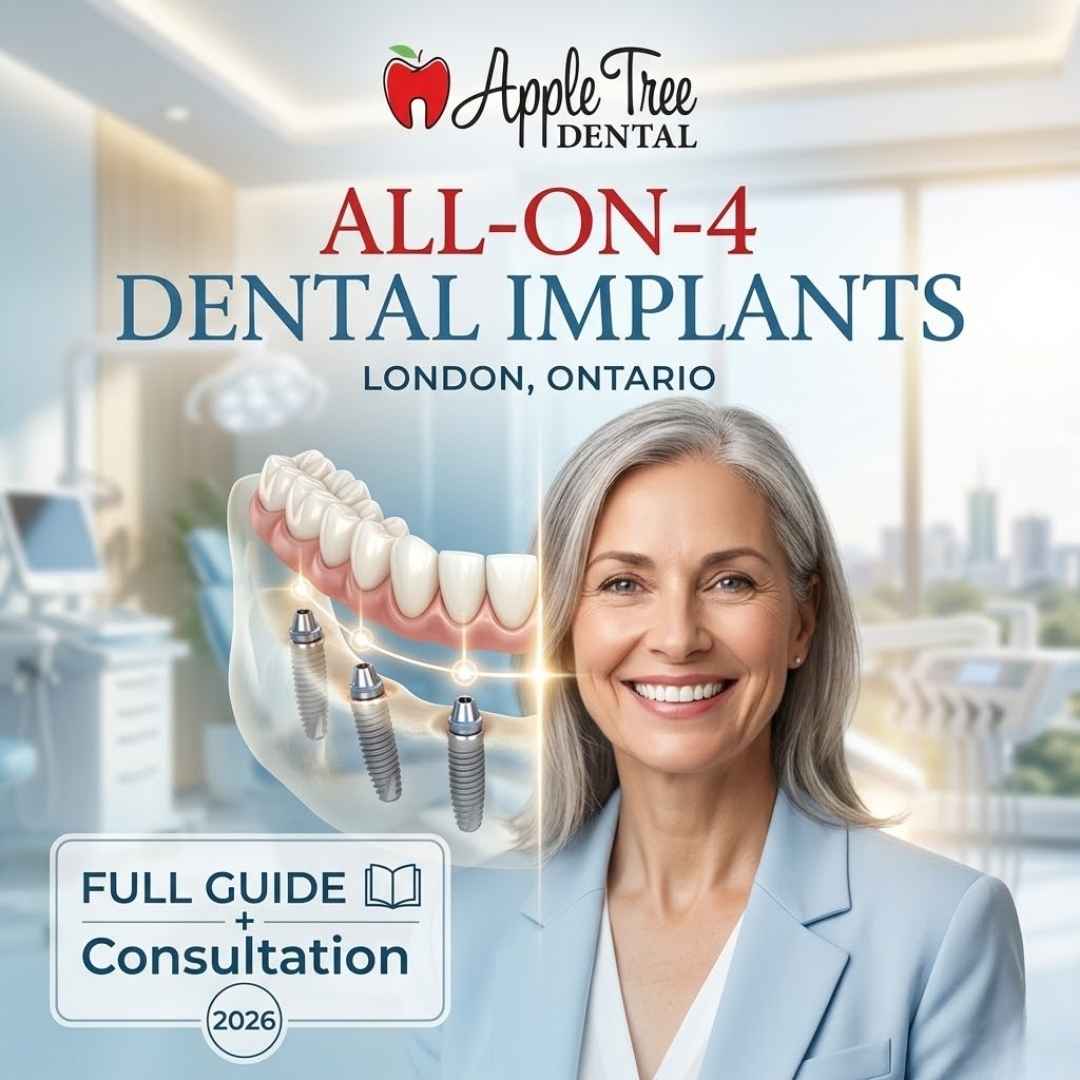
Dental implants are permanent replacements for missing teeth. They consist of a small, biocompatible titanium post that is placed into the jawbone, where it functions as an artificial tooth root. Over time, the implant bonds with the bone through a natural process called osseointegration.

Once healed, the implant supports a custom dental crown that looks, feels, and functions like a natural tooth.

Dental implants are commonly used to replace:

  • A single missing tooth
  • Multiple missing teeth
  • Teeth lost due to decay, injury, or gum disease

Because of their strength, stability, and comfort, implants are widely considered the gold standard in tooth replacement.


Are Dental Implants Painful During the Procedure?

No — dental implant surgery is not painful.

Before treatment begins, the area is completely numbed using local anesthesia. For patients who feel nervous, sedation options may also be available.

What most patients feel during implant placement:

  • Mild pressure
  • Gentle vibration
  • No sharp or intense pain

Many patients say the experience feels similar to or easier than getting a dental filling, and often less uncomfortable than a tooth extraction.


Is Dental Implant Surgery More Painful Than Tooth Extraction?

This is a very common concern for first-time implant patients.

According to clinical experience, dental implant placement is often less painful than extracting a severely damaged or infected tooth. Implant surgery is carefully planned, controlled, and minimally invasive, which supports smoother healing.


What Does Dental Implant Pain Feel Like After Surgery?

After the anesthesia wears off, mild discomfort is normal, but it is temporary and manageable.

Common post-surgery sensations include:

  • Mild swelling around the implant site
  • Jaw stiffness
  • Gum tenderness
  • Light bruising

Discomfort usually peaks within 24–48 hours and gradually improves over the next few days.

Most patients manage recovery comfortably with:

  • Over-the-counter pain relievers
  • Cold compresses
  • Soft foods

How Long Does Dental Implant Pain Last?

For most patients, recovery follows this timeline:

  • Days 1–3: Mild soreness and swelling
  • Days 3–5: Swelling reduces noticeably
  • 7–10 days: Comfortable daily function returns

Pain that worsens instead of improving is uncommon and should be evaluated by a dentist.


How Dentists Minimize Dental Implant Pain

At Apple Tree Dental, dental implant treatments are planned and performed with a strong focus on patient comfort.

Dr. Nagham Altalib, a licensed and NDEB-certified dentist, applies a gentle, patient-centered approach supported by modern technology and evidence-based techniques.

Pain is minimized through:

  • Digital imaging and precise treatment planning
  • Gentle, minimally invasive surgical techniques
  • Modern anesthesia protocols
  • Clear pre- and post-operative instructions

These steps help reduce inflammation, speed healing, and improve overall patient comfort.


Does Everyone Experience Dental Implant Pain the Same Way?

Pain levels can vary depending on:

  • Individual pain tolerance
  • Number of implants placed
  • Jawbone density
  • Whether bone grafting is required

That said, most patients describe dental implant discomfort as mild and manageable when proper techniques and aftercare are followed.


What If Bone Grafting Is Needed?

Some patients require bone grafting to strengthen the jaw before implant placement. While this may slightly extend healing time, discomfort is typically still mild.

Your dentist will clearly explain:

  • Why grafting is necessary
  • Expected healing time
  • How discomfort will be managed

This transparency helps reduce anxiety and build trust.


How to Reduce Dental Implant Pain at Home

Following aftercare instructions plays a major role in recovery.

Helpful tips include:

  • Taking recommended pain medication
  • Applying ice packs to reduce swelling
  • Avoiding smoking and alcohol
  • Eating soft foods
  • Keeping the area clean

These steps support faster healing and lower the risk of complications.


Are Dental Implants Painful Long-Term? (BOFU)

Once healing is complete, dental implants should not cause pain at all.

Many patients report that implants feel:

  • More natural than dentures
  • More stable than dental bridges
  • More comfortable for chewing and speaking

With proper oral hygiene and routine dental visits, dental implants can last 20 years or more without discomfort, according to established dental research and clinical guidelines.


Dental Implants vs Other Tooth Replacement Options

When comparing comfort and function:

  • Dentures: May rub against gums and cause sore spots
  • Dental bridges: Can place stress on neighboring teeth
  • Dental implants: Feel like natural teeth once healed

From both a comfort and long-term oral health perspective, implants are often the preferred solution.


When Should Dental Implant Pain Be a Concern?

Contact your dentist if you experience:

  • Severe or increasing pain
  • Signs of infection (fever, pus, swelling)
  • Implant movement or looseness

Early evaluation ensures small issues are addressed quickly.


Are Dental Implants Painful?

Dental implants are not as painful as many people fear.

With modern techniques, proper anesthesia, and experienced care from dentists like Dr. Nagham Altalib, the procedure is comfortable and recovery is usually mild. For patients in London, Ontario, dental implants offer a reliable, long-term solution for missing teeth.

Dental implants are not painful during surgery because the area is fully numbed. Most patients experience mild soreness for a few days. Once healed, dental implants feel natural and comfortable, with no ongoing pain.


Frequently Asked Questions

Are dental implants painful during surgery?
No. Local anesthesia prevents pain during the procedure.

How painful is recovery after dental implants?
Most patients experience mild discomfort for a few days.

Are dental implants more painful than tooth extraction?
Often no. Many patients find implant surgery easier than extraction.

Do dental implants hurt years later?
No. Once healed, dental implants should not cause pain.


Final Thoughts

If you’ve been wondering “are dental implants painful?”, the answer is reassuring: most patients experience far less discomfort than they expect. With modern anesthesia, careful planning, and gentle techniques, dental implant treatment is designed to be comfortable, predictable, and safe.

For patients in London, choosing experienced care makes a meaningful difference. Under the guidance of Dr. Nagham Altalib at Apple Tree Dental, dental implants are planned with a strong focus on comfort, long-term success, and patient confidence.

While mild soreness during recovery is normal, it’s temporary—and the benefits of dental implants, including improved chewing, natural appearance, and long-lasting results, can be life-changing. With the right information and expert care, fear of pain shouldn’t stand in the way of restoring your smile.

Medical Review :

This article has been reviewed by Dr. Nagham Altalib, a licensed, NDEB-certified dentist at Apple Tree Dental in London, Ontario, and reflects current standards in implant dentistry and patient care.

Teeth Whitening Dental Care: A Complete Guide to Safer, Brighter Smiles

A bright, white smile is often associated with confidence, good health, and positive first impressions. Over time, however, teeth naturally lose their brightness due to everyday habits, aging, and diet. This is where teeth whitening dental care plays an important role—offering a safe, effective, and professionally guided way to improve the appearance of your smile.

This comprehensive guide explains how teeth whitening works, why teeth become discolored, available treatment options, safety considerations, and what patients should know when seeking teeth whitening in London, Ontario.


What Is Teeth Whitening Dental Care?

Teeth whitening dental care refers to professional or dentist-supervised treatments designed to reduce stains and discoloration from natural teeth. These treatments use clinically approved whitening agents that penetrate the enamel safely while protecting gum tissue and tooth structure.

Unlike over-the-counter products, professional dental whitening focuses on:

  • Enamel safety
  • Even and natural-looking results
  • Reduced tooth sensitivity
  • Long-term oral health

Before whitening begins, dental professionals assess overall oral health, existing restorations, and sensitivity levels to ensure treatment is appropriate.


Why Do Teeth Become Discolored?

Understanding the cause of discoloration helps determine the most effective whitening approach.

Surface (Extrinsic) Stains

These stains form on the outer enamel and are commonly caused by:

  • Coffee and tea
  • Red wine
  • Tobacco use
  • Dark-colored foods

Deep (Intrinsic) Discoloration

These stains develop inside the tooth and may be caused by:

  • Natural aging
  • Certain medications
  • Tooth trauma
  • Excess fluoride exposure during childhood

Professional teeth whitening dental is designed to address both surface and deeper discoloration safely.


Teeth Whitening Options: Professional vs At-Home

Many people try at-home whitening products before considering professional care. While both options exist, the results and safety levels differ significantly.

At-Home Whitening Products

Common options include:

  • Whitening toothpaste
  • Whitening strips or gels
  • LED whitening kits

Limitations include:

  • Uneven whitening results
  • Increased risk of tooth sensitivity
  • Limited effectiveness on deep stains

Professional Teeth Whitening Dental Care

Professional whitening offers:

  • Customized treatment plans
  • Controlled-strength whitening agents
  • Protection for gums and enamel
  • Faster and longer-lasting results

Clinics such as Apple Tree Dental provide dentist-guided whitening that prioritizes patient safety while delivering visible improvements.


Benefits of Professional Teeth Whitening Dental Care

Choosing professional whitening comes with several advantages:

  • Noticeable improvement in fewer sessions
  • Lower risk of gum irritation
  • Safe enamel-friendly treatment
  • Even natural-looking brightness
  • Guidance on post-whitening maintenance

Professional dental care also ensures whitening does not interfere with existing treatments such as fillings or crowns.


Is Teeth Whitening Dental Care Safe?

When performed under professional supervision, teeth whitening dental care is considered safe for most adults. However, whitening may not be suitable for individuals with:

  • Untreated cavities
  • Active gum disease
  • Severe tooth sensitivity
  • Visible dental restorations

According to the Canadian Dental Association, professional teeth whitening performed under dental supervision is safe when proper guidelines are followed.
Health Canada also advises using dentist-approved products to reduce the risk of irritation or enamel damage.

A dental consultation helps determine whether whitening is appropriate for your oral health.


How Long Do Teeth Whitening Results Last?

Whitening results typically last between 6 months and 2 years, depending on:

  • Diet and beverage habits
  • Smoking or tobacco use
  • Oral hygiene routine
  • Frequency of professional dental cleaning services

Dentists may recommend maintenance plans or touch-up options to help preserve results.


Teeth Whitening in London, Ontario

Patients seeking teeth whitening in London, Ontario, benefit from professional evaluation, personalized treatment planning, and long-term oral health guidance. Local dental care allows for:

  • Customized cosmetic dental treatments
  • Ongoing preventive dental care
  • Easy access to routine dental checkups

Choosing a trusted local provider supports both smile aesthetics and overall dental wellness.


Tips to Maintain Whiter Teeth After Whitening

To extend the results of whitening:

  • Brush twice daily using gentle oral hygiene guidance from your dental team
  • Limit stain-causing foods and beverages
  • Rinse your mouth after coffee or wine
  • Schedule regular professional dental cleaning services

Consistency plays a major role in maintaining a brighter smile.


Quick Answer: Teeth Whitening Dental Care

Teeth whitening dental care is a professional dental treatment…

Frequently Asked Questions

Is teeth whitening dental care painful?

Most patients experience little to no discomfort. Temporary sensitivity may occur but usually resolves within a few days.

How many whitening sessions are needed?

Some people see results after one session, while others may need multiple treatments depending on the stain severity.

Can teeth whitening damage enamel?

No. When performed professionally, teeth whitening dental care does not damage enamel.

Does whitening work on yellow teeth?

Yes. Professional whitening is effective for yellowing caused by aging, diet, and lifestyle habits.

Are teeth whitening results permanent?

Results are not permanent, but good oral hygiene and routine dental care can help maintain brightness for a long time.


Final Thoughts

Teeth whitening dental care is a safe and effective way to enhance your smile while protecting long-term oral health. With professional evaluation, controlled treatments, and proper aftercare, patients can enjoy brighter teeth without unnecessary risks.

All teeth whitening treatments should be evaluated and guided by licensed dental professionals to ensure safety and lasting oral health benefits.

What Is a Dental Cap for Teeth? Complete Guide for Patients

Protecting your natural teeth is essential for long-term oral health. When a tooth becomes weakened due to decay, fracture, or dental treatment, restoring it early can prevent serious complications. One of the most trusted restorative solutions in modern dentistry is a dental cap for teeth.

For patients in London, Ontario, understanding how dental caps work can help you make confident treatment decisions. At Apple Tree Dental, patient education is considered a key part of delivering safe, comfortable, and evidence-based dental care.


What Is a Dental Cap for Teeth?

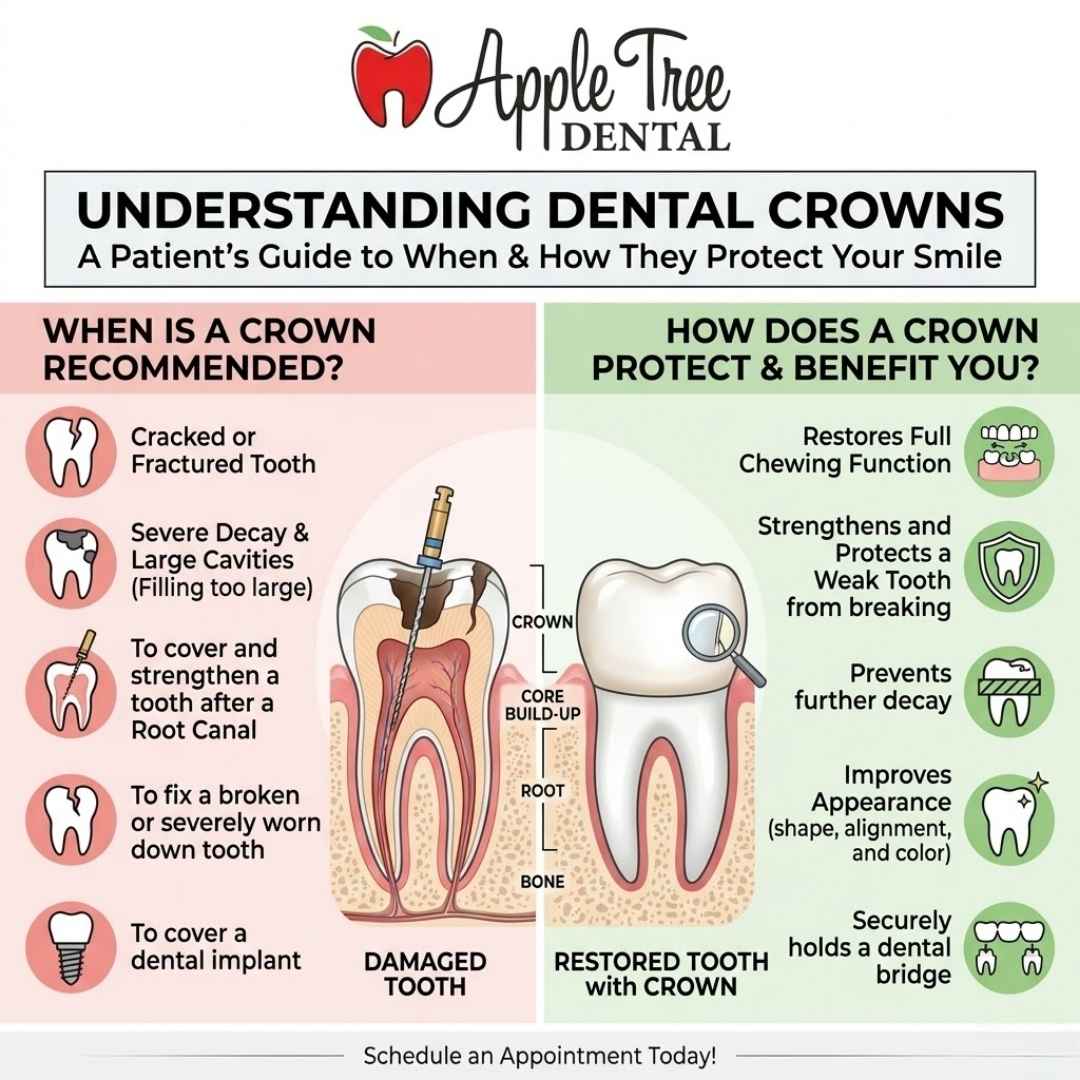
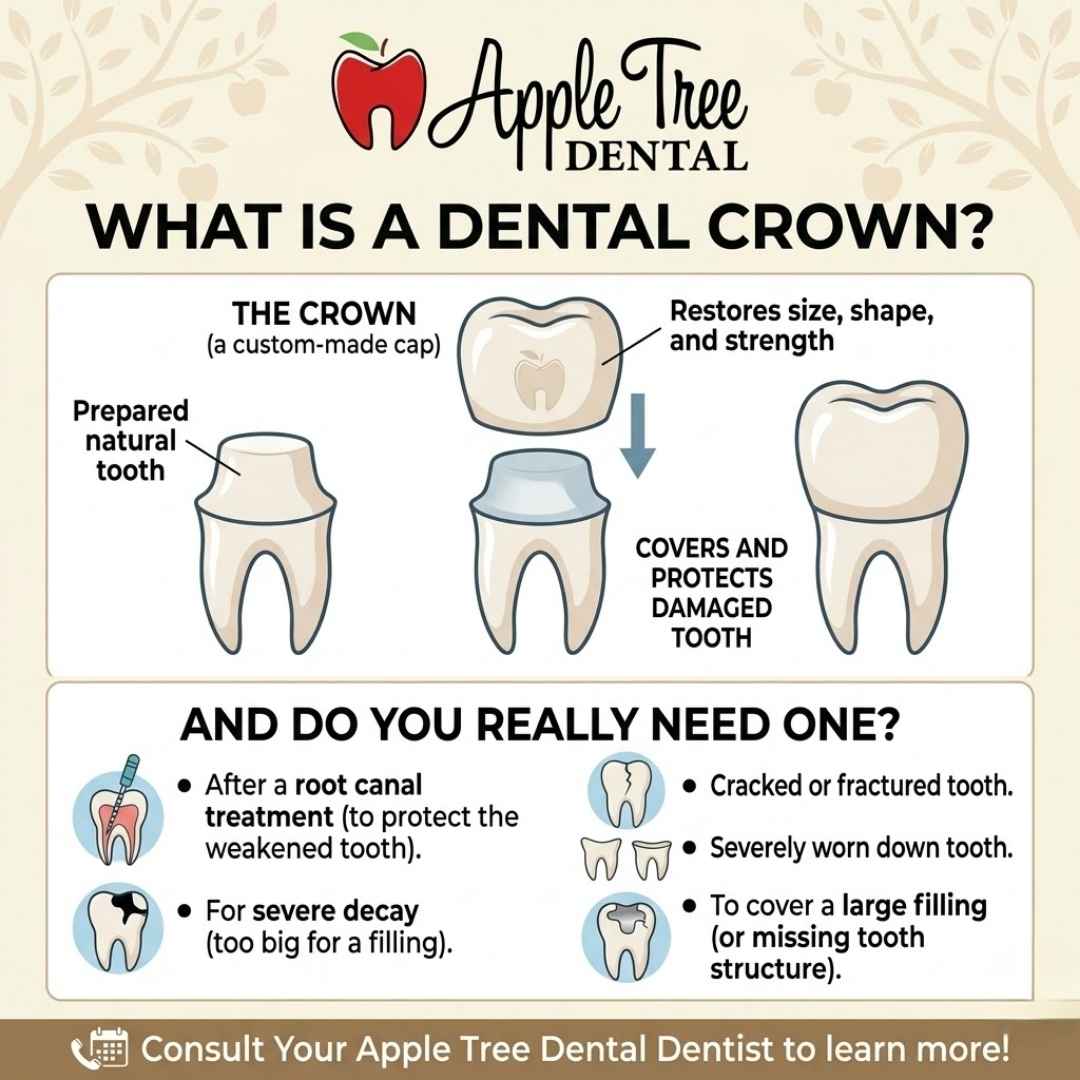
A dental cap for teeth, also known as a dental crown, is a custom-made restoration that fully covers a damaged or weakened tooth above the gum line. It restores strength, shape, and function while protecting the tooth from further damage.

Dental caps are widely recommended in restorative dentistry and are supported by clinical guidelines followed by dental professionals across Canada.


When Is a Dental Cap Needed?

A dental cap may be recommended when a tooth is no longer strong enough to function on its own.

Common situations include:

  • Large cavities that cannot support fillings
  • Cracked or fractured teeth
  • Teeth weakened after root canal treatment
  • Severe tooth wear from grinding
  • Broken teeth due to injury
  • Cosmetic concerns such as discoloration or uneven shape

According to standards followed by dentists registered with Canadian dental regulatory authorities, preserving the natural tooth structure is always preferred whenever possible.


Types of Dental Caps for Teeth

Several materials are used in modern dentistry, each selected based on durability and appearance.

Porcelain Dental Caps

  • Natural tooth-like appearance
  • Commonly used for front teeth

Ceramic Dental Caps

  • Metal-free
  • Biocompatible and aesthetic

Porcelain-Fused-to-Metal (PFM)

  • Strong internal structure
  • Balanced durability and appearance

Metal Dental Caps

  • Highly durable
  • Often recommended for molars

Treatment selection follows evidence-based dentistry principles supported by Canadian oral health guidelines.


Dental Cap for Teeth Procedure: Step-by-Step

Step 1: Clinical Examination

The dentist evaluates the tooth using digital X-rays to assess decay, infection, or structural damage.

Step 2: Tooth Preparation

The damaged area is cleaned, and the tooth is reshaped slightly to allow proper crown placement.

Step 3: Impression or Digital Scan

A precise mold or digital scan ensures accurate fit and bite alignment.

Step 4: Temporary Dental Cap

A temporary crown protects the tooth during fabrication.

Step 5: Final Placement

The permanent dental cap is securely bonded and adjusted for comfort.

This approach follows standard restorative dentistry protocols used by licensed dentists throughout Ontario.


Benefits of a Dental Cap for Teeth

A dental cap provides both restorative and preventive advantages:

  • Strengthens weakened teeth
  • Restores natural chewing ability
  • Prevents further decay
  • Improves smile appearance
  • Helps avoid tooth extraction
  • Supports long-term oral health

These benefits align with patient education resources published by Canadian dental health organizations that promote early restorative treatment.


How Long Does a Dental Cap Last?

With proper care, a dental cap typically lasts 10 to 15 years or longer.

Longevity depends on:

  • Oral hygiene practices
  • Regular professional cleanings
  • Bite forces and grinding habits
  • Gum health

Routine dental visits recommended by oral health professionals in Canada play an important role in maintaining crown stability.


Dental Cap vs Dental Filling

Dental FillingDental Cap
Repairs small decayRestores major damage
Partial tooth coverageFull tooth coverage
Shorter lifespanLong-term durability

When structural integrity is compromised, dental professionals generally recommend a dental cap for teeth instead of repeated fillings.


Cost of Dental Cap for Teeth in London, Ontario

The cost may vary based on:

  • Crown material
  • Tooth position
  • Treatment complexity
  • Dental insurance coverage

Guidance from Ontario dental fee structures and Canadian dental care standards helps dentists provide transparent and fair treatment planning.

A consultation with a dentist in London, Ontario, allows for accurate cost assessment and personalized care.


Caring for Your Dental Cap

To maintain your dental cap:

  • Brush twice daily with fluoride toothpaste
  • Floss carefully around the crown margins
  • Avoid chewing hard objects
  • Attend routine dental checkups
  • Use a night guard if recommended

Preventive care practices promoted by Canadian oral health education programs emphasize consistency and early intervention.


Why Choose Apple Tree Dental in London, Ontario?

At Apple Tree Dental, treatments are delivered following recognized Canadian dental care standards, with a focus on patient comfort, accuracy, and long-term results.

For families searching for a trusted dental clinic in London, Ontario, professional evaluation ensures that dental caps are designed to function naturally and support lifelong oral health.

Final Thoughts

A dental cap for teeth plays a critical role in protecting damaged teeth, restoring function, and maintaining long-term oral health. Supported by Canadian dental care principles and evidence-based practices, dental caps remain one of the most effective restorative solutions available today.

For patients in London, Ontario, early treatment and professional guidance from Apple Tree Dental can help prevent complications and support a healthy, confident smile for years to come.

Frequently Asked Questions (FAQs)

Is a dental cap the same as a crown?

Yes. A dental cap and a dental crown are different terms for the same treatment.

Can a dental cap fall off?

This is uncommon, but if it occurs, your dentist can reattach or replace it safely.

Is the procedure painful?

Local anesthesia is used, making the process comfortable for most patients.

Can I eat normally after treatment?

Yes. Once placed, the tooth functions like a natural tooth.

Is saving the tooth better than extraction?

In most cases, preserving the natural tooth with a dental cap is strongly preferred.

More Topic About Apple Tree Dental

Patients often explore additional topics such as dental crowns, tooth restoration, preventive dental care, and root canal treatment to better understand their oral health options.

https://caphd.ca/Educational guidance published by Canadian dental associations, provincial dental regulatory bodies, and national oral health organizations in Canada helps reinforce why restorative treatments like dental caps are widely recommended by licensed professionals.

These references strengthen trust, accuracy, and patient confidence — important elements of healthcare decision-making.

Why Choosing a Family Dentist Makes Dental Care Easier for Your Whole Family

Maintaining good oral health is essential at every stage of life. From a child’s first tooth to adult preventive care and senior dental support, oral needs continue to change. This is why choosing a family dentist plays a major role in making dental care simpler, more organized, and more effective for the entire household.

A family dentist provides complete dental services for children, adults, and seniors under one trusted dental home. Instead of visiting different clinics for each family member, families can rely on one dental team that understands their history, habits, and long-term oral health goals.


What Is a Family Dentist?

A family dentist is trained to treat patients of all age groups. They focus on preventive care, early diagnosis, and long-term dental health planning.

Unlike clinics that specialize in only pediatric or adult dentistry, a family dentist supports oral health throughout every life stage — creating continuity of care and long-term trust.

This approach improves both comfort and treatment accuracy.


One Dental Clinic for the Entire Family

One of the biggest advantages of choosing a family dentist is convenience.

With one clinic managing all dental needs, families can easily coordinate:

This reduces appointment stress and keeps all dental records in one secure system.


Long-Term Dental History Improves Care

A family dentist develops familiarity with your oral health over time. Because they track your dental history consistently, they can identify changes early — such as:

  • Developing cavities
  • Early gum inflammation
  • Bite alignment issues
  • Enamel wear

This long-term monitoring often helps prevent the need for advanced treatments like root canal therapy or tooth extractions later.


Comfortable Dental Visits for Children

Many children experience dental anxiety during early visits. A family dentist focuses on creating a calm and friendly environment that helps kids feel safe.

Early exposure helps children:

  • Build confidence during appointments
  • Learn proper brushing and flossing habits
  • Avoid fear associated with dental care

As a result, children are more likely to maintain healthy habits into adulthood.


Preventive Dental Care for Lifelong Oral Health

Preventive dentistry is the foundation of family dental care. Regular visits help protect teeth before problems begin.

Common preventive services include:

  • Dental examinations
  • Professional teeth cleanings
  • Fluoride treatments
  • Dental sealants for children

Preventive care significantly lowers the risk of cavities and gum disease while supporting overall health.


Comprehensive Dental Services Under One Roof

A trusted family dentist typically offers a wide range of services, including:

  • Tooth-colored fillings
  • Dental crowns and bridges
  • Gum disease treatment
  • Smile restoration solutions

When care is provided in one clinic, treatment planning becomes faster and more efficient.

Patients don’t need referrals for routine dental procedures, which saves time and reduces confusion.


Family Dentistry Supports Overall Health

Oral health is directly connected to overall wellness. Research from trusted organizations such as the American Dental Association and the World Health Organization shows that poor oral hygiene can contribute to serious health issues.

These may include:

  • Heart disease
  • Diabetes complications
  • Chronic inflammation
  • Oral infections

Routine dental visits help detect early warning signs before they affect general health.


Education That Benefits the Whole Family

A family dentist plays a key educational role by guiding patients on:

  • Correct brushing techniques
  • Daily flossing routines
  • Healthy diet choices
  • Preventing tooth decay

This education empowers families to maintain strong oral hygiene at home between appointments.


Saves Time for Busy Families

Modern families juggle work, school, and daily responsibilities. Having one family dentist simplifies scheduling and reduces unnecessary travel between clinics.

Many practices allow:

  • Back-to-back family appointments
  • Flexible scheduling
  • Consistent follow-ups

This makes it easier to stay consistent with dental care.


Builds Trust Through Familiar Relationships

When families see the same dentist regularly, trust naturally develops. Patients feel more comfortable asking questions and understanding treatment options.

Children especially benefit from seeing familiar faces, which lowers anxiety and increases cooperation during visits.

This long-term relationship strengthens patient confidence and satisfaction.


How to Choose the Right Family Dentist

When selecting a family dentist, consider:

  • Experience treating all age groups
  • Availability of preventive and restorative services
  • Clear communication and transparency
  • Comfortable clinic environment
  • Strong online reviews and reputation

Choosing the right provider ensures long-term oral health stability.


Importance of Regular Dental Visits

Most family dentists recommend visits every six months. These routine appointments help:

  • Remove plaque and tartar
  • Detect dental problems early
  • Maintain healthy gums
  • Reduce emergency dental visits

Consistency is the key to preventing costly treatments later.


Final Thoughts

Choosing a family dentist simplifies dental care while improving long-term oral health for every family member.

With preventive care, education, and continuous monitoring under one dental home, families benefit from convenience, comfort, and peace of mind.

From early childhood through adulthood and beyond, family dentistry provides the structure needed to maintain healthy, confident smiles for life.


Frequently Asked Questions

What services does a family dentist provide?

A family dentist offers preventive, restorative, and routine dental care for patients of all ages.

Is a family dentist suitable for children?

Yes, family dentists are trained to provide gentle, age-appropriate dental care for kids.

How often should families visit a family dentist?

Most families should visit every six months unless advised otherwise.

Can adults and seniors visit the same family dentist?

Yes, family dentists treat children, adults, and seniors in one clinic.

Why is family dentistry important?

It ensures consistent care, early detection, and long-term oral health management.

What Does a Dental Cavity Look Like? Signs, Stages & Pictures Explained

Quick Answer

A dental cavity is a permanently damaged hole in a tooth caused by acid-producing bacteria. Cavities progress through 5 stages — from white spots on enamel to deep pulp infection. Common signs include tooth sensitivity, pain when chewing, and visible dark spots. Early cavities can be treated with a simple filling ($150–$400 in Ontario). Left untreated, they require root canals or extraction.

If you are in pain right now, contact Apple Tree Dental in London, Ontario for same-day appointments.

What Is a Dental Cavity?

A dental cavity — also called dental caries or tooth decay — is a permanently damaged area in a tooth caused by acid-producing bacteria. These bacteria feed on sugars and starches from food, producing acids that gradually erode tooth enamel. Over time, this process creates a hole in the tooth structure.

According to the Public Health Agency of Canada, tooth decay is one of the most widespread chronic health conditions affecting Canadians across all age groups. More than 90% of adults will experience at least one cavity in their lifetime.

Without treatment, a cavity does not heal on its own. It spreads deeper through the enamel, into the dentin layer, and eventually reaches the pulp — the nerve-filled centre of the tooth — leading to infection, severe pain, and potential tooth loss.

The good news: cavities caught early require only a simple filling. Cavities caught in the white-spot stage may not require any drilling at all.

What Does a Dental Cavity Look Like?

The appearance of a cavity changes significantly as it progresses. Some cavities are visible to the naked eye; others can only be detected through dental X-rays. Here is what to look for at each stage.

Cavity Colours: A Quick Reference

  • White or chalky spots — earliest stage; mineral loss but no hole yet
  • Yellow or light brown — enamel decay beginning; pit or rough texture forming
  • Dark brown — dentin decay; visible pit or hole
  • Black — advanced decay; significant structural damage

Because surface stains from coffee, tea, or tobacco can look similar to early cavities, a dental examination is always needed to confirm whether a discolouration is decay or surface staining.

Can You See a Cavity at Home?

Some cavities on the biting surfaces of back teeth may become visible once they break through the enamel. However, many cavities form in locations impossible to see without professional tools:

  • Between teeth (interproximal cavities)
  • Beneath old fillings or crowns
  • At or below the gum line
  • On the roots of teeth in patients with gum recession

The Ontario Dental Association recommends routine dental X-rays as part of every comprehensive examination specifically because most cavities are invisible until they have caused significant damage.

The 5 Stages of Cavity Formation

Cavities do not appear overnight. They develop through five distinct stages, each representing deeper structural damage and requiring more involved treatment if left unaddressed.

Stage 1 — Demineralization (White Spot Stage)

What it looks like: Chalky white or opaque spot on the enamel surface, often near the gum line. No hole has formed yet.

Symptoms: Usually none. Mild sensitivity to sweets possible.

Treatment needed: This is the only reversible stage. Fluoride treatments, remineralizing toothpaste, and improved oral hygiene can repair the enamel before a cavity fully develops. No drilling required.

Stage 2 — Enamel Decay

What it looks like: Yellow or light brown discolouration. A small pit or rough area may develop on the tooth surface.

Symptoms: Sensitivity to cold drinks or sweets. Mild discomfort while eating.

Treatment needed: A dental filling. The decayed portion is removed and the tooth is restored. This is still an early, straightforward treatment.

Stage 3 — Dentin Decay

What it looks like: Clearly visible hole or pit. Dark brown to black colouring. Food frequently gets stuck in the area.

Symptoms: Sharp pain when chewing. Increased sensitivity to hot and cold. Persistent discomfort.

Treatment needed: Dental filling, or an inlay/onlay if the decay is extensive. Decay spreads faster through dentin than enamel, so prompt treatment is critical at this stage.

Stage 4 — Pulp Damage

What it looks like: Large dark hole. The tooth may appear broken or crumbling. Gums around the tooth may be swollen.

Symptoms: Constant toothache, often waking patients at night. Pain without any food trigger. Bad taste or odour from the tooth.

Treatment needed: Root canal treatment to remove infected pulp tissue and seal the tooth. A dental crown is usually placed afterward.

Stage 5 — Dental Abscess

What it looks like: Visible swelling of the gum, jaw, or face. The tooth may have broken. A pimple-like bump (fistula) may appear on the gum.

Symptoms: Severe, throbbing pain. Swelling of the jaw or neck. Fever. Difficulty swallowing in serious cases.

Treatment needed: Emergency dental care. Antibiotics to control infection followed by root canal or extraction. Untreated dental abscesses can spread to surrounding bone and tissue and, in rare cases, become life-threatening.

Important: If you have facial swelling, fever, or difficulty swallowing alongside tooth pain, seek emergency dental care immediately. These are signs of a spreading infection.

How Long Does It Take a Cavity to Form?

Cavity formation timelines vary considerably between patients. Several factors determine how quickly decay progresses.

The Acid Attack Begins in 20 Minutes

Plaque begins to form on teeth within 20 minutes of eating. When plaque bacteria encounter sugar or starch, they immediately begin producing acid — and that acid begins demineralizing enamel within the same sitting. This is why frequent snacking is significantly more damaging than eating the same total amount of sugar in fewer, larger meals: each eating occasion triggers a new acid attack cycle.

Typical Cavity Formation Timeline

  • White spot stage: Weeks to months of repeated acid exposure
  • Enamel cavity: 6 months to 1 year from demineralization if untreated
  • Dentin decay: 1–3 years from initial enamel breakdown
  • Pulp involvement: 3+ years in adults; faster in children due to thinner enamel

Factors That Speed Up Cavity Formation

  • Frequent snacking or sipping sugary/acidic drinks throughout the day
  • Inadequate brushing or flossing allowing plaque to accumulate
  • Dry mouth (reduced saliva = less natural acid neutralisation)
  • Deep grooves on molars that trap food and plaque
  • Gum recession exposing softer root surfaces
  • Previous cavities or fillings (margins can develop new decay)

Factors That Slow Cavity Formation

  • Fluoride exposure (toothpaste, mouthwash, professional treatments)
  • Good saliva flow — saliva naturally neutralises acid and remineralises enamel
  • Consistent brushing twice daily and flossing once daily
  • Dental sealants on back teeth
  • Regular professional cleanings every 6 months

The critical takeaway: because early-stage cavities cause no pain, the only reliable way to catch them before they require significant treatment is through regular dental examinations with X-rays. By the time you feel pain, the cavity has almost always reached the dentin or beyond.

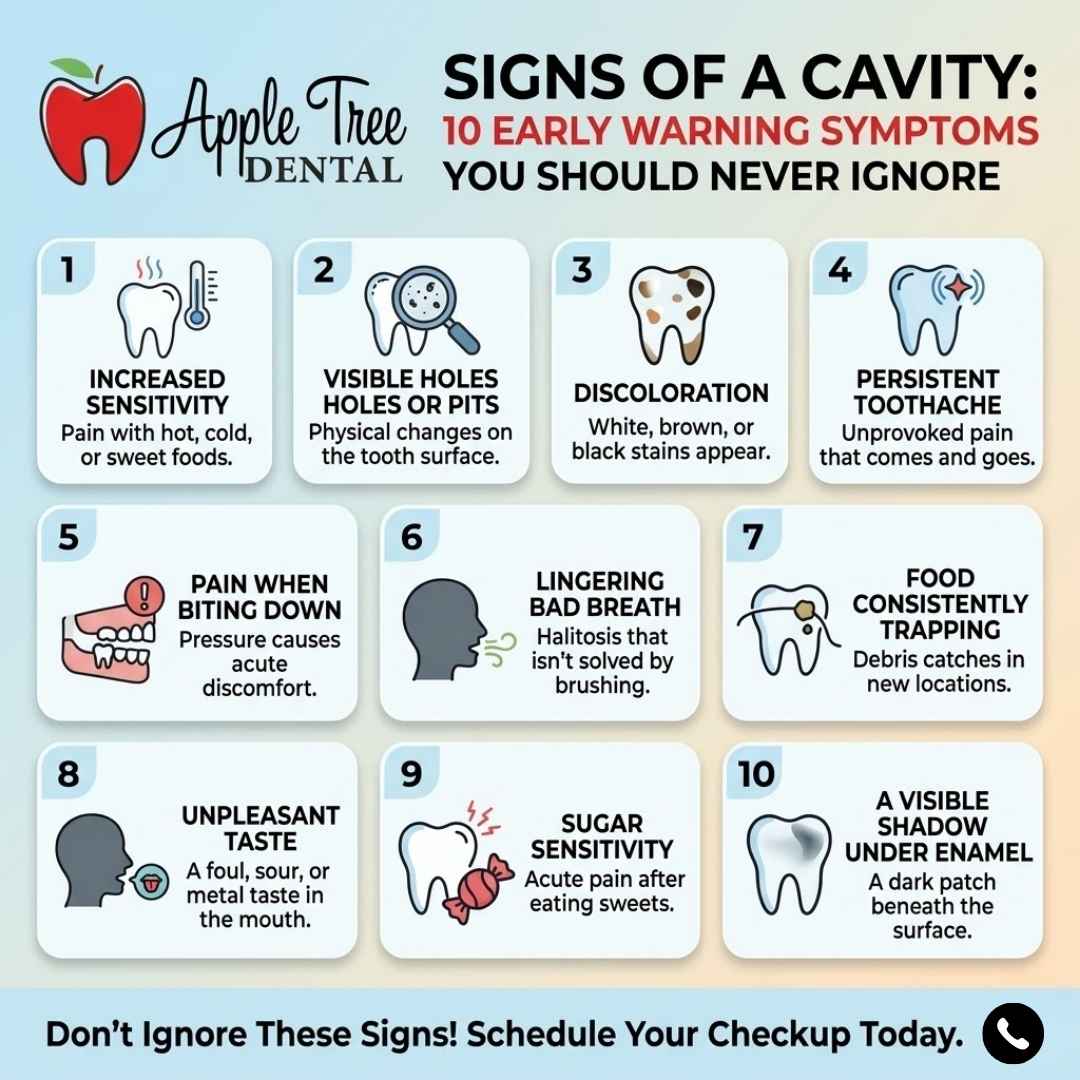
10 Signs of a Cavity You Should Never Ignore

Recognising symptoms early dramatically reduces the complexity and cost of treatment. Here are the ten warning signs most commonly reported by patients at Apple Tree Dental in London, Ontario.

1. Tooth Sensitivity to Hot or Cold

A sharp, sudden ache when eating ice cream or drinking hot coffee is often the first symptom patients notice. As enamel erodes, the dentin beneath becomes exposed. Dentin contains microscopic channels called dentinal tubules that transmit temperature sensations directly to the nerve, producing that characteristic sharp sting.

2. Sensitivity to Sweet Foods or Drinks

A reaction specifically triggered by sugar — a brief sting or tingling that fades within seconds — is a reliable early warning of enamel decay. Acid-producing bacteria are most active in the presence of sugar, making sweet sensitivity a meaningful clinical signal.

3. Spontaneous Toothache or Lingering Pain

A recurring ache that comes and goes without an obvious trigger, or constant throbbing pain, suggests decay approaching or reaching the pulp. Spontaneous pain — pain that starts without eating or temperature stimulation — warrants same-day dental attention.

4. Pain When Biting or Chewing

Discomfort on a specific tooth when biting down typically means decay has entered the dentin layer. The pressure of chewing compresses the damaged structure, causing a characteristic sharp pain that differs from generalised jaw soreness.

5. Visible Holes or Pits in the Tooth

A depression, pit, or rough area you can feel with your tongue — especially on the biting surfaces of back teeth — indicates that decay has broken through the enamel. A filling is required at this stage without exception.

6. Dark Spots or Staining That Won’t Brush Away

Brown, grey, or black discolouration that persists despite brushing may indicate structural decay rather than surface staining. Surface stains from coffee or tobacco sit on enamel; cavity discolouration reflects breakdown within the tooth structure. Only a dentist can confirm which type you have.

7. White Chalky Spots (Early Stage Warning)

An opaque, chalky-white area on an otherwise healthy-coloured tooth is the earliest visible sign of enamel demineralisation. At this pre-cavity stage, fluoride treatment can still reverse the damage — no drilling needed. These spots are most visible on front teeth and are often first noticed by a dentist rather than the patient.

8. Persistent Bad Breath or Unpleasant Taste

Bacteria living inside decayed tooth structure produce sulfur compounds that cause a consistent bad odour or taste that does not resolve with brushing or mouthwash. If bad breath is localised — traceable to one area of the mouth — a cavity or infection may be the source.

9. Swollen or Tender Gums Around One Tooth

Localised gum swelling, redness, or tenderness concentrated around a single tooth — particularly at the gum line — can signal that decay has advanced to the point of affecting surrounding tissue. Gum swelling alongside tooth pain is an indication to seek dental care promptly.

10. A Broken, Chipped, or Unexpectedly Rough Tooth Edge

If part of a tooth chips off without significant trauma, or you notice a newly sharp edge with your tongue, advanced decay may have hollowed out the internal tooth structure, making it brittle under normal chewing pressure. Teeth do not naturally chip without cause.

Note: Many cavities — especially those between teeth or beneath old fillings — cause no symptoms at all until they are significantly advanced. Routine dental X-rays at Apple Tree Dental are the only reliable way to catch these hidden cavities early.

What Causes Dental Cavities?

Dental decay results from a specific chain of events involving bacteria, diet, and time. Understanding each factor helps explain both why cavities form and how to interrupt the process.

The Cavity Formation Process

  1. Plaque accumulates — Plaque, a sticky biofilm of bacteria, forms on teeth surfaces every day. It begins building up within 20 minutes of eating.
  2. Bacteria consume sugar — Bacteria in plaque feed on carbohydrates (sugars and starches) from food and drink. Sugar does not damage teeth directly — bacteria do.
  3. Acid is produced — As bacteria metabolise sugar, they produce lactic acid as a waste product. This acid attacks tooth enamel.
  4. Enamel loses minerals — Each acid attack lasts approximately 20–30 minutes and causes enamel to lose calcium and phosphate (demineralisation).
  5. Saliva partially repairs the damage — In between eating, saliva neutralises acid and deposits minerals back into enamel (remineralisation).
  6. The balance tips toward decay — When acid attacks are more frequent or severe than saliva can repair, permanent enamel damage accumulates and a cavity eventually forms.

Main Contributing Causes

  • Poor oral hygiene — Infrequent or incomplete brushing and flossing allows plaque to remain on teeth and harden into tartar (calculus), which cannot be removed by brushing alone
  • High sugar and starch diet — Frequent consumption of sugary drinks, candy, bread, crackers, and other fermentable carbohydrates provides continuous fuel for acid-producing bacteria
  • Frequent snacking — Each eating occasion triggers an acid attack. Sipping a soft drink over 2 hours causes far more damage than drinking the same amount in 5 minutes
  • Dry mouth (xerostomia) — Saliva is the mouth’s natural defence against decay. Medications, medical conditions, and mouth breathing that reduce saliva flow significantly raise cavity risk
  • Inadequate fluoride exposure — Fluoride incorporates into enamel, making it harder and more resistant to acid. Low fluoride intake — from toothpaste, water, or professional treatments — removes a key protective factor
  • Deep tooth grooves — The pits and fissures on back molars are naturally difficult to clean and prone to plaque accumulation
  • Infrequent dental visits — Professional cleanings remove tartar that cannot be brushed away, and examinations catch early decay before it becomes extensive
  • Gum recession — Exposed root surfaces have softer cementum rather than enamel, making them significantly more vulnerable to decay
  • Existing dental work — Old fillings can develop micro-gaps at their margins over time, allowing bacteria to enter underneath

Assess Your Tooth Decay Risk

Not everyone faces equal cavity risk. Certain factors significantly increase your likelihood of developing decay. Review the list below honestly to understand your personal risk profile.

Higher Risk Factors

  • Consuming sugary or acidic foods and drinks more than 3–4 times per day
  • Brushing less than twice daily or skipping flossing
  • Dry mouth caused by medications (antihistamines, antidepressants, blood pressure medications)
  • Previous cavities in the past 3 years
  • Visible tartar buildup along the gum line
  • No dental visit in the past 12 months
  • Orthodontic appliances (braces, retainers) that make cleaning more difficult
  • Gum recession exposing root surfaces
  • Diabetes or other systemic conditions affecting saliva production
  • Smoking or using tobacco products (reduces saliva and oral immunity)

Lower Risk Factors

  • Brushing twice daily with fluoride toothpaste
  • Flossing once daily
  • Using a fluoride mouthwash
  • Professional dental cleaning every 6 months
  • No cavities in the past 3 years
  • Drinking fluoridated tap water
  • Dental sealants on molar teeth

If you identify with three or more higher-risk factors, we recommend scheduling an examination at Apple Tree Dental in London, Ontario sooner rather than later. Early detection at this stage saves significantly on treatment costs and complexity.

How to Prevent Cavities

Dental cavities are largely preventable. The following evidence-based habits, recommended by both the Canadian Dental Association and the American Dental Association, form the foundation of effective cavity prevention at any age.

Daily Oral Hygiene Essentials

  • Brush twice daily — Use a soft-bristled brush with fluoride toothpaste. Brush for a minimum of two minutes, ensuring you cover all tooth surfaces. Brush last thing at night without eating or drinking afterward.
  • Floss once daily — Flossing removes plaque and food debris from between teeth where your toothbrush cannot reach. Interdental brushes or water flossers are equally effective alternatives.
  • Use fluoride mouthwash — A fluoride-containing rinse used after brushing adds an additional protective layer, especially for patients with moderate to high cavity risk.
  • Wait before brushing after acidic foods — Acid temporarily softens enamel. Brushing immediately after consuming acidic food or drinks (citrus, soda) can accelerate enamel wear. Wait 30–60 minutes.

Dietary Habits That Protect Teeth

  • Reduce snacking frequency — Each eating occasion triggers a 20–30 minute acid attack. Consolidating snacks into fewer sittings gives saliva time to neutralise acid and remineralise enamel.
  • Choose water over sugary drinks — Soft drinks, sports drinks, fruit juices, and flavoured coffee are among the most cavity-promoting beverages due to their combination of sugar and acid. Water — especially fluoridated tap water — is the best between-meal drink.
  • Eat calcium-rich foods — Dairy products, leafy greens, and almonds support enamel mineralisation. Cheese in particular raises mouth pH after meals, actively counteracting acid.
  • Limit sticky carbohydrates — Crackers, chips, dried fruit, and sticky candy cling to tooth surfaces and provide prolonged acid exposure. If consumed, brush soon afterward.
  • Chew sugar-free gum after meals — Xylitol-containing gum stimulates saliva flow, which neutralises acid and washes away food debris. The xylitol itself also inhibits Streptococcus mutans bacteria.

Professional Preventive Treatments

  • Professional cleaning every 6 months — Removes tartar that cannot be brushed away and allows early decay to be detected before it requires drilling.
  • Fluoride treatments — Applied at the dental office, professional fluoride varnish provides a concentrated remineralising treatment that significantly reduces cavity risk, particularly for children and high-risk adults.
  • Dental sealants — A thin plastic coating applied to the deep grooves of back molars. Sealants prevent food and bacteria from lodging in these hard-to-clean areas. Highly effective for children aged 6–14 but beneficial at any age.
  • Dental X-rays — The only reliable method for detecting cavities between teeth, under fillings, and in the earliest stages before symptoms develop.

Cavities in Children: Early Childhood Caries

Tooth decay in children — clinically known as Early Childhood Caries (ECC), or commonly called baby bottle tooth decay — is the most common chronic infectious disease of childhood. It affects children before the age of six and can develop as soon as the first baby tooth erupts.

Why Children Are More Vulnerable

  • Baby teeth have thinner, softer enamel than adult teeth, making them faster to decay
  • Children are often unable to brush effectively without adult supervision
  • Frequent exposure to milk, formula, or juice — especially during nighttime feeding — creates prolonged acid exposure
  • The bacteria that cause cavities (Streptococcus mutans) can be transmitted from parent to child through shared utensils, kissing, or cleaning a pacifier in an adult’s mouth

Consequences Beyond the Teeth

Early childhood tooth decay has consequences that extend well beyond appearance. Untreated decay in baby teeth can cause:

  • Severe pain affecting eating, sleep, and concentration at school
  • Speech development difficulties
  • Infection spreading to the permanent teeth developing beneath
  • Bone infection in serious untreated cases
  • The need for treatment under general anaesthesia

Prevention in Young Children

  • Begin brushing with a tiny smear of fluoride toothpaste as soon as the first tooth appears
  • Never put a baby to bed with a bottle containing milk, formula, or juice
  • Transition from bottle to cup by age one
  • Book the first dental visit by age one, or within six months of the first tooth erupting
  • Ask about fluoride varnish applications at your child’s dental visits
  • Ask about dental sealants when first permanent molars erupt (around age 6)

The Canadian Dental Association recommends children visit a dentist within six months of their first tooth appearing. Apple Tree Dental’s family dentistry team in London, Ontario sees patients of all ages, including infants and toddlers.

Dental Filling Materials: Which Is Right for You?

When a cavity is diagnosed, your dentist will remove the decayed tooth material and restore the tooth using a filling. Several materials are available, each with distinct advantages depending on the location of the cavity, your budget, and your dental insurance coverage.

Composite Resin (Tooth-Coloured Filling)

Best for: Front teeth and visible areas; small to medium cavities on any tooth.

Composite resin is the most widely used filling material today. It matches the natural colour of teeth, bonds directly to the tooth structure (meaning less healthy tooth needs to be removed), and sets immediately under a curing light. Composite is slightly less durable than amalgam under heavy chewing stress but is preferred for aesthetic reasons and its minimal tooth removal requirement.

Amalgam (Silver Filling)

Best for: Back teeth (molars and premolars) subject to heavy chewing forces; patients with limited budgets or no insurance.

Amalgam is a mixture of metals including silver, tin, copper, and mercury. It is exceptionally durable, typically lasting 10–15 years or more, and is generally lower in cost. Amalgam fillings are dark silver in colour and therefore less preferred for visible teeth. They have an excellent track record of safety and effectiveness confirmed by decades of clinical use.

Ceramic / Porcelain (Inlay or Onlay)

Best for: Larger cavities requiring more extensive restoration; patients prioritising both aesthetics and durability.

Ceramic restorations match tooth colour with greater precision than composite resin and are highly resistant to staining. They are typically fabricated in a dental laboratory and require two appointments. Cost is higher than composite or amalgam.

Gold

Best for: Patients prioritising maximum longevity; back teeth with heavy bite forces.

Gold inlays and onlays are among the most durable restorations available, lasting 15–20 years or more. They are biocompatible and cause minimal wear on opposing teeth. The significant drawbacks are high cost and gold colouring, making them uncommon in modern practice.

Glass Ionomer Cement

Best for: Baby teeth; cavities near the gum line; temporary restorations.

Glass ionomer releases fluoride, providing ongoing protection against further decay. It bonds well to tooth structure but is not as strong as composite resin and wears more quickly under bite forces.

Your dentist at Apple Tree Dental will recommend the most appropriate material based on the location and size of your cavity, bite forces in that area, aesthetic considerations, and your insurance coverage. No single material is best for every situation.

How Much Does a Cavity Filling Cost in Ontario?

Understanding dental filling costs in advance helps patients plan their care and avoid delaying treatment due to financial uncertainty. Here are current typical ranges for London, Ontario.

Typical Dental Filling Costs in Ontario

Filling Type Typical Cost (Ontario) Durability
Composite resin (1 surface) $150 – $250 7–10 years
Composite resin (2–3 surfaces) $200 – $400 7–10 years
Amalgam (silver) $150 – $300 10–15+ years
Ceramic inlay/onlay $800 – $1,500+ 15–20 years
Root canal + crown $1,500 – $3,000+ 10–20+ years

Costs vary based on the number of tooth surfaces affected, the specific tooth location, and your dental insurance plan. Many Ontario dental insurance plans cover 50–80% of basic restorative treatment including composite and amalgam fillings.

The Cost of Waiting

A cavity treated at Stage 2 (enamel decay) typically costs $150–$250. The same cavity treated at Stage 4 (pulp involvement) requires a root canal and crown costing $1,500–$3,000 or more. Treating cavities early is not just better for your teeth — it is significantly more affordable.

To inquire about filling costs or your insurance coverage at Apple Tree Dental, contact our South London or North London location directly.

Can You Eat After a Dental Filling?

Yes — you can eat after a dental filling, but timing and food choices matter depending on the type of filling placed.

Composite Resin Filling

Composite fillings harden immediately under a curing light during the appointment. You can eat as soon as the local anaesthetic wears off — typically 1–2 hours after leaving the clinic. Until sensation returns fully, avoid the treated side to prevent accidentally biting your cheek or tongue.

Amalgam Filling

Amalgam takes longer to fully harden and reach its final strength. Dentists recommend waiting at least 24 hours before chewing on the treated tooth. Eat soft foods and use the opposite side of the mouth during this time.

Temporary Filling

Temporary fillings can be eaten over after 1–2 hours, but hard, sticky, and crunchy foods should be avoided entirely. Temporary materials are designed to be removed at a follow-up appointment and are not built to withstand normal chewing forces.

Foods to Avoid After Any Filling (First 24 Hours)

  • Sticky foods — caramel, chewing gum, toffee (can pull at the filling)
  • Very hard foods — ice, hard candy, crusty bread
  • Very hot or very cold foods and drinks (tooth may be temporarily sensitive)
  • Chewy foods that require prolonged biting pressure

Sensitivity After a Filling Is Normal

It is normal to experience some sensitivity to temperature and pressure for a few days to two weeks after a filling. This typically resolves on its own. If sensitivity persists beyond two weeks, worsens, or is accompanied by throbbing pain, contact Apple Tree Dental — the bite may need a minor adjustment, or the tooth may require further assessment.

When Should You See a Dentist?

The most important dental appointment is a routine checkup — because early cavities have no symptoms and routine X-rays are the only way to find them. However, the following symptoms indicate you should contact a dentist promptly rather than waiting for your next scheduled visit.

See a Dentist Soon (Within a Week)

  • Tooth sensitivity that has lasted more than two weeks
  • A visible dark spot, hole, or pit in a tooth
  • Persistent bad taste or bad breath from one area of the mouth
  • A filling or crown that feels loose or has partially come out
  • Pain when biting down on a specific tooth

See a Dentist Today (Same Day or Emergency)

  • Throbbing pain that wakes you at night
  • Swelling of the gum, jaw, or face
  • Fever alongside tooth pain
  • Difficulty opening your mouth or swallowing
  • A tooth that has broken or cracked significantly
  • A pimple-like bump on the gum near a tooth that has been hurting

Apple Tree Dental offers emergency dental care at both our London, Ontario locations. Do not wait when pain or swelling is present.

Ready to Protect Your Smile?

Book an examination at Apple Tree Dental in London, Ontario. Our team at both North and South locations is accepting new patients.

Book at South Location
Book at North Location

Frequently Asked Questions

What are the first signs of a cavity?

The earliest signs are white chalky spots on the enamel (visible on front teeth), mild sensitivity to sweet foods, and a slightly rough texture on a tooth. Many first-stage cavities cause no symptoms at all and are only detected during a dental X-ray.

Can you have a cavity with no pain?

Yes — the majority of early to mid-stage cavities cause no pain. Pain typically begins only when decay reaches the dentin or pulp, which represents moderate to advanced decay. This is why regular dental checkups are essential even when your teeth feel fine.

Can a cavity heal on its own?

Early-stage enamel demineralisation (the white spot stage) can be reversed with fluoride treatments and improved oral hygiene before a hole forms. Once a cavity has formed — meaning the enamel has broken down and a hole exists — it cannot self-heal and requires professional treatment.

How long does it take to fill a cavity?

A routine single-surface composite filling at Apple Tree Dental typically takes 30–60 minutes including freezing time. Larger cavities or multiple fillings in one appointment take longer. Root canal treatment involves two or more appointments.

Does getting a cavity filled hurt?

Local anaesthetic is applied before any drilling, so the procedure itself is not painful. You may feel pressure during the filling. Some sensitivity is normal for a few days afterward and typically resolves on its own.

How often should I get my teeth checked for cavities?

Most adults benefit from a dental examination and cleaning every six months. Patients with a history of frequent cavities, dry mouth, or other risk factors may benefit from more frequent visits. Your dentist at Apple Tree Dental will recommend an appropriate recall schedule based on your individual risk profile.

What is the difference between a cavity and tooth decay?

Tooth decay refers to the overall process of enamel breakdown caused by acid from bacteria. A cavity is the physical hole that forms in the tooth as a result of that decay process. Tooth decay precedes cavity formation — early decay can be reversed; a cavity cannot.

Are baby teeth cavities worth treating?

Yes. Untreated cavities in baby teeth cause pain, affect eating and speech development, and can spread infection to the developing permanent teeth underneath. Baby teeth also hold space for permanent teeth; premature loss due to decay can cause crowding and alignment problems in the adult dentition.

How Does an Emergency Dental Clinic Treat Urgent Dental Problems

Dental emergencies often happen without warning—sudden tooth pain, facial swelling, trauma, or infection can quickly interfere with daily life. Understanding how an emergency dental clinic treats urgent dental problems helps you take immediate action and avoid serious oral health complications.

For patients searching for a trusted emergency dental service in London, this guide explains the complete emergency treatment process, available services, and when urgent dental care is necessary.


What Is an Emergency Dental Clinic?

An emergency dental clinic provides immediate diagnosis and treatment for dental problems that cannot wait for a regular appointment. The primary goals of emergency dental care include:

  • Rapid pain relief
  • Infection control
  • Stabilization of damaged teeth
  • Prevention of long-term complications

Emergency dental treatment follows professional standards established by organizations such as the Canadian Dental Association, which outlines best practices for safe and effective dental care.

Common reasons patients visit an emergency dental clinic include:

  • Severe or throbbing tooth pain
  • Dental abscess or facial swelling
  • Broken, cracked, or knocked-out teeth
  • Lost fillings or crowns causing pain
  • Uncontrolled bleeding
  • Dental trauma from accidents

How an Emergency Dental Clinic Treats Urgent Dental Problems

1. Immediate Examination and Pain Relief

Emergency dental care begins with a focused oral examination and, when needed, diagnostic X-rays. The first priority is relieving pain quickly using modern local anesthesia to keep patients comfortable during treatment.

2. Fast and Accurate Diagnosis

Emergency dentists identify whether the issue is caused by infection, decay, trauma, or a failed restoration. Accurate diagnosis allows treatment to begin immediately, reducing the risk of complications.

3. Emergency Dental Treatments

Depending on the condition, an emergency dental clinic may provide:

  • Emergency tooth extraction for severely damaged or infected teeth
  • Root canal treatment to remove infection and preserve the tooth
  • Temporary or permanent fillings for cavities or fractures
  • Recementing or replacing crowns and fillings
  • Drainage and treatment of dental abscesses
  • Stabilization of injured or displaced teeth

Educational guidance from the American Dental Association emphasizes that prompt emergency dental care improves treatment outcomes and helps prevent further damage.

4. Infection Control and Swelling Reduction

Dental infections can spread beyond the mouth if left untreated. According to Health Canada, untreated oral infections may affect overall health and should be addressed as soon as symptoms appear. Emergency dental services focus on removing infection sources and reducing swelling safely.

5. Aftercare and Follow-Up Planning

Once the emergency is stabilized, patients receive clear aftercare instructions and a follow-up treatment plan to restore full function and maintain long-term oral health.


When Should You Visit an Emergency Dental Clinic?

You should seek emergency dental care immediately if you experience:

  • Severe tooth pain lasting several hours
  • Facial, jaw, or gum swelling
  • Fever combined with dental pain
  • A knocked-out, broken, or loose tooth
  • Persistent bleeding after dental trauma
  • Sudden pain from a lost filling or crown

Public health guidance from the World Health Organization highlights the importance of treating oral infections early to protect overall well-being.


Emergency Dental Clinic in London, Ontario

Patients looking for a reliable emergency dental clinic in London, Ontario can receive prompt, professional care at Apple Tree Dental. The clinic focuses on rapid pain relief, accurate diagnosis, and effective emergency dental treatment in a calm, patient-centered environment.


Frequently Asked Questions About Emergency Dental Clinics

What qualifies as a dental emergency?

Severe pain, swelling, infection, broken or knocked-out teeth, uncontrolled bleeding, or dental trauma are considered dental emergencies.

How quickly should I visit an emergency dental clinic?

Immediately. Early treatment improves outcomes and reduces the risk of complications.

Can an emergency dentist save a damaged tooth?

In many cases, yes—especially when treatment is received promptly.

Is emergency dental treatment painful?

Emergency dentists prioritize pain management using modern anesthesia and gentle techniques.

Do emergency dental clinics treat infections?

Yes. Emergency dental clinics diagnose and treat infections such as abscesses to prevent spread.

Can I visit an emergency dental clinic without an appointment?

Many clinics offer same-day or walk-in emergency appointments.

Will I need follow-up treatment?

Often yes. Emergency care stabilizes the issue, while follow-up treatment restores long-term oral health.


Final Takeaway

An emergency dental services plays a critical role in treating urgent dental problems quickly and safely. For residents of London, Ontario, timely emergency dental care helps relieve pain, stop infection, and protect long-term oral and overall health.

How Can You Tell If a Molar Extraction Is Fully Healed?

A healed molar extraction is a key indicator that the mouth has recovered properly after tooth removal. Many patients in London, Ontario ask how to confirm whether their extraction site has healed completely—especially before moving forward with treatments like dental implants or crowns.

At Apple Tree Dental, this is one of the most common post-extraction questions. This on-page guide explains the signs of a healed molar extraction, expected recovery timelines, and when professional evaluation is recommended.


What Is a Healed Molar Extraction?

A healed molar extraction means that both the gum tissue and underlying jawbone have recovered after tooth removal. Healing occurs in stages and includes:

  • Closure of the extraction socket
  • Healthy gum tissue formation
  • Bone regeneration beneath the gums

While surface healing may appear complete within weeks, bone healing after molar extraction can take several months.


Molar Extraction Healing Timeline (What’s Normal?)

Healing time can vary, but most patients follow a predictable recovery pattern:

First 24–72 Hours

  • Blood clot formation in the socket
  • Mild pain, swelling, or tenderness

1–2 Weeks

  • Gum tissue starts closing
  • Reduced swelling and discomfort

3–4 Weeks

  • Gums usually appear healed
  • Little to no pain while chewing

2–4 Months

  • Jawbone continues remodeling
  • Site becomes stable for future dental treatment

A molar extraction is often considered fully healed once the gums are closed and there is no discomfort, even though bone healing continues internally.


Key Signs of a Fully Healed Molar Extraction

1. No Pain or Persistent Sensitivity

A healed extraction site should not cause ongoing pain. Mild awareness is normal, but throbbing pain or pressure may indicate delayed healing.

2. Healthy Pink Gum Tissue

Normal healing shows:

  • Pink or light coral gums
  • Firm tissue with no swelling
  • No bleeding when brushing

This is a strong indicator of proper gum healing after tooth extraction.

3. No Visible Hole or Socket

In early recovery, the extraction socket is visible. As healing completes:

  • The socket fills in
  • Gums fully cover the area

A visible hole weeks later may suggest slow healing.

4. No Bad Taste or Odor

A healed molar extraction should not produce:

  • Foul taste
  • Persistent bad breath

These symptoms may indicate infection or trapped debris.

5. Comfortable Chewing and Biting

Normal chewing without pain or sensitivity is a clear sign that the extraction site has stabilized.


What Does a Healed Molar Extraction Look Like?

Visually, a healed site usually shows:

  • Smooth, closed gum tissue
  • No exposed bone
  • Slight flattening where the tooth once was

This appearance is normal after molar tooth removal recovery.


Signs the Extraction Site May Not Be Fully Healed

Seek dental evaluation if any of the following occur:

  • Ongoing pain after tooth extraction
  • Swelling that does not improve
  • Pus or discharge
  • Gum reopening or recession
  • Sensitivity that worsens over time

These may indicate delayed healing, infection, or a history of dry socket.


Can Problems Occur After a Molar Extraction Has Healed?

Yes. Even a healed extraction site can develop issues due to:

  • Food impaction
  • Gum recession
  • Bone loss over time

Routine dental checkups help monitor long-term oral health after extraction.


Is a Healed Molar Extraction Ready for Dental Implants or Crowns?

Many patients ask if a healed molar extraction is ready for:

While gum healing may occur within weeks, dentists assess bone density and volume before recommending restorative treatment. In some cases, additional healing time or bone grafting may be required.


How to Support Complete Healing After a Molar Extraction

To promote optimal recovery:

  • Maintain excellent oral hygiene
  • Avoid smoking or tobacco use
  • Follow post-extraction care instructions
  • Attend follow-up dental visits

Professional monitoring ensures long-term success after extraction.


When to See a Dentist in London, Ontario

A dental visit is recommended if:

  • Pain persists beyond normal healing time
  • The extraction site looks unusual
  • You are planning implants or restorative treatment

Dental imaging may be used to confirm complete bone healing beneath the gums.


Frequently Asked Questions About Healed Molar Extraction

How long does it take for a molar extraction to fully heal?
Gum tissue may heal in 2–4 weeks, while bone healing can take 2–4 months.

Is sensitivity normal after healing?
Occasional mild sensitivity is normal, but persistent pain is not.

Can a healed extraction site reopen?
Rarely, trauma or infection may cause reopening and should be evaluated.

Can food get stuck in a healed molar extraction site?

Once fully healed, food should not get trapped. If food regularly gets stuck, the site may not be completely healed or may need professional cleaning.

How do dentists confirm a molar extraction is fully healed?

Dentists visually examine the gums and may take dental X-rays to confirm proper bone healing beneath the extraction site.


Final Thoughts

A healed molar extraction is characterized by healthy gums, no pain, and restored comfort while eating. Although surface healing occurs relatively quickly, complete recovery—especially bone healing—takes time. Monitoring symptoms and seeking professional dental care helps ensure long-term oral health.

For patients in London, Ontario, a professional assessment at Apple Tree Dental can confirm healing progress and guide next treatment steps safely.

Emergency Dental Clinic Delivering Rapid Relief From Tooth Pain & Oral Trauma

Dental emergencies can happen suddenly—severe tooth pain, swelling, broken teeth, or oral injuries often require immediate professional care. Visiting an emergency dental clinic helps relieve pain quickly, stop infections from spreading, and protect your long-term oral health.

For patients in London, Ontario, timely emergency dental care can prevent minor issues from becoming serious complications.


What Is an Emergency Dental Clinic?

An emergency dental clinic is designed to treat urgent dental problems that cannot wait for a routine appointment. These clinics focus on:

  • Immediate pain relief
  • Controlling dental infections
  • Stabilizing damaged teeth and gums
  • Preventing long-term oral and overall health risks

Emergency dental care typically prioritizes same-day treatment, especially when pain, swelling, or trauma is involved.


Common Dental Emergencies That Need Immediate Care

You should contact an emergency dental clinic if you experience any of the following:

Severe Tooth Pain

Persistent or sharp pain may indicate deep decay or infection. In many cases, this pain is treated through procedures such as root canal therapy to remove infection and save the natural tooth.

Broken, Chipped, or Cracked Teeth

Dental trauma or biting accidents can weaken a tooth. Depending on the damage, treatment may involve dental crowns to restore strength or emergency tooth extraction if the tooth cannot be saved.

Swelling, Abscess, or Infection

Facial swelling or gum abscesses are signs of serious infection. Left untreated, these infections can spread beyond the mouth and should be addressed immediately by an emergency dentist.

Dental Trauma or Injury

Falls, sports injuries, or accidents can damage teeth, gums, or jaws. Children are especially prone to dental injuries and often require emergency pediatric dental care to protect developing teeth.

Knocked-Out Tooth

A knocked-out tooth is one of the most urgent dental emergencies. Acting quickly and visiting an emergency dental clinic immediately can sometimes allow the tooth to be successfully reimplanted.


Why Immediate Emergency Dental Treatment Matters

Delaying treatment at an emergency dental clinic can result in:

  • Increased pain and swelling
  • Spread of infection to surrounding tissues
  • Tooth loss
  • More complex and costly dental procedures

Early intervention focuses on stabilizing the problem first, followed by long-term restorative care if needed.


What to Expect During an Emergency Dental Visit

At an emergency dental clinic, you can expect:

  1. A rapid evaluation of pain, swelling, or trauma
  2. Diagnostic imaging such as X-rays when required
  3. Immediate treatment to relieve pain or control infection
  4. A clear treatment plan for follow-up care

The primary goal is fast relief, followed by protecting your oral health.


Emergency Dental Care in London, Ontario

Patients looking for urgent dental treatment in London can rely on Apple Tree Dental, which provides professional emergency dental services for tooth pain, infections, and dental injuries. Their team focuses on prompt diagnosis, effective pain relief, and patient comfort during stressful dental situations.


What to Do Before You Reach an Emergency Dental Clinic

If you’re waiting for emergency dental care:

  • Rinse your mouth gently with warm water
  • Apply a cold compress to reduce swelling
  • Avoid chewing on the affected side
  • If a tooth is knocked out, keep it moist and handle it by the crown only

These steps can help minimize damage until you receive professional treatment.


When Should You Visit an Emergency Dental Clinic?

Visit an emergency dental clinic right away if:

  • Pain is severe or worsening
  • There is swelling, bleeding, or pus
  • A tooth is broken, loose, or missing
  • You suspect a dental infection

If you’re unsure, it’s always safer to seek urgent dental evaluation.


Frequently Asked Questions (FAQs)

What is considered a dental emergency?

Severe pain, infection, swelling, trauma, or knocked-out teeth are all considered dental emergencies.

Can a toothache wait for a regular appointment?

Mild discomfort may wait, but intense or persistent pain should be treated at an emergency dental clinic.

Are emergency dental appointments available the same day?

Most emergency dental clinics aim to provide same-day or urgent appointments, especially for severe cases.

Is emergency dental treatment more expensive?

Prompt emergency treatment often prevents more complex and costly procedures later.

Conclusion

Dental emergencies should never be ignored, as delays can lead to increased pain, infection, and long-term oral health complications. Choosing a trusted emergency dental clinic ensures you receive immediate, professional care when tooth pain, trauma, or sudden dental problems occur.

For patients in London, Ontario, Apple Tree Dental provides timely emergency dental care focused on relieving discomfort, treating the underlying issue, and protecting your long-term oral health. If you are experiencing severe pain, swelling, or a dental injury, seeking prompt emergency dental treatment can make a significant difference in both comfort and outcomes.

How Long Does a Cleaning at the Dentist Take? Timeline, Process & FAQs

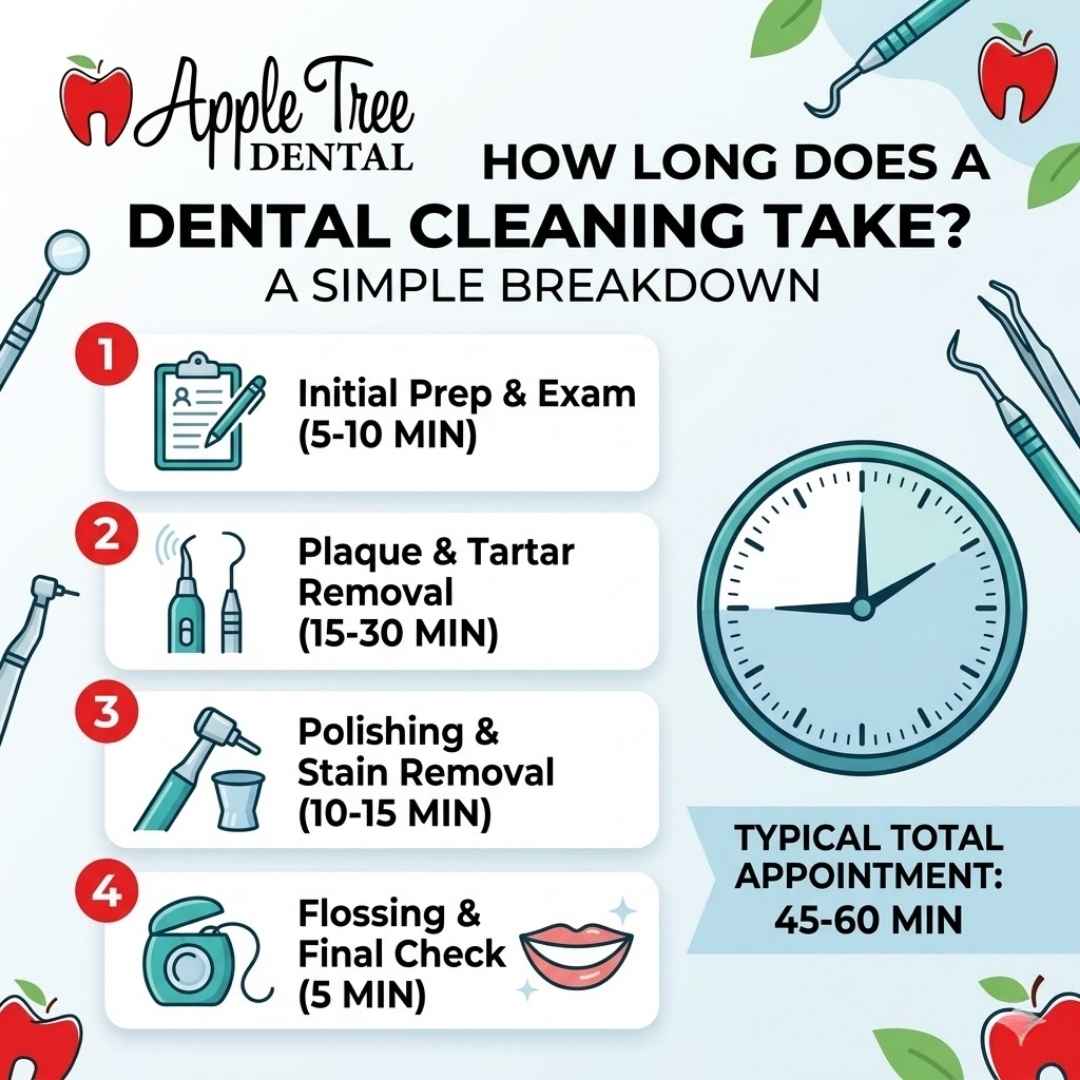
A dental cleaning at the dentist usually takes 30 to 60 minutes.
If it’s your first visit, the appointment may last 60–90 minutes. At Apple Tree Dental, most routine cleanings are completed within an hour, depending on your oral health and cleaning needs.

One of the most common questions patients ask before booking an appointment is: how long does a cleaning at the dentist take? Whether you’re visiting during a lunch break or scheduling your child’s checkup, knowing the timeline helps you plan your day with confidence.

At Apple Tree Dental in London, Ontario, professional dental cleanings are designed to be efficient, comfortable, and thorough—helping patients maintain healthy teeth and gums without unnecessary time in the chair.

This guide explains the complete dental cleaning timeline, what affects appointment length, and answers the most frequently asked questions.


Average Dental Cleaning Time (What Most Patients Experience)

Most patients can expect the following time ranges:

  • Routine dental cleaning: 30–60 minutes
  • First-time dental cleaning: 60–90 minutes
  • Children’s dental cleaning: 20–30 minutes
  • Deep cleaning (scaling & root planing): 1–2 hours (may require multiple visits)

Patients who visit Apple Tree Dental regularly often experience shorter, smoother appointments due to consistent preventive care.


Step-by-Step Dental Cleaning Timeline

Here’s how time is typically spent during a dental cleaning appointment:

1. Check-In & Oral Examination (5–10 minutes)

  • Review of dental and medical history
  • Examination of teeth and gums
  • X-rays if required (usually once a year)

2. Plaque & Tartar Removal (15–25 minutes)

  • Dental hygienist removes plaque and hardened tartar
  • More buildup means slightly more time
  • Mild scraping sensations are normal

3. Professional Teeth Polishing (5–10 minutes)

  • High-powered polishing tool
  • Removes surface stains from coffee, tea, or smoking
  • Leaves teeth smooth and clean

4. Flossing & Rinsing (3–5 minutes)

  • Professional flossing between teeth
  • Rinse to remove remaining debris

5. Fluoride Treatment (Optional – 3–5 minutes)

  • Strengthens tooth enamel
  • Often recommended for children and cavity-prone patients

6. Dentist’s Final Check (5 minutes)

  • Dentist reviews oral health
  • Discusses any concerns or follow-up care

⏱️ Total Time: 30–60 minutes


What Affects How Long a Dental Cleaning Takes?

Several factors influence appointment length:

Oral Health Condition

  • Heavy plaque or tartar buildup increases cleaning time
  • Gum disease may require deeper cleaning

Time Since Last Visit

  • Regular 6-month cleanings are quicker
  • Skipping visits can add extra time

Age of the Patient

  • Children’s cleanings are shorter
  • Adult cleanings are more detailed

Type of Dental Cleaning

  • Routine cleaning: 30–60 minutes
  • Deep cleaning: Longer, sometimes multiple visits
  • Periodontal maintenance: 45–60 minutes

How Long Does a First Dental Cleaning Take?

A first dental cleaning usually takes 60–90 minutes because it often includes:

  • Full-mouth X-rays
  • Gum health measurements
  • Comprehensive dental examination
  • Extra time for plaque and tartar removal

At Apple Tree Dental in London, Ontario, first visits are designed to be unhurried and informative, ensuring patients fully understand their oral health.


Dental Cleaning vs Deep Cleaning: Time Comparison

Type of CleaningAverage Duration
Routine dental cleaning30–60 minutes
First dental visit60–90 minutes
Deep cleaning (per quadrant)60–90 minutes
Child dental cleaning20–30 minutes
Dentist polishing teeth after cleaning

FAQs: How Long Does a Cleaning at the Dentist Take?

How long does a dental cleaning take without X-rays?

Usually 30–45 minutes, since imaging is skipped.

Is a dental cleaning 30 minutes or one hour?

Both are common. Most adults need 45–60 minutes.

Does dental cleaning take longer if you have sensitive teeth?

Sensitivity alone doesn’t increase time, but plaque buildup or gum inflammation can.

How much time should I plan for a dental cleaning appointment?

Plan about one hour, especially if it’s your first visit.

Can I go back to work after a dental cleaning?

Yes. Routine dental cleanings require no downtime.


Key Takeaway

So, how long does a cleaning at the dentist take?

For most patients, 30 to 60 minutes is all it takes to maintain a healthy smile.

Regular dental cleanings at Apple Tree Dental in London, Ontario help prevent cavities, gum disease, and more time-consuming treatments in the future.

Dental Implants vs Dentures: What’s Right for You?

Losing one or more teeth affects far more than your smile. It can change how you eat, speak, and feel about yourself. If you’re exploring dental implants vs dentures, you’re not alone—this is one of the most common questions dentists hear today.

At Apple Tree Dental, patients often ask: “Which option will feel more natural?” “Which lasts longer?”, and “What’s actually worth the investment?”
This guide is written to answer those questions clearly, honestly, and in depth—so you can make a confident, informed decision.


What Are Dental Implants?

Dental implants are permanent tooth replacements that consist of three parts:

  1. An implant post – a titanium screw placed into the jawbone
  2. Abutment – connects the implant to the crown
  3. Crown – the visible, natural-looking tooth

Once healed, implants function almost exactly like natural teeth.

A Brief History of Dental Implants

Modern dental implants date back to the 1950s, when researchers discovered that titanium bonds naturally with bone (a process called osseointegration). Since then, implant technology has advanced dramatically, with success rates now exceeding 95% for healthy patients.

“Dental implants are considered one of the most predictable procedures in modern dentistry when patients are properly assessed,” says Dr. Nagham Altalib.


What Are Dentures?

Dentures are removable prosthetic teeth designed to replace multiple missing teeth or full arches.

Types of Dentures

  • Full dentures – replace all teeth in the upper or lower jaw
  • Partial dentures – replace several missing teeth
  • Implant-supported dentures – dentures stabilized by implants

Dentures have been used for centuries and remain a common, accessible solution.

Background: How Dentures Have Evolved

Traditional dentures were often bulky and uncomfortable. Today’s dentures use lighter materials, improved aesthetics, and better customization—though they still rely on the gums for support.

Dental Implants vs Dentures

Dental Implants vs Dentures: Side-by-Side Comparison

1. Comfort & Feel

Dental Implants

  • Feel like natural teeth
  • No slipping or clicking
  • No pressure on gums

Dentures

  • May feel bulky
  • Can move while eating or speaking
  • Often require adhesives

Real-world scenario:
A patient in their 50s switched from lower dentures to implants because the denture kept lifting while talking. After implants, they reported feeling comfortable speaking in meetings again.


2. Chewing & Eating Ability

Implants

  • Restore nearly full biting force
  • Eat steak, apples, and nuts confidently

Dentures

  • Reduced chewing efficiency
  • Hard or sticky foods can be difficult

3. Bone Health & Facial Structure

Implants

  • Stimulate jawbone
  • Prevent bone loss
  • Help maintain facial shape

Dentures

  • Do not prevent bone loss
  • Over time, can lead to sunken facial appearance

This is one of the most critical long-term differences between dental implants vs dentures.


4. Longevity & Durability

Implants

  • Can last 20+ years, often a lifetime
  • Crowns may need replacement after 10–15 years

Dentures

  • Typically last 5–8 years
  • Require relining or replacement as bone changes

5. Maintenance & Daily Care

Implants

  • Brush and floss like natural teeth
  • No special cleaning products

Dentures

  • Must be removed daily
  • Require soaking and careful handling

6. Cost Considerations (Important Disclaimer)

Upfront costs for implants are higher, but long-term value is often better due to longevity and reduced maintenance.

Disclaimer: Costs vary depending on bone health, number of teeth replaced, and individual treatment needs. A dental exam is required for accurate pricing.


Who Is a Good Candidate for Dental Implants?

You may be suitable if you:

  • Have healthy gums
  • Have adequate jawbone (or are open to bone grafting)
  • Don’t smoke heavily
  • Can commit to oral hygiene

Age alone is not a limiting factor.


Who Might Be Better Suited for Dentures?

Dentures may be appropriate if you:

  • Want a lower upfront cost
  • Prefer a non-surgical option
  • Have medical conditions limiting surgery

Many patients start with dentures and later upgrade to implant-supported solutions.


Current Trends in Tooth Replacement

  • Implant-supported dentures are growing in popularity
  • Digital implant planning for precision placement
  • All-on-4® style treatments reduce treatment time
  • Greater focus on bone preservation and long-term oral health

The Future of Dental Implants vs Dentures

Looking ahead, expect:

  • Faster healing implant surfaces
  • Less invasive surgical techniques
  • More affordable implant solutions
  • Increased use of AI-guided treatment planning

Research continues to improve comfort, predictability, and accessibility.


Frequently Asked Questions

Are dental implants painful?

Most patients report mild discomfort, similar to a tooth extraction. Pain is typically manageable with over-the-counter medication.

How long does the implant process take?

From placement to final crown, the process can take 3–6 months, depending on healing and whether bone grafting is needed.

Can dentures be worn at night?

Dentists usually recommend removing dentures at night to allow gums to rest and reduce infection risk.

Do implants ever fail?

Failures are rare but can occur due to smoking, poor oral hygiene, or uncontrolled medical conditions.

Are dental implants safe?

Yes. Dental implants are supported by decades of clinical research and are widely used worldwide.


How to Decide: A Simple Framework

Ask yourself:

  1. Do I want a fixed or removable solution?
  2. Am I thinking short-term affordability or long-term value?
  3. How important are comfort, confidence, and bone health to me?

A personalized consultation is always the best next step.


Conclusion: Dental Implants vs Dentures—Which Is Right for You?

There’s no universal answer. Dental implants offer unmatched stability, comfort, and long-term oral health benefits. Dentures remain a practical, accessible solution for many patients.

At Apple Tree Dental, the goal isn’t to push one option—it’s to help you choose what truly fits your health, lifestyle, and goals.