What Does Dental Pain Really Mean? Causes, Relief & When Should I See a Dentist

Dental pain can be confusing, stressful, and sometimes frightening. I see this regularly in my dental clinic. Patients often arrive worried because the discomfort started suddenly or gradually worsened. Many tell me they spent hours searching “dental near me” before deciding to book an appointment.

If you’re experiencing dental discomfort right now, take a breath. Pain doesn’t always signal a serious emergency — but it always deserves attention.

Let me walk you through what dental pain may indicate and how I guide patients through it.


Understanding Dental Pain: Why It Happens

Dental pain is your body’s warning system. It typically appears when something irritates the tooth, nerve, gums, or surrounding tissues.

In my clinical experience, pain most commonly stems from:

  • Tooth decay
  • Enamel wear
  • Gum inflammation
  • Cracked teeth
  • Bite imbalance
  • Infection

The key is recognizing the type and pattern of discomfort.


Not All Dental Pain Feels the Same

One of the biggest misconceptions I encounter is assuming every toothache means infection. That simply isn’t true.

1. Mild Sensitivity or Temporary Discomfort

This usually feels:

  • Short-lived
  • Triggered by cold, heat, or sweets
  • Manageable

Common causes include enamel thinning, recent dental treatment, or temporary gum irritation.

In many cases, this improves within a few days.


2. Inflammation Inside the Tooth (Pulpitis)

When the tooth nerve becomes irritated, symptoms shift:

  • Sharp sensitivity
  • Lingering discomfort
  • Pain while biting

Early evaluation at a dental office can often prevent more complex procedures.


3. Infection or Dental Abscess

Infection produces stronger warning signs:

  • Persistent throbbing
  • Increasing intensity
  • Pain at night
  • Swelling
  • Pressure sensation

At this stage, professional care at a dental clinic near me becomes essential.


How Dental Pain Typically Progresses

Dental pain rarely jumps from “nothing” to “severe” overnight. It often follows a predictable pattern:

  1. Occasional sensitivity
  2. Repeated discomfort
  3. Constant ache
  4. Severe throbbing
  5. Swelling or pressure

Patients frequently tell me, “It started months ago but didn’t bother me much.” This gradual escalation is extremely common.


Pain Location: Important Diagnostic Clues

Where the pain occurs often helps identify the cause.

Front Teeth Pain

May indicate:

  • Enamel erosion
  • Trauma
  • Gum recession
  • Bite stress

Back Tooth Pain

Often linked to:

  • Cavities
  • Cracked teeth
  • Grinding (bruxism)
  • Infection

Gum Pain

Possible causes:

  • Gingivitis
  • Periodontal inflammation
  • Trapped food or plaque

Jaw or Ear-Like Pain

Dental nerves can refer pain. A molar issue may feel like ear discomfort or jaw tension.


What I Recommend First (Safe Immediate Steps)

Before panic sets in, I encourage patients to take calm, safe measures.

What To Do

Rinse With Warm Salt Water
Helps soothe irritated gum tissues.

Floss Gently
Removes trapped debris.

Apply Cold Compress Externally
Reduces inflammation.

Use Over-the-Counter Pain Relief (If Suitable)
Follow dosage instructions carefully.

Observe Pain Triggers
Cold? Heat? Pressure? Nighttime?

These details help your dentist diagnose efficiently.


What NOT To Do

Do NOT place aspirin on the tooth
This can burn gum tissue.

Do NOT apply heat to the face
Heat may worsen infection.

Do NOT ignore swelling
Swelling is never normal.

Do NOT rely solely on home remedies
They rarely treat underlying causes.


You’re Not Overreacting

Dental pain affects sleep, concentration, eating, and emotional well-being. Many patients apologize for “making a fuss.”

You’re not alone — and you’re not exaggerating.

Pain is a legitimate medical signal.


When NOT to Google

Online research helps, but certain symptoms require immediate professional care.

Visit a Dental Clinic Immediately If You Notice:

  • Facial swelling
  • Fever
  • Severe unrelenting pain
  • Difficulty swallowing
  • Pus or foul taste
  • Broken or knocked-out tooth

These signs may indicate infection or abscess requiring urgent treatment at a dental clinic.


Searching “Dental Clinic Near Me”? What to Consider

When looking for a dental clinic near me, I suggest evaluating:

  • Professional qualifications
  • Emergency availability
  • Clear treatment explanations
  • Patient-centered care

Quality and trust matter far more than proximity alone.


Prevention: The Most Reliable Pain Strategy

Most severe dental emergencies begin as small, manageable issues.

Core Preventive Habits

  • Routine dental exams
  • Professional cleanings
  • Early sensitivity evaluation
  • Night guards for grinding
  • Consistent oral hygiene

Preventive care protects enamel, nerves, and periodontal tissues.


Dental Braces vs Invisalign: Can Alignment Influence Pain?

Yes. Bite imbalance can contribute to pressure-related discomfort, jaw strain, and uneven tooth wear.

Dental Braces

  • Fixed appliances
  • Ideal for complex corrections
  • Temporary soreness expected

Invisalign

  • Removable aligners
  • Discreet appearance
  • Requires consistent wear

Both options improve occlusion, which may reduce long-term mechanical stress.


Understanding Coverage & Dental Plan Canada Discussions

Patients sometimes ask about systems like a dental plan Canada provides when comparing insurance or relocation scenarios.

Coverage structures vary by:

  • Employer benefits
  • Provincial programs
  • Private insurance

Regardless of location, prevention remains the most cost-effective strategy.


Why Professional Standards Matter

Organizations such as the Ontario Dental Association help maintain:

  • Ethical guidelines
  • Continuing education
  • Evidence-based care standards

These frameworks strengthen patient safety and treatment quality.


My Final Advice

If dental pain appears:

Pause
Assess
Take safe interim steps
Seek evaluation when symptoms persist or worsen

Pain rarely resolves permanently without addressing its root cause.


Frequently Asked Questions

Is throbbing dental pain always an infection?

Not always. However, persistent throbbing often suggests inflammation or infection affecting the tooth nerve.


How long should tooth sensitivity last?

Mild sensitivity may resolve within days. If it persists beyond 1–2 weeks, clinical evaluation is recommended.


Can dental pain disappear without treatment?

Symptoms may temporarily fade, but untreated decay or infection usually progresses silently.


Is swelling from a tooth serious?

Yes. Swelling may indicate infection and requires prompt dental care.


Should I search “dental near me” for mild discomfort?

Short-lived, mild discomfort can be monitored briefly. Persistent or worsening pain should be examined by a dentist.


About the Author

Dr. Nagham Altalib is a licensed dental professional practicing at Apple Tree Dental in London, Ontario. She has extensive clinical experience in patient care, oral pain diagnosis, restorative dentistry, orthodontics, prosthodontics, and preventive dental health.

Dr. Altalib’s work focuses on evidence-based dentistry, early diagnosis, minimally invasive treatment, and long-term oral wellness. Her clinical approach aligns with modern dental standards and patient safety frameworks referenced by organizations such as the American Dental Association (ADA), Canadian Dental Association (CDA), and Ontario Dental Association.


How This Article Was Created

This article is based on established dental science, real-world clinical observations, and patient education principles consistent with recognized professional guidelines. No fabricated statistics or exaggerated claims were used.

Sources of clinical alignment include:

The goal is to provide accurate, responsible, and patient-focused dental guidance.

Conclusion: Listen to What Your Dental Pain Is Telling You

Dental pain is rarely random. In most cases, it reflects sensitivity, inflammation, mechanical stress, or infection developing beneath the surface. While some discomfort may be temporary, persistent or worsening pain usually signals a problem that needs professional evaluation.

I always remind patients of something simple but important: early attention prevents complex treatment. A small cavity is easier to manage than an abscess. Mild sensitivity is easier to address than nerve damage. Waiting often allows conditions to progress quietly.

Children’s Dentist in London, Ontario: A Parent’s Practical Guide to Healthy, Happy Smiles

Choosing the right childrens dentist in London, Ontario can feel like a big decision. You want a clinic that understands children, communicates clearly, and makes visits feel safe rather than stressful. If you’ve recently searched for terms like childrens dentist near me, children dentist near me, or children’s dentist near me, you’re likely looking for care that balances clinical excellence with genuine patience.

This guide walks you through what pediatric dental care involves, how to recognize potential problems, and when to seek professional help.


Why Pediatric Dental Care Is Different

Childrens dentists receive focused training in:

  • Growth and development of teeth and jaws
  • Preventive dentistry for cavity-prone years
  • Behavior guidance and anxiety reduction
  • Early detection of alignment concerns

Professional organizations such as the American Dental Association (ADA) and the Canadian Dental Association (CDA) recommend a child’s first dental visit by age one or within six months of the first tooth eruption. Early visits are not just about teeth — they build comfort, familiarity, and preventive habits.


When Should You Visit a Children’s Dentist?

Parents often delay because their child “seems fine.” Preventive visits matter even when no symptoms are obvious.

Consider booking with childrens dentists near me if your child has:

  • Tooth sensitivity or pain
  • White, brown, or dark spots on teeth
  • Bleeding gums
  • Persistent bad breath
  • Difficulty chewing
  • Early tooth loss
  • Thumb-sucking beyond early childhood

Routine six-month checkups remain the general guideline unless your dentist recommends otherwise.


Understanding Dental Pain in Children

Children may not describe discomfort clearly. Observing pain location can offer helpful clues.

Front Teeth Pain

May be associated with:

  • Minor trauma from falls
  • Enamel wear
  • Gum irritation

Back Teeth Pain

Often linked to:

  • Cavities in molars
  • Food trapping
  • Erupting permanent teeth

Gum Pain

May indicate:

  • Teething inflammation
  • Gingivitis
  • Local irritation

Jaw or Ear-Area Discomfort

Possible causes:

  • Teeth grinding (bruxism)
  • Bite pressure
  • Referred pain

Pain that persists, worsens, or interferes with eating deserves evaluation by a children dentist near me.


Step-by-Step Solutions: What To Do

When your child complains of tooth pain:

1. Stay Calm
Your reaction shapes your child’s response.

2. Gently Inspect
Look for swelling, redness, visible debris, or injury.

3. Rinse With Lukewarm Water
Helps clear trapped food particles.

4. Apply a Cold Compress (If Swollen)
Use externally for 10–15 minutes.

5. Schedule a Dental Visit Promptly
Searching for a children’s dentist near me can help you act quickly.

6. Continue Gentle Brushing
Avoid skipping oral hygiene around sensitive teeth.


What NOT To Do

Avoid common mistakes that may worsen discomfort:

  • Do not place aspirin directly on gums
  • Avoid ignoring recurring pain
  • Do not delay professional evaluation
  • Avoid adult-strength medications without guidance
  • Do not rely solely on internet searches

Emotional Reassurance for Parents

If your child fears the dentist, you’re not alone. Dental anxiety is extremely common in children. Many parents worry about tears, resistance, or negative experiences.

Modern pediatric-focused clinics use:

  • Child-friendly communication
  • Gradual exposure techniques
  • Positive reinforcement
  • Calm, supportive environments

A compassionate children’s dentist near me understands both the clinical and emotional sides of pediatric care.


“When NOT to Google”

Stop researching and seek immediate dental care if your child has:

  • Facial swelling
  • Fever with dental pain
  • A knocked-out or broken tooth
  • Bleeding that doesn’t stop
  • Severe or escalating pain
  • Signs of infection (pus, unusual discharge)

These situations may require urgent treatment.


Recovery Timeline: What Parents Can Expect

Mild Sensitivity or Irritation

Often improves within days after cleaning or fluoride treatment.

Cavities

Typically treated with fillings. Most children resume normal activities the same day.

Dental Injuries

Healing depends on severity. Follow-up visits are important.

Untreated Dental Problems

Possible complications:

  • Infection
  • Increased pain
  • Difficulty eating
  • Effects on permanent teeth

Early care usually means simpler, more comfortable treatment.


Common Pediatric Dental Treatments

Understanding treatments reduces fear and uncertainty.

Dental Fillings

Repair teeth affected by cavities and stop decay progression.

Fluoride Treatments

Strengthen enamel and help protect against decay.

Dental Sealants

Protect molars from food and bacteria buildup.

Space Maintainers

Preserve alignment when baby teeth are lost too early.

Guidelines from the ADA and CDA consistently emphasize prevention and early intervention.


Prevention: The Most Powerful Strategy

Healthy daily habits make a significant difference.

At-Home Care

  • Brush twice daily using fluoride toothpaste
  • Floss once teeth contact
  • Limit sugary snacks and drinks
  • Encourage water between meals

Professional Prevention

  • Regular checkups
  • Professional cleanings
  • Fluoride applications
  • Sealants when appropriate

Preventive care reduces the likelihood of pain and complex procedures.


Choosing the Right Children’s Dentist in London, Ontario

If you’re comparing childrens dentists or searching childrens dentist near me, consider:

  • Experience with pediatric patients
  • Calm, welcoming clinic environment
  • Preventive care philosophy
  • Clear communication style
  • Emergency care availability

Families across London, Ontario often value clinics that combine gentle care with strong preventive focus.


Quick Answers for Voice Search

When should my child first see a dentist?
By age one or within six months of the first tooth eruption.

What if my child has tooth pain?
Rinse gently, observe symptoms, and schedule a dental visit.

Are baby tooth cavities serious?
Yes. Untreated decay can affect comfort and development.


Frequently Asked Questions

1. How do I know if my child needs a dentist visit?

Look for pain, sensitivity, visible spots, bleeding gums, chewing difficulty, or persistent bad breath.


2. How often should children see a dentist?

Most benefit from visits every six months unless advised otherwise.


3. Are dental X-rays safe for children?

Yes. Dentists use minimal radiation and only when clinically necessary. Digital imaging further reduces exposure.


4. What if my child is scared of the dentist?

Fear is normal. Pediatric dental teams use behavior guidance and positive reinforcement to build comfort.


5. Can untreated baby teeth affect adult teeth?

Yes. Decay or infection can influence eruption, alignment, and oral health.


Supporting Your Child’s Smile Starts Early

Positive early experiences shape lifelong attitudes toward oral health. If you’re searching for a childrens dentist near me, comparing childrens dentists near me, or looking for a gentle, prevention-focused clinic in London, ON, scheduling a visit can bring clarity and peace of mind.

Apple Tree Dental in London, Ontario provides child-centered care designed to help young patients feel calm, respected, and confident.


How This Article Was Created

This content is based on established pediatric dental principles and guidance from trusted authorities, including:

No exaggerated claims or unverified statistics were included. The goal is to provide reliable, parent-friendly education grounded in clinical standards.

Are Braces Covered by Dental Insurance? A Patient-Friendly Guide in London, Ontario

If you’re wondering, “are braces covered by dental insurance?”, you’re asking one of the most common questions I hear from patients considering orthodontic treatment.

The honest answer: coverage varies widely. Some insurance plans help significantly, while others offer limited or no orthodontic benefits.

Are braces covered by dental insurance? Coverage varies by plan. Many Canadian dental policies offer partial orthodontic benefits with lifetime limits, age restrictions, and pre-authorization requirements.


What Determines If Braces Are Covered?

Orthodontic coverage depends on the specific details of your dental insurance plan, not simply whether you have insurance.

Key Factors That Affect Coverage

Orthodontic Benefits Inclusion
Not all plans include orthodontics. Many basic policies exclude braces entirely.

Lifetime Maximums
Most orthodontic benefits have a lifetime cap, not an annual limit.

Age Restrictions
Coverage often applies only to dependents under 18.

Coverage Percentage
Plans may reimburse 25%–50% of eligible costs.

Waiting Periods
Some policies require months of enrollment before eligibility.


Does Insurance Cover Braces in Canada?

In Canada, braces are not universally covered.

Guidance from the Canadian Dental Association (CDA) and major insurers shows:

  • Orthodontics is typically optional coverage
  • Lifetime maximums are standard
  • Adult braces coverage is less common
  • Pre-authorization is frequently required

This is why I always advise patients to verify benefits before starting treatment.


Are Braces Covered by Dental Insurance in Ontario?

Ontario patients often assume braces fall under routine dental benefits — but orthodontics usually sits in a separate category.

Coverage depends on:

✔ Employer-sponsored plans
✔ Private insurance policies
✔ Enhanced dental packages

Important note: OHIP generally does not cover braces unless tied to specific medical conditions.


Step-by-Step: What To Do Before Getting Braces

What I Recommend Doing

Step 1 – Read Your Policy Carefully
Look for:

  • “Orthodontic coverage”
  • Lifetime orthodontic maximum
  • Age limits
  • Waiting periods
  • Exclusions

Step 2 – Request a Pre-Determination
Ask your dental clinic to submit a treatment estimate to your insurer.

This confirms:

✔ Coverage eligibility
✔ Reimbursement percentage
✔ Remaining lifetime balance


Step 3 – Discuss Payment Options
Clinics like Apple Tree Dental in London, Ontario often provide structured payment plans.


Step 4 – Compare Treatment Choices

Consider:

  • Traditional braces
  • Ceramic braces
  • Clear aligners

What NOT To Do

  • Don’t assume braces are covered
  • Don’t skip insurance verification
  • Don’t choose based only on cost
  • Don’t delay necessary treatment

Invisalign vs Braces: How I Help Patients Decide

Patients frequently ask me about Invisalign vs braces, especially when insurance coverage differs.


Traditional Braces

✔ Excellent for complex corrections
✔ Fixed to teeth
✔ No compliance risk


Invisalign / Clear Aligners

✔ Nearly invisible
✔ Removable
✔ Requires consistent wear


Is Invisalign Better Than Braces?

There’s no universal winner.

It depends on:

  • Bite complexity
  • Tooth movement needs
  • Lifestyle
  • Patient discipline

For intricate bite corrections, braces may offer more precise control.


Is Invisalign Faster Than Braces?

Sometimes — but only in specific cases.

Treatment duration depends on:

✔ Case severity
✔ Biological tooth response
✔ Patient compliance

For mild alignment issues, aligners may work faster. Complex corrections often take similar time.


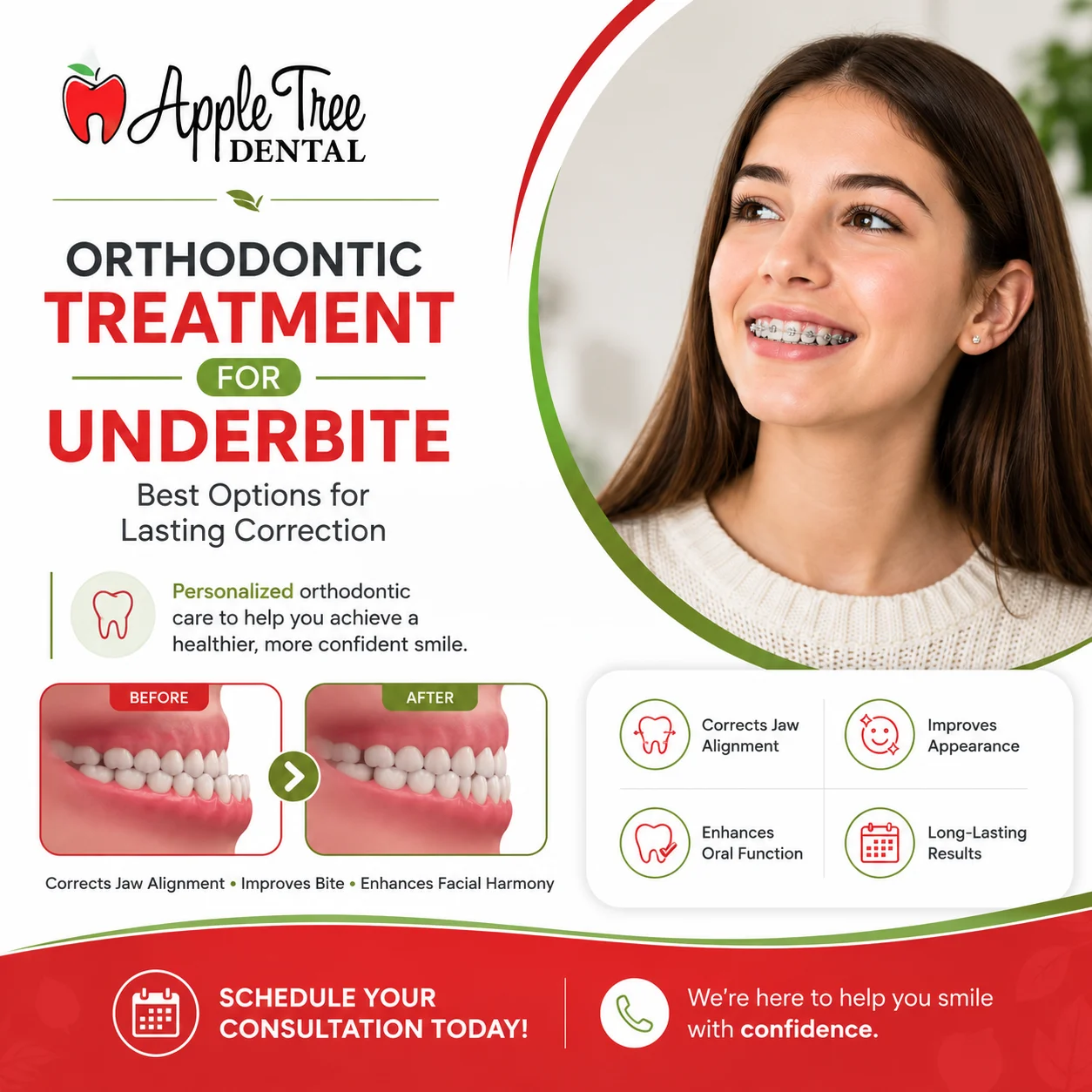
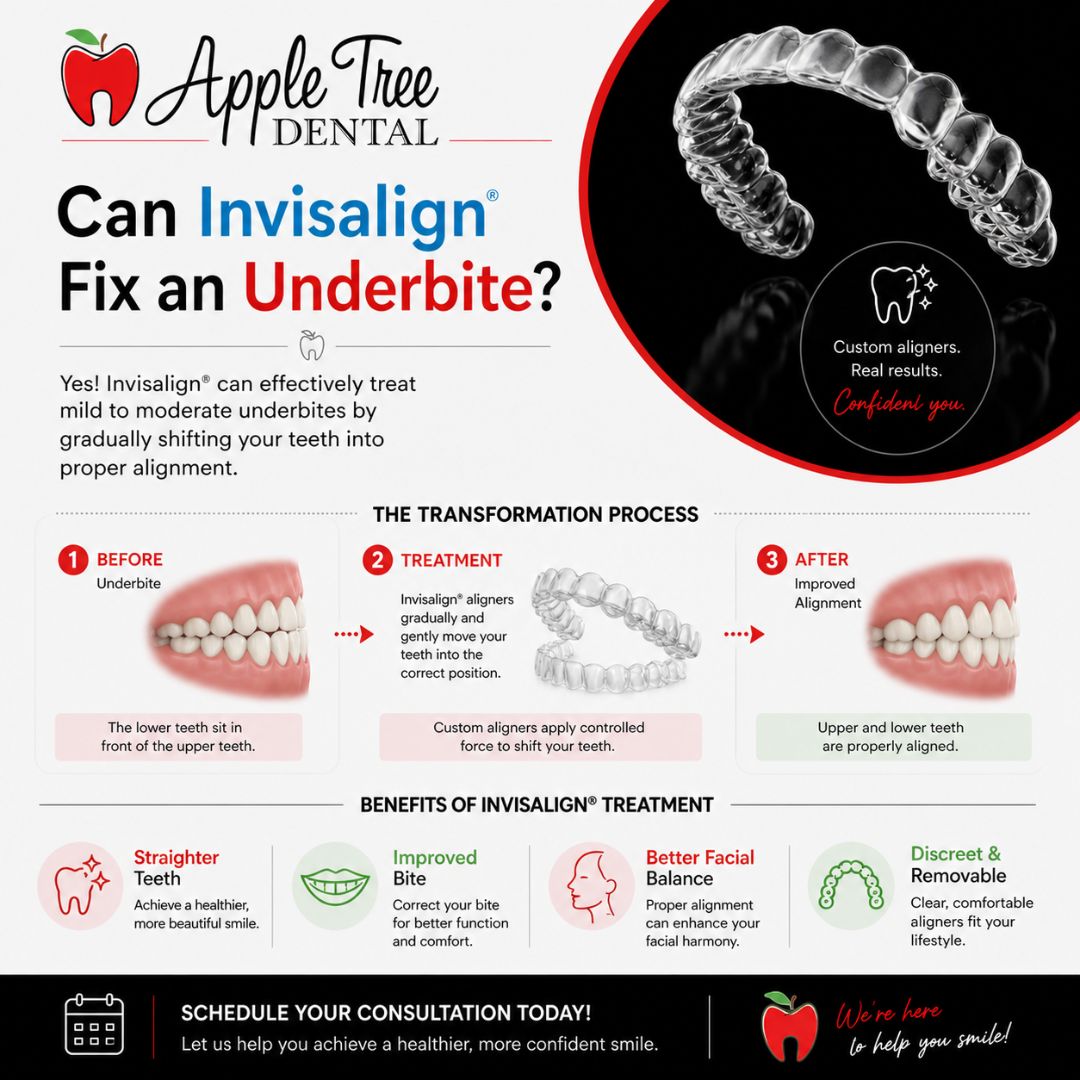
Do Braces Fix Underbite?

Yes, many underbites respond well to braces.

Braces can help by:

  • Aligning teeth
  • Using elastics to guide bite
  • Improving jaw coordination

Severe skeletal underbites may require combined orthodontic and surgical care.


The Emotional Side of Orthodontic Treatment

I understand how overwhelming this decision can feel.

Between:

  • Insurance confusion
  • Cost concerns
  • Treatment anxiety

…it’s completely normal to feel uncertain.

You’re not alone — and clarity always begins with the right information.


Let’s Talk About Braces Discomfort (Because It Happens)

Mild soreness is a normal part of tooth movement.


Common Sensations

  • Pressure after adjustments
  • Tooth tenderness
  • Cheek irritation
  • Bite sensitivity

Discomfort usually peaks within 24–72 hours.


Pain Locations & What They May Indicate

Front Teeth Sensitivity

Normal after tightening
Usually temporary


Back Teeth Pressure

Common during bite adjustments
Typically improves quickly


Jaw Discomfort

May relate to elastics or clenching
Should ease with adaptation


Soft Tissue Irritation

Caused by bracket friction
Orthodontic wax helps significantly


Step-by-Step Relief for Braces Soreness

What To Do

✔ Use orthodontic wax
✔ Rinse with warm saltwater
✔ Eat soft foods
✔ Maintain oral hygiene
✔ Use dentist-recommended pain relief


What NOT To Do

✖ Don’t cut wires yourself
✖ Don’t ignore sharp pain
✖ Don’t stop wearing elastics
✖ Don’t skip adjustments


When NOT To Google — Seek Dental Care Immediately

Stop reading and contact a dentist if you notice:

  • Severe or worsening pain
  • Swelling of gums or face
  • Broken wires injure tissue
  • Loose brackets are causing trauma
  • Signs of infection

These symptoms require clinical evaluation.


Recovery Timeline: What to Expect

First Week

✔ Initial soreness
✔ Adjustment period
✔ Minor irritation


First Month

✔ Improved comfort
✔ Eating becomes easier
✔ Routine established


Ongoing Treatment

✔ Short soreness cycles
✔ Gradual tooth movement


Risks of Untreated Orthodontic Problems

Ignoring alignment or bite issues may lead to:

  • Uneven tooth wear
  • Jaw strain
  • Gum stress
  • Bite dysfunction

Early intervention protects long-term oral health.


Smart Insurance & Cost Planning Tips

From my clinical experience, patients benefit when they:

✔ Confirm orthodontic benefits early
✔ Use Health Spending Accounts (HSA)
✔ Understand lifetime maximums
✔ Explore payment plans

Clinics such as Apple Tree Dental (London, Ontario) often assist with insurance coordination.

Are braces covered by dental insurance?
Coverage depends on your dental insurance plan. Many Canadian policies provide partial orthodontic benefits with lifetime maximums, age limits, and pre-authorization requirements. Some plans exclude adult braces entirely, while others reimburse a percentage of treatment costs.


Frequently Asked Questions

Are braces covered by dental insurance for adults?

Sometimes. Many plans restrict orthodontics to dependents. Adult coverage varies.


Does insurance cover braces in Canada fully?

Rarely. Most policies cover a percentage up to a lifetime maximum.


Is Invisalign better than braces?

It depends on your case and lifestyle. Both are effective when prescribed appropriately.


Is Invisalign faster than braces?

For mild corrections, it can be. Complex cases may take similar time.


Do braces fix an underbite permanently?

In many cases, yes — especially with proper planning and compliance.


Are payment plans available for braces?

Most modern clinics offer structured monthly options.


Can I use HSA for braces in Canada?

Yes, orthodontic treatment often qualifies as an eligible medical expense.


How This Article Was Created

This article is based on:

No fake statistics, exaggerated claims, or unverified data were used. The content reflects clinically responsible dental guidance and real-world orthodontic considerations.


Final Thought

If you’re still asking, “are braces covered by dental insurance?”, the best next step is simple:

✔ Verify your benefits
✔ Get a professional evaluation
✔ Understand your options

If you’re in London, Ontario, a consultation can provide clarity tailored to your smile, your bite, and your insurance plan.

Family Dental in London, Ontario: Why One Clinic Simplifies Your Care

Managing oral health shouldn’t feel complicated. Yet many families still juggle separate providers for children, adults, and seniors — leading to fragmented records, repeated paperwork, and scheduling stress. Choosing a family dental clinic offers a smarter, more streamlined approach. For households in London, Ontario, this model delivers convenience, continuity, and preventive-focused care under one roof.

Whether you’re looking for a dental family dentist, comparing options for family dental care, or exploring eligibility under Canada dental care, understanding how a family clinic simplifies treatment can help you make confident long-term decisions.


What Does “Family Dental” Really Mean?

A family dental care clinic treats patients at every life stage:

  • Young children
  • Teens
  • Adults
  • Seniors

Instead of referring you elsewhere for age-specific needs, a family dentist provides comprehensive preventive, restorative, and diagnostic services for the entire household.

Typical services include:

✔ Dental exams & professional cleanings
✔ Pediatric dentistry
✔ Fillings & crowns
✔ Gum care
✔ Teeth whitening
✔ Emergency dental care


1. Centralized Records = Smarter Preventive Care

When your whole family visits the same clinic, your dental history stays connected. This continuity allows a Canadian dentist to detect patterns that influence long-term oral health.

Examples:

  • Genetic cavity susceptibility
  • Shared bite or alignment concerns
  • Family-linked gum conditions

With centralized records, treatment planning becomes more precise — and prevention becomes proactive instead of reactive.


2. Easier Scheduling for Busy London Families

Life moves quickly in London, Ontario. Between work, school, and activities, coordinating multiple clinics can become exhausting.

A family dental clinic allows:

✔ Back-to-back appointments
✔ Multiple family members in one visit
✔ Fewer trips across the city

This efficiency often means fewer missed checkups and better consistency in family dental care routines.


3. Reduced Anxiety — Especially for Children

Children feel more comfortable in familiar environments. Seeing the same dentist as parents or siblings can normalize visits and reduce fear.

Benefits include:

  • Recognizable staff
  • Predictable setting
  • Gradual trust building

Over time, dental care becomes part of regular wellness — not a stressful event.


4. Prevention That Protects Your Budget

Preventive dentistry is significantly more affordable than restorative treatment. Family clinics emphasize:

✔ Routine exams
✔ Professional cleanings
✔ Fluoride & sealants
✔ Early cavity detection
✔ Oral hygiene coaching

This approach aligns closely with the objectives of Canada dental care programs, which aim to improve access to preventive services.

If you’ve searched CDCP dentist near me, many family clinics in London support eligible patients. Confirming coverage directly with your provider ensures clarity.


5. Care That Evolves With Every Life Stage

Dental needs change over time:

Age GroupCommon Needs
ChildrenGrowth monitoring, cavity prevention
TeensOrthodontic evaluation
AdultsRestorative & cosmetic care
SeniorsGum care, tooth replacement

A dental family dentist adapts treatment as your family grows — removing the need to switch providers repeatedly.


Why This Matters in London, Ontario

London’s expanding population includes young families, working professionals, and retirees — all with evolving dental priorities:

  • Convenience
  • Insurance compatibility
  • Preventive care
  • Emergency readiness

Choosing a local clinic ensures your dentist understands regional healthcare frameworks and patient expectations.


How to Choose the Right Family Dentist in London, Ontario

When evaluating a family dental clinic, consider:

✔ Comprehensive Services

Ensure care for toddlers through seniors.

✔ Preventive Philosophy

Prioritize clinics focused on education & early detection.

✔ Insurance & Program Support

Ask about employer plans and Canada dental care participation.

✔ Communication Style

A good family dentist explains options clearly and supports informed decisions.


Quick Voice Search Answer

Question: Why choose a family dental clinic in London, Ontario?
Answer: A family dental clinic simplifies care by offering centralized dental records, easier scheduling, preventive treatments, and age-inclusive services for children, adults, and seniors.


The Long-Term Advantage of Family Dental Care

Consistency matters in oral health. A connected care model improves:

✔ Early detection
✔ Preventive outcomes
✔ Patient comfort
✔ Treatment efficiency

For families in London, Ontario, choosing a clinic designed for everyone can significantly reduce complexity while improving overall dental wellness.


Internal Care Pathways You May Explore

  • Preventive Dentistry
  • Children’s Dentistry
  • Teeth Whitening
  • Emergency Dental Care

Example contextual anchor:

Preventive visits help avoid major treatments. Learn how our family dental care services support long-term oral health before small issues become larger concerns.


External Health Context

For broader medical insights related to oral-systemic health, patients sometimes consult resources like Canada Doctor for general educational reading.


Conclusion

A family dental clinic is more than a convenience — it’s a continuity-driven healthcare decision. By centralizing care, simplifying scheduling, and emphasizing prevention, families benefit from a smoother, more predictable dental experience.

For residents of London, Ontario, selecting a clinic equipped to treat every generation means:

✔ Less stress
✔ Better prevention
✔ Stronger relationships with your dentist
✔ Smarter long-term outcomes


People Also Ask

Is a family dentist suitable for young children?

Yes. Family dentists are trained to treat children and monitor early oral development.

Can parents and children book appointments together?

Most family dental care clinics offer coordinated scheduling for convenience.

Does Canada dental care apply at family clinics?

Many clinics accept eligible coverage. Always verify participation before booking.

How often should families see a dentist?

Generally every six months, though frequency may vary based on oral health needs.

What’s the difference between a family dentist and a specialist?

Family dentists provide broad care across ages, while specialists focus on specific treatments.


Medically Reviewed by Dr. Nagham Altalib
Apple Tree Dental – Family Dentist in London, Ontario


Frequently Asked Questions

What services are included in family dental care?

Family dental care typically covers exams, cleanings, pediatric dentistry, fillings, crowns, gum treatments, whitening, and emergency care.

At what age should my child first visit a dentist?

Ideally by age one or within six months of the first tooth eruption.

Is visiting a family dentist cost-effective?

Yes. Preventive-focused family dentistry can reduce expensive restorative procedures.

How do I find a CDCP dentist near me in London, Ontario?

Contact local clinics directly to confirm eligibility and participation.

Can adults receive cosmetic treatments at a family dental clinic?

Most clinics provide cosmetic options such as teeth whitening and smile enhancements.

Dental Braces vs Invisalign: Which Is Better for Your Smile & Budget?

Choosing between dental braces vs Invisalign is a common decision for people looking to straighten their teeth and improve oral health. Both treatments are effective, but they differ in appearance, comfort, cost, and suitability for different dental conditions.

If you’re considering orthodontic treatment in London, Ontario, this guide will help you understand which option is right for your smile, lifestyle, and budget.


Quick Summary

When comparing dental braces vs Invisalign, braces are more effective for complex tooth and bite alignment, while Invisalign is ideal for mild to moderate correction and offers a discreet appearance. Costs vary depending on treatment complexity, and a professional dental evaluation is the best way to choose the right option.


What Are Dental Braces?

Dental braces use brackets and wires that stay fixed on the teeth. They apply controlled pressure over time to move teeth into proper alignment.

Types of Dental Braces

  • Metal braces
  • Ceramic (tooth-coloured) braces
  • Self-ligating braces

Dental braces remain one of the most precise and reliable orthodontic treatments, especially for complex cases.

Dental Braces Are Commonly Used For:

  • Crowded or overlapping teeth
  • Large gaps between teeth
  • Overbite, underbite, or crossbite
  • Jaw alignment concerns
  • Children and teens needing guided correction

What Is Invisalign?

Invisalign uses a series of clear, removable aligners custom-made to fit your teeth. Each aligner gradually shifts teeth into place.

Because aligners are nearly invisible, Invisalign is popular with adults and teens who want a less noticeable orthodontic option.

Invisalign Works Best For:

  • Mild to moderate misalignment
  • Small gaps or spacing issues
  • Minor bite concerns
  • Patients who prefer removable treatment

Dental Braces vs Invisalign: Key Differences

Appearance

  • Dental Braces: Visible, though ceramic options blend better
  • Invisalign: Clear and discreet

Comfort

  • Dental Braces: Some soreness after adjustments
  • Invisalign: Smooth aligners with less irritation

Effectiveness

  • Dental Braces: Ideal for complex orthodontic issues
  • Invisalign: Best for simpler alignment cases

Daily Use

  • Dental Braces: Fixed and always working
  • Invisalign: Must be worn 20–22 hours daily

Eating and Oral Hygiene

  • Dental Braces: Certain foods should be avoided
  • Invisalign: Aligners are removed for eating and brushing

Which Option Is Better for Your Budget?

For complex alignment problems, dental braces may offer better value, as they provide consistent results without relying on patient compliance.

Invisalign may cost more, but many patients find the benefits—such as comfort, appearance, and flexibility—worth the investment.

A personalized dental consultation is the most accurate way to compare value, not just cost.


Not Sure Which Option Is Right for You?

Choosing between braces and Invisalign depends on your teeth, bite, and long-term goals. Starting the right treatment early can reduce treatment time and overall cost.

Book an orthodontic consultation at Apple Tree dental to receive a customized treatment plan designed around your smile.


Why Professional Experience Matters

Orthodontic outcomes depend not only on the system used, but also on the experience of the dentist.

At Apple Tree Dental, orthodontic care is guided by Dr. Nagham Altalib, whose background includes:

  • International dental education
  • Experience in orthodontics and prosthodontics
  • A strong focus on family and child dental care

Her approach emphasizes accurate diagnosis, patient comfort, and long-term oral health.


Braces or Invisalign for Children and Teens?

  • Dental braces are often recommended for children because they do not rely on remembering to wear aligners.
  • Invisalign Teen may be suitable for responsible teens with mild alignment concerns.

Parents in London, Ontario frequently choose braces for younger patients due to predictable results.


Braces or Invisalign for Adults?

Adults often prefer Invisalign for its discreet appearance and convenience. However, adults with complex bite or spacing issues may still benefit more from dental braces.


Safety and Dental Standards in Canada

Orthodontic care in Canada follows strict clinical and safety guidelines. According to the Canadian Dental Association, proper diagnosis, treatment planning, and follow-up care are essential for safe and effective orthodontic treatment.


Clinical Review & Accuracy

This content has been clinically reviewed for accuracy and relevance by Dr. Nagham Altalib, ensuring alignment with current Canadian dental standards and patient care best practices.


Frequently Asked Questions

What is the difference between dental braces and Invisalign?

Dental braces use fixed brackets and wires.
Invisalign uses removable clear aligners.

Which is better, dental braces or Invisalign?

Dental braces are better for complex alignment.
Invisalign is better for mild to moderate cases.

Is Invisalign more expensive than braces?

Invisalign usually costs slightly more.
Exact pricing depends on treatment complexity.

How long does orthodontic treatment take?

Most treatments take 12 to 24 months.

Do braces hurt more than Invisalign?

Braces may cause more initial soreness.
Invisalign is generally more comfortable.

Are dental braces better for children?

Yes. Braces are often better for children because they do not rely on wearing aligners consistently.

Can adults choose Invisalign instead of braces?

Yes. Many adults choose Invisalign for its discreet appearance.

How do I choose between braces and Invisalign?

A dental exam is the best way to decide.
Your dentist will recommend the right option.

Final Verdict: Dental Braces vs Invisalign

There is no single best choice for everyone.

  • Choose dental braces for complex correction and precise control
  • Choose Invisalign for comfort, discretion, and flexibility

The right treatment starts with the right evaluation.

Schedule your orthodontic consultation at Apple Tree Dental in London, Ontario, and take the next step toward a healthier, straighter smile.

Are Dental Implants Painful? A Complete Guide for Patients in London, Ontario

If you’re asking “are dental implants painful?”, you’re already taking a smart step toward making an informed dental decision. This is one of the most searched questions by patients exploring tooth replacement options in London.

It’s completely normal to feel anxious about dental surgery. The good news is that modern dental implant treatment is far more comfortable than most people expect. With advanced anesthesia, careful planning, and experienced dental care, dental implants are designed to be safe, predictable, and well tolerated.


What Are Dental Implants? (Simple Explanation)

Dental implants are permanent replacements for missing teeth. They consist of a small, biocompatible titanium post that is placed into the jawbone, where it functions as an artificial tooth root. Over time, the implant bonds with the bone through a natural process called osseointegration.

Once healed, the implant supports a custom dental crown that looks, feels, and functions like a natural tooth.

Dental implants are commonly used to replace:

  • A single missing tooth
  • Multiple missing teeth
  • Teeth lost due to decay, injury, or gum disease

Because of their strength, stability, and comfort, implants are widely considered the gold standard in tooth replacement.


Are Dental Implants Painful During the Procedure?

No — dental implant surgery is not painful.

Before treatment begins, the area is completely numbed using local anesthesia. For patients who feel nervous, sedation options may also be available.

What most patients feel during implant placement:

  • Mild pressure
  • Gentle vibration
  • No sharp or intense pain

Many patients say the experience feels similar to or easier than getting a dental filling, and often less uncomfortable than a tooth extraction.


Is Dental Implant Surgery More Painful Than Tooth Extraction?

This is a very common concern for first-time implant patients.

According to clinical experience, dental implant placement is often less painful than extracting a severely damaged or infected tooth. Implant surgery is carefully planned, controlled, and minimally invasive, which supports smoother healing.


What Does Dental Implant Pain Feel Like After Surgery?

After the anesthesia wears off, mild discomfort is normal, but it is temporary and manageable.

Common post-surgery sensations include:

  • Mild swelling around the implant site
  • Jaw stiffness
  • Gum tenderness
  • Light bruising

Discomfort usually peaks within 24–48 hours and gradually improves over the next few days.

Most patients manage recovery comfortably with:

  • Over-the-counter pain relievers
  • Cold compresses
  • Soft foods

How Long Does Dental Implant Pain Last?

For most patients, recovery follows this timeline:

  • Days 1–3: Mild soreness and swelling
  • Days 3–5: Swelling reduces noticeably
  • 7–10 days: Comfortable daily function returns

Pain that worsens instead of improving is uncommon and should be evaluated by a dentist.


How Dentists Minimize Dental Implant Pain

At Apple Tree Dental, dental implant treatments are planned and performed with a strong focus on patient comfort.

Dr. Nagham Altalib, a licensed and NDEB-certified dentist, applies a gentle, patient-centered approach supported by modern technology and evidence-based techniques.

Pain is minimized through:

  • Digital imaging and precise treatment planning
  • Gentle, minimally invasive surgical techniques
  • Modern anesthesia protocols
  • Clear pre- and post-operative instructions

These steps help reduce inflammation, speed healing, and improve overall patient comfort.


Does Everyone Experience Dental Implant Pain the Same Way?

Pain levels can vary depending on:

  • Individual pain tolerance
  • Number of implants placed
  • Jawbone density
  • Whether bone grafting is required

That said, most patients describe dental implant discomfort as mild and manageable when proper techniques and aftercare are followed.


What If Bone Grafting Is Needed?

Some patients require bone grafting to strengthen the jaw before implant placement. While this may slightly extend healing time, discomfort is typically still mild.

Your dentist will clearly explain:

  • Why grafting is necessary
  • Expected healing time
  • How discomfort will be managed

This transparency helps reduce anxiety and build trust.


How to Reduce Dental Implant Pain at Home

Following aftercare instructions plays a major role in recovery.

Helpful tips include:

  • Taking recommended pain medication
  • Applying ice packs to reduce swelling
  • Avoiding smoking and alcohol
  • Eating soft foods
  • Keeping the area clean

These steps support faster healing and lower the risk of complications.


Are Dental Implants Painful Long-Term? (BOFU)

Once healing is complete, dental implants should not cause pain at all.

Many patients report that implants feel:

  • More natural than dentures
  • More stable than dental bridges
  • More comfortable for chewing and speaking

With proper oral hygiene and routine dental visits, dental implants can last 20 years or more without discomfort, according to established dental research and clinical guidelines.


Dental Implants vs Other Tooth Replacement Options

When comparing comfort and function:

  • Dentures: May rub against gums and cause sore spots
  • Dental bridges: Can place stress on neighboring teeth
  • Dental implants: Feel like natural teeth once healed

From both a comfort and long-term oral health perspective, implants are often the preferred solution.


When Should Dental Implant Pain Be a Concern?

Contact your dentist if you experience:

  • Severe or increasing pain
  • Signs of infection (fever, pus, swelling)
  • Implant movement or looseness

Early evaluation ensures small issues are addressed quickly.


Are Dental Implants Painful?

Dental implants are not as painful as many people fear.

With modern techniques, proper anesthesia, and experienced care from dentists like Dr. Nagham Altalib, the procedure is comfortable and recovery is usually mild. For patients in London, Ontario, dental implants offer a reliable, long-term solution for missing teeth.

Dental implants are not painful during surgery because the area is fully numbed. Most patients experience mild soreness for a few days. Once healed, dental implants feel natural and comfortable, with no ongoing pain.


Frequently Asked Questions

Are dental implants painful during surgery?
No. Local anesthesia prevents pain during the procedure.

How painful is recovery after dental implants?
Most patients experience mild discomfort for a few days.

Are dental implants more painful than tooth extraction?
Often no. Many patients find implant surgery easier than extraction.

Do dental implants hurt years later?
No. Once healed, dental implants should not cause pain.


Final Thoughts

If you’ve been wondering “are dental implants painful?”, the answer is reassuring: most patients experience far less discomfort than they expect. With modern anesthesia, careful planning, and gentle techniques, dental implant treatment is designed to be comfortable, predictable, and safe.

For patients in London, choosing experienced care makes a meaningful difference. Under the guidance of Dr. Nagham Altalib at Apple Tree Dental, dental implants are planned with a strong focus on comfort, long-term success, and patient confidence.

While mild soreness during recovery is normal, it’s temporary—and the benefits of dental implants, including improved chewing, natural appearance, and long-lasting results, can be life-changing. With the right information and expert care, fear of pain shouldn’t stand in the way of restoring your smile.

Medical Review :

This article has been reviewed by Dr. Nagham Altalib, a licensed, NDEB-certified dentist at Apple Tree Dental in London, Ontario, and reflects current standards in implant dentistry and patient care.

Teeth Whitening Dental Care: A Complete Guide to Safer, Brighter Smiles

A bright, white smile is often associated with confidence, good health, and positive first impressions. Over time, however, teeth naturally lose their brightness due to everyday habits, aging, and diet. This is where teeth whitening dental care plays an important role—offering a safe, effective, and professionally guided way to improve the appearance of your smile.

This comprehensive guide explains how teeth whitening works, why teeth become discolored, available treatment options, safety considerations, and what patients should know when seeking teeth whitening in London, Ontario.


What Is Teeth Whitening Dental Care?

Teeth whitening dental care refers to professional or dentist-supervised treatments designed to reduce stains and discoloration from natural teeth. These treatments use clinically approved whitening agents that penetrate the enamel safely while protecting gum tissue and tooth structure.

Unlike over-the-counter products, professional dental whitening focuses on:

  • Enamel safety
  • Even and natural-looking results
  • Reduced tooth sensitivity
  • Long-term oral health

Before whitening begins, dental professionals assess overall oral health, existing restorations, and sensitivity levels to ensure treatment is appropriate.


Why Do Teeth Become Discolored?

Understanding the cause of discoloration helps determine the most effective whitening approach.

Surface (Extrinsic) Stains

These stains form on the outer enamel and are commonly caused by:

  • Coffee and tea
  • Red wine
  • Tobacco use
  • Dark-colored foods

Deep (Intrinsic) Discoloration

These stains develop inside the tooth and may be caused by:

  • Natural aging
  • Certain medications
  • Tooth trauma
  • Excess fluoride exposure during childhood

Professional teeth whitening dental is designed to address both surface and deeper discoloration safely.


Teeth Whitening Options: Professional vs At-Home

Many people try at-home whitening products before considering professional care. While both options exist, the results and safety levels differ significantly.

At-Home Whitening Products

Common options include:

  • Whitening toothpaste
  • Whitening strips or gels
  • LED whitening kits

Limitations include:

  • Uneven whitening results
  • Increased risk of tooth sensitivity
  • Limited effectiveness on deep stains

Professional Teeth Whitening Dental Care

Professional whitening offers:

  • Customized treatment plans
  • Controlled-strength whitening agents
  • Protection for gums and enamel
  • Faster and longer-lasting results

Clinics such as Apple Tree Dental provide dentist-guided whitening that prioritizes patient safety while delivering visible improvements.


Benefits of Professional Teeth Whitening Dental Care

Choosing professional whitening comes with several advantages:

  • Noticeable improvement in fewer sessions
  • Lower risk of gum irritation
  • Safe enamel-friendly treatment
  • Even natural-looking brightness
  • Guidance on post-whitening maintenance

Professional dental care also ensures whitening does not interfere with existing treatments such as fillings or crowns.


Is Teeth Whitening Dental Care Safe?

When performed under professional supervision, teeth whitening dental care is considered safe for most adults. However, whitening may not be suitable for individuals with:

  • Untreated cavities
  • Active gum disease
  • Severe tooth sensitivity
  • Visible dental restorations

According to the Canadian Dental Association, professional teeth whitening performed under dental supervision is safe when proper guidelines are followed.
Health Canada also advises using dentist-approved products to reduce the risk of irritation or enamel damage.

A dental consultation helps determine whether whitening is appropriate for your oral health.


How Long Do Teeth Whitening Results Last?

Whitening results typically last between 6 months and 2 years, depending on:

  • Diet and beverage habits
  • Smoking or tobacco use
  • Oral hygiene routine
  • Frequency of professional dental cleaning services

Dentists may recommend maintenance plans or touch-up options to help preserve results.


Teeth Whitening in London, Ontario

Patients seeking teeth whitening in London, Ontario, benefit from professional evaluation, personalized treatment planning, and long-term oral health guidance. Local dental care allows for:

  • Customized cosmetic dental treatments
  • Ongoing preventive dental care
  • Easy access to routine dental checkups

Choosing a trusted local provider supports both smile aesthetics and overall dental wellness.


Tips to Maintain Whiter Teeth After Whitening

To extend the results of whitening:

  • Brush twice daily using gentle oral hygiene guidance from your dental team
  • Limit stain-causing foods and beverages
  • Rinse your mouth after coffee or wine
  • Schedule regular professional dental cleaning services

Consistency plays a major role in maintaining a brighter smile.


Quick Answer: Teeth Whitening Dental Care

Teeth whitening dental care is a professional dental treatment…

Frequently Asked Questions

Is teeth whitening dental care painful?

Most patients experience little to no discomfort. Temporary sensitivity may occur but usually resolves within a few days.

How many whitening sessions are needed?

Some people see results after one session, while others may need multiple treatments depending on the stain severity.

Can teeth whitening damage enamel?

No. When performed professionally, teeth whitening dental care does not damage enamel.

Does whitening work on yellow teeth?

Yes. Professional whitening is effective for yellowing caused by aging, diet, and lifestyle habits.

Are teeth whitening results permanent?

Results are not permanent, but good oral hygiene and routine dental care can help maintain brightness for a long time.


Final Thoughts

Teeth whitening dental care is a safe and effective way to enhance your smile while protecting long-term oral health. With professional evaluation, controlled treatments, and proper aftercare, patients can enjoy brighter teeth without unnecessary risks.

All teeth whitening treatments should be evaluated and guided by licensed dental professionals to ensure safety and lasting oral health benefits.

What Is a Dental Cap for Teeth? Complete Guide for Patients

Protecting your natural teeth is essential for long-term oral health. When a tooth becomes weakened due to decay, fracture, or dental treatment, restoring it early can prevent serious complications. One of the most trusted restorative solutions in modern dentistry is a dental cap for teeth.

For patients in London, Ontario, understanding how dental caps work can help you make confident treatment decisions. At Apple Tree Dental, patient education is considered a key part of delivering safe, comfortable, and evidence-based dental care.


What Is a Dental Cap for Teeth?

A dental cap for teeth, also known as a dental crown, is a custom-made restoration that fully covers a damaged or weakened tooth above the gum line. It restores strength, shape, and function while protecting the tooth from further damage.

Dental caps are widely recommended in restorative dentistry and are supported by clinical guidelines followed by dental professionals across Canada.


When Is a Dental Cap Needed?

A dental cap may be recommended when a tooth is no longer strong enough to function on its own.

Common situations include:

  • Large cavities that cannot support fillings
  • Cracked or fractured teeth
  • Teeth weakened after root canal treatment
  • Severe tooth wear from grinding
  • Broken teeth due to injury
  • Cosmetic concerns such as discoloration or uneven shape

According to standards followed by dentists registered with Canadian dental regulatory authorities, preserving the natural tooth structure is always preferred whenever possible.


Types of Dental Caps for Teeth

Several materials are used in modern dentistry, each selected based on durability and appearance.

Porcelain Dental Caps

  • Natural tooth-like appearance
  • Commonly used for front teeth

Ceramic Dental Caps

  • Metal-free
  • Biocompatible and aesthetic

Porcelain-Fused-to-Metal (PFM)

  • Strong internal structure
  • Balanced durability and appearance

Metal Dental Caps

  • Highly durable
  • Often recommended for molars

Treatment selection follows evidence-based dentistry principles supported by Canadian oral health guidelines.


Dental Cap for Teeth Procedure: Step-by-Step

Step 1: Clinical Examination

The dentist evaluates the tooth using digital X-rays to assess decay, infection, or structural damage.

Step 2: Tooth Preparation

The damaged area is cleaned, and the tooth is reshaped slightly to allow proper crown placement.

Step 3: Impression or Digital Scan

A precise mold or digital scan ensures accurate fit and bite alignment.

Step 4: Temporary Dental Cap

A temporary crown protects the tooth during fabrication.

Step 5: Final Placement

The permanent dental cap is securely bonded and adjusted for comfort.

This approach follows standard restorative dentistry protocols used by licensed dentists throughout Ontario.


Benefits of a Dental Cap for Teeth

A dental cap provides both restorative and preventive advantages:

  • Strengthens weakened teeth
  • Restores natural chewing ability
  • Prevents further decay
  • Improves smile appearance
  • Helps avoid tooth extraction
  • Supports long-term oral health

These benefits align with patient education resources published by Canadian dental health organizations that promote early restorative treatment.


How Long Does a Dental Cap Last?

With proper care, a dental cap typically lasts 10 to 15 years or longer.

Longevity depends on:

  • Oral hygiene practices
  • Regular professional cleanings
  • Bite forces and grinding habits
  • Gum health

Routine dental visits recommended by oral health professionals in Canada play an important role in maintaining crown stability.


Dental Cap vs Dental Filling

Dental FillingDental Cap
Repairs small decayRestores major damage
Partial tooth coverageFull tooth coverage
Shorter lifespanLong-term durability

When structural integrity is compromised, dental professionals generally recommend a dental cap for teeth instead of repeated fillings.


Cost of Dental Cap for Teeth in London, Ontario

The cost may vary based on:

  • Crown material
  • Tooth position
  • Treatment complexity
  • Dental insurance coverage

Guidance from Ontario dental fee structures and Canadian dental care standards helps dentists provide transparent and fair treatment planning.

A consultation with a dentist in London, Ontario, allows for accurate cost assessment and personalized care.


Caring for Your Dental Cap

To maintain your dental cap:

  • Brush twice daily with fluoride toothpaste
  • Floss carefully around the crown margins
  • Avoid chewing hard objects
  • Attend routine dental checkups
  • Use a night guard if recommended

Preventive care practices promoted by Canadian oral health education programs emphasize consistency and early intervention.


Why Choose Apple Tree Dental in London, Ontario?

At Apple Tree Dental, treatments are delivered following recognized Canadian dental care standards, with a focus on patient comfort, accuracy, and long-term results.

For families searching for a trusted dental clinic in London, Ontario, professional evaluation ensures that dental caps are designed to function naturally and support lifelong oral health.

Final Thoughts

A dental cap for teeth plays a critical role in protecting damaged teeth, restoring function, and maintaining long-term oral health. Supported by Canadian dental care principles and evidence-based practices, dental caps remain one of the most effective restorative solutions available today.

For patients in London, Ontario, early treatment and professional guidance from Apple Tree Dental can help prevent complications and support a healthy, confident smile for years to come.

Frequently Asked Questions (FAQs)

Is a dental cap the same as a crown?

Yes. A dental cap and a dental crown are different terms for the same treatment.

Can a dental cap fall off?

This is uncommon, but if it occurs, your dentist can reattach or replace it safely.

Is the procedure painful?

Local anesthesia is used, making the process comfortable for most patients.

Can I eat normally after treatment?

Yes. Once placed, the tooth functions like a natural tooth.

Is saving the tooth better than extraction?

In most cases, preserving the natural tooth with a dental cap is strongly preferred.

More Topic About Apple Tree Dental

Patients often explore additional topics such as dental crowns, tooth restoration, preventive dental care, and root canal treatment to better understand their oral health options.

https://caphd.ca/Educational guidance published by Canadian dental associations, provincial dental regulatory bodies, and national oral health organizations in Canada helps reinforce why restorative treatments like dental caps are widely recommended by licensed professionals.

These references strengthen trust, accuracy, and patient confidence — important elements of healthcare decision-making.

Why Choosing a Family Dentist Makes Dental Care Easier for Your Whole Family

Maintaining good oral health is essential at every stage of life. From a child’s first tooth to adult preventive care and senior dental support, oral needs continue to change. This is why choosing a family dentist plays a major role in making dental care simpler, more organized, and more effective for the entire household.

A family dentist provides complete dental services for children, adults, and seniors under one trusted dental home. Instead of visiting different clinics for each family member, families can rely on one dental team that understands their history, habits, and long-term oral health goals.


What Is a Family Dentist?

A family dentist is trained to treat patients of all age groups. They focus on preventive care, early diagnosis, and long-term dental health planning.

Unlike clinics that specialize in only pediatric or adult dentistry, a family dentist supports oral health throughout every life stage — creating continuity of care and long-term trust.

This approach improves both comfort and treatment accuracy.


One Dental Clinic for the Entire Family

One of the biggest advantages of choosing a family dentist is convenience.

With one clinic managing all dental needs, families can easily coordinate:

This reduces appointment stress and keeps all dental records in one secure system.


Long-Term Dental History Improves Care

A family dentist develops familiarity with your oral health over time. Because they track your dental history consistently, they can identify changes early — such as:

  • Developing cavities
  • Early gum inflammation
  • Bite alignment issues
  • Enamel wear

This long-term monitoring often helps prevent the need for advanced treatments like root canal therapy or tooth extractions later.


Comfortable Dental Visits for Children

Many children experience dental anxiety during early visits. A family dentist focuses on creating a calm and friendly environment that helps kids feel safe.

Early exposure helps children:

  • Build confidence during appointments
  • Learn proper brushing and flossing habits
  • Avoid fear associated with dental care

As a result, children are more likely to maintain healthy habits into adulthood.


Preventive Dental Care for Lifelong Oral Health

Preventive dentistry is the foundation of family dental care. Regular visits help protect teeth before problems begin.

Common preventive services include:

  • Dental examinations
  • Professional teeth cleanings
  • Fluoride treatments
  • Dental sealants for children

Preventive care significantly lowers the risk of cavities and gum disease while supporting overall health.


Comprehensive Dental Services Under One Roof

A trusted family dentist typically offers a wide range of services, including:

  • Tooth-colored fillings
  • Dental crowns and bridges
  • Gum disease treatment
  • Smile restoration solutions

When care is provided in one clinic, treatment planning becomes faster and more efficient.

Patients don’t need referrals for routine dental procedures, which saves time and reduces confusion.


Family Dentistry Supports Overall Health

Oral health is directly connected to overall wellness. Research from trusted organizations such as the American Dental Association and the World Health Organization shows that poor oral hygiene can contribute to serious health issues.

These may include:

  • Heart disease
  • Diabetes complications
  • Chronic inflammation
  • Oral infections

Routine dental visits help detect early warning signs before they affect general health.


Education That Benefits the Whole Family

A family dentist plays a key educational role by guiding patients on:

  • Correct brushing techniques
  • Daily flossing routines
  • Healthy diet choices
  • Preventing tooth decay

This education empowers families to maintain strong oral hygiene at home between appointments.


Saves Time for Busy Families

Modern families juggle work, school, and daily responsibilities. Having one family dentist simplifies scheduling and reduces unnecessary travel between clinics.

Many practices allow:

  • Back-to-back family appointments
  • Flexible scheduling
  • Consistent follow-ups

This makes it easier to stay consistent with dental care.


Builds Trust Through Familiar Relationships

When families see the same dentist regularly, trust naturally develops. Patients feel more comfortable asking questions and understanding treatment options.

Children especially benefit from seeing familiar faces, which lowers anxiety and increases cooperation during visits.

This long-term relationship strengthens patient confidence and satisfaction.


How to Choose the Right Family Dentist

When selecting a family dentist, consider:

  • Experience treating all age groups
  • Availability of preventive and restorative services
  • Clear communication and transparency
  • Comfortable clinic environment
  • Strong online reviews and reputation

Choosing the right provider ensures long-term oral health stability.


Importance of Regular Dental Visits

Most family dentists recommend visits every six months. These routine appointments help:

  • Remove plaque and tartar
  • Detect dental problems early
  • Maintain healthy gums
  • Reduce emergency dental visits

Consistency is the key to preventing costly treatments later.


Final Thoughts

Choosing a family dentist simplifies dental care while improving long-term oral health for every family member.

With preventive care, education, and continuous monitoring under one dental home, families benefit from convenience, comfort, and peace of mind.

From early childhood through adulthood and beyond, family dentistry provides the structure needed to maintain healthy, confident smiles for life.


Frequently Asked Questions

What services does a family dentist provide?

A family dentist offers preventive, restorative, and routine dental care for patients of all ages.

Is a family dentist suitable for children?

Yes, family dentists are trained to provide gentle, age-appropriate dental care for kids.

How often should families visit a family dentist?

Most families should visit every six months unless advised otherwise.

Can adults and seniors visit the same family dentist?

Yes, family dentists treat children, adults, and seniors in one clinic.

Why is family dentistry important?

It ensures consistent care, early detection, and long-term oral health management.

What Does a Dental Cavity Look Like? Signs, Stages & Pictures Explained

A dental cavity is one of the most common oral health issues affecting both children and adults. Many people in London, Ontario don’t realize they have a cavity until discomfort or pain starts. Understanding what a dental cavity looks like can help you identify early warning signs and seek treatment before the damage becomes serious.

At Apple Tree Dental in London, Ontario, we often see patients who could have avoided major dental procedures with earlier detection. This guide explains how cavities look at each stage, what symptoms to watch for, and when to schedule a professional dental visit.


What Is a Dental Cavity?

A dental cavity is a permanently damaged area of a tooth caused by decay. It forms when plaque bacteria feed on sugars and produce acids that slowly weaken tooth enamel. Over time, this damage creates holes in the tooth structure.

Without treatment, cavities can spread deeper and lead to infection, severe pain, or tooth loss.


What Does a Dental Cavity Look Like?

The appearance of a cavity changes as it progresses. Some cavities are visible, while others can only be detected during a dental examination.

Below are the most common stages seen by dentists in London, Ontario.


Stage 1: Early Enamel Damage (White Spots)

What it looks like:

  • Chalky white or cloudy spots on the tooth
  • Often near the gum line
  • No visible hole

What it means:
This is the earliest sign of tooth decay. Minerals are being lost from the enamel, but the tooth surface is still intact.

Symptoms:

  • Usually no pain
  • Mild sensitivity to sweets

At this stage, decay may be reversed with fluoride treatments and good oral hygiene. Scheduling a routine dental checkup in London, Ontario can stop the cavity from progressing.


Stage 2: Enamel Decay (Yellow or Light Brown Areas)

What it looks like:

  • Yellow or light brown discoloration
  • Rough texture on the tooth
  • Small pits may appear

Symptoms:

  • Sensitivity to cold drinks
  • Mild discomfort while eating

Once enamel breaks down, professional treatment such as a dental filling is usually required to restore the tooth.


Stage 3: Dentin Decay (Visible Holes)

What it looks like:

  • Clearly visible holes or pits
  • Dark brown or black areas
  • Food frequently getting stuck

Symptoms:

  • Sharp pain when chewing
  • Increased sensitivity to hot and cold
  • Persistent discomfort

Decay spreads faster once it reaches dentin. Visiting a dentist in London, Ontario, at this stage helps prevent nerve damage.


Stage 4: Advanced Cavity (Severe Tooth Damage)

What it looks like:

  • Large dark holes
  • Broken or crumbling tooth
  • Swollen gums around the tooth

Symptoms:

  • Constant toothache
  • Pain without eating
  • Bad taste or odor
  • Facial swelling in severe cases

Advanced cavities may require root canal treatment or tooth extraction if infection develops.


What Color Is a Dental Cavity?

A common voice-search question is:

“What color is a cavity on a tooth?”

Cavities may appear as:

  • White: early mineral loss
  • Yellow or light brown: enamel decay
  • Dark brown or black: advanced decay

Because stains and cavities can look similar, a dentist should always confirm the diagnosis.


Can You See a Cavity at Home?

Some cavities are visible on the surface of teeth. However, many cavities develop:

  • Between teeth
  • Under old fillings
  • Below the gum line

These hidden cavities can only be detected through dental X-rays during a professional dental examination.


What Causes Dental Cavities?

Common causes include:

  • Poor brushing and flossing habits
  • Frequent sugary or acidic foods
  • Plaque buildup
  • Dry mouth
  • Skipping regular dental visits

According to oral health guidance from the American Dental Association, plaque bacteria create acids that weaken enamel over time, leading to cavities.


How Dentists Detect Cavities

At Apple Tree Dental, cavity detection may include:

  • Visual examination
  • Dental instruments
  • Digital X-rays
  • Intraoral imaging

Early diagnosis allows for simpler, less invasive treatment.


How to Prevent Dental Cavities

You can lower your risk of cavities by:

  • Brushing twice daily with fluoride toothpaste
  • Flossing once a day
  • Limiting sugary snacks and drinks
  • Drinking plenty of water
  • Visiting your dentist every six months
  • Using fluoride treatments when recommended

Preventive dental care plays a key role in maintaining long-term oral health.


When Should You See a Dentist in London, Ontario?

You should book an appointment if you notice:

  • Tooth sensitivity
  • Dark or discolored spots
  • Pain while chewing
  • Visible holes in teeth
  • Persistent bad breath

Early treatment helps protect your natural teeth and prevents more complex procedures.


Frequently Asked Questions

What does a cavity look like in the early stage?

Early cavities usually appear as white or chalky spots and often cause no pain.

Can a cavity heal on its own?

Once a hole forms, a cavity cannot heal naturally. Early enamel damage may be reversed with fluoride.

Are black spots always cavities?

Not always. Some stains look similar, which is why professional diagnosis is important.

Do cavities always hurt?

No. Many cavities cause no pain until they reach deeper layers of the tooth.

How fast can a cavity develop?

Cavities can form over months or years, depending on diet and oral hygiene.


Final Thoughts

Knowing what a dental cavity looks like can help you take action before serious damage occurs. From subtle white spots to visible dark holes, cavities change appearance as decay progresses.

If you notice anything unusual, scheduling a dental visit early can save your tooth and prevent discomfort. At Apple Tree Dental in London, Ontario, our goal is to help patients maintain healthy smiles through early detection and preventive care.