
Dental Implants Same Day as Extraction: What Patients in London, Ontario Need to Know

Losing a tooth is hard enough. Waiting months for an implant makes it harder. Getting dental implants the same day as extraction is a real option for many adults — and more common than most people realise. If you are weighing your choices and wondering whether this fits your situation, Apple Tree Dental in London, Ontario can assess you and give you an honest answer.

✦ Quick Answer

Can You Get a Dental Implant the Same Day as an Extraction?

Yes — for the right patient. Getting dental implants the same day as extraction means the provider places the implant post directly into the socket right after the tooth comes out. This cuts the total number of surgeries, shortens your timeline, and protects more bone. Not everyone qualifies. Your dentist needs to confirm no active infection exists, bone density is adequate, and surrounding gum tissue is healthy before proceeding. Apple Tree Dental in London, Ontario offers implant assessments and will help you decide whether immediate placement fits your case.

✦ Key Takeaways

Dental Implants Same Day as Extraction — At a Glance

  • Same-day implants go directly into the socket left by a freshly pulled tooth — no waiting period in between.
  • The approach works best when there is no infection, adequate bone volume, and healthy gum tissue around the site.
  • Early placement preserves your jawbone — bone loss starts within weeks of tooth loss, and placing an implant quickly slows that process.
  • Treatment still takes months to finish — the implant fuses to bone over three to six months before the final crown attaches.
  • Most patients leave with a temporary crown the same day, so there is no visible gap while healing happens.
  • Apple Tree Dental in London, Ontario provides dental implant assessments and can refer you to the right specialist when your case calls for one.

Dental Implants Same Day as Extraction: What London, Ontario Patients Need to Know

Most people assume getting a dental implant means multiple surgeries across six to twelve months. The tooth comes out. The socket heals. The implant goes in weeks later. More healing follows. Finally, the crown gets attached.

For many patients, that drawn-out process is entirely avoidable. Placing dental implants the same day as extraction — also called immediate implant placement — is now a well-established technique in Canadian dental care. It is not the right choice for every case. But when the conditions are right, it saves significant time and delivers excellent long-term results.

How Dental Implants Same Day as Extraction Actually Work

A dental implant is a titanium post that replaces the root of a missing tooth. Once it fuses to your jawbone — a process called osseointegration — a crown attaches on top. The finished result looks, feels, and functions like a natural tooth.

In a traditional approach, the dentist removes the tooth, closes the site, and waits two to four months before placing the implant. Same-day placement skips that gap entirely. Your provider inserts the implant post directly into the fresh extraction socket during the same appointment.

The Canadian Dental Association recognises dental implants as a standard of care for replacing missing teeth. Same-day placement is a proven technique variation — not an experimental one. Canadian providers have performed it successfully for well over a decade.

A temporary crown usually goes over the implant that same day, so you leave the office with a tooth in place. Your permanent crown follows once osseointegration is confirmed — typically three to six months after surgery.

Why Patients Choose Same-Day Implants Over the Traditional Route

✓ Same-Day vs. Traditional Implant Placement

Same-Day Implant Placement

  • One surgical appointment instead of two
  • Shorter overall treatment timeline
  • Better bone and gum preservation
  • Temporary crown placed same day
  • Less time without a visible tooth

Traditional (Delayed) Implant Placement

  • Extraction site heals before implant surgery
  • Two to four months added to timeline
  • More bone loss may happen during the wait
  • Bone grafting more likely to be needed
  • Necessary when active infection is present

Bone preservation is one of the strongest reasons to choose same-day placement. Your jawbone starts to shrink almost immediately after a tooth disappears. That bone supports your facial structure — and once it is gone, rebuilding it takes a graft, which adds time, complexity, and cost to your treatment.

Placing the implant right away gives the bone something to hold on to. It slows resorption and helps maintain the natural shape of your gum tissue. Most patients also prefer leaving the office with a temporary tooth rather than a gap — the emotional and social difference matters more than people expect.

What Happens During Your Same-Day Extraction and Implant Appointment

Step 1: Assessment and imaging

Before anything else, your dentist needs a clear picture of what is beneath the surface. A full clinical exam, dental X-rays, and in most cases a cone beam CT scan — a 3D image showing bone density, bone height, and socket dimensions — all happen first. This step confirms whether placing dental implants the same day as extraction is safe for your specific anatomy.

Step 2: Tooth extraction

Your provider removes the tooth carefully, with the goal of keeping socket walls intact — those walls anchor the implant. Local anaesthetic keeps you comfortable throughout. Sedation options exist if you feel anxious about the procedure. Ask your provider about this at your consultation.

Step 3: Socket preparation and implant placement

Right after extraction, the socket gets cleaned and prepared. Your provider inserts the implant post — a small titanium screw — precisely into the bone at the base of the socket. Any gap between the implant and socket wall gets filled with bone graft material to support healing and encourage new bone growth around the post.

Step 4: Temporary crown

A temporary crown goes on top of the implant during the same visit. This crown stays slightly out of contact with your bite — it protects the implant during healing without taking on full chewing load. You walk out with a natural-looking tooth covering the gap. Clear aftercare instructions come with it.

Step 5: Osseointegration and permanent crown

Over three to six months, the implant fuses to your jawbone. Your dentist monitors this at scheduled follow-ups. Once osseointegration is solid, your provider removes the temporary crown and fits the permanent one. At that point, the implant functions exactly like a natural tooth.

Who Qualifies for Dental Implants Same Day as Extraction?

✓ Candidacy for Same-Day Implants

Good Candidates Typically Have

  • No active infection at the extraction site
  • Good bone density and adequate bone volume
  • Healthy gum tissue around the tooth
  • Non-smoking status or willingness to quit around surgery
  • Good overall health with no uncontrolled conditions

Same-Day Placement May Not Suit You If

  • Active infection or abscess is present
  • Significant bone loss has already occurred
  • Gum disease remains untreated
  • Diabetes or blood pressure is uncontrolled
  • Socket walls are fractured or severely damaged

Active infection rules out same-day placement immediately. The infection clears first — usually over several weeks with antibiotics and time. A delayed implant approach then becomes the right path forward. Your provider chooses timing based on what gives the implant the best chance of success, not what is fastest.

The Royal College of Dental Surgeons of Ontario (RCDSO) requires all implant procedures in Ontario to follow evidence-based clinical protocols. Your provider will always recommend the timing that protects your long-term outcome.

Implant Costs in Ontario — And How to Manage Them

Cost stops a lot of people from acting. That hesitation makes sense — dental implant treatment is a significant investment. But waiting often makes things worse. More bone disappears over time, which means grafting becomes necessary, which adds more cost and complexity than if you had acted earlier.

✓ Ways to Manage Your Implant Costs in Ontario
  • Private dental insurance: Some group plans include partial implant coverage. Coverage for the crown portion is more common than for the implant post itself — check your policy before your first consultation.
  • Canadian Dental Care Plan (CDCP): Eligible Canadians without private insurance may access coverage for certain procedures under the federal CDCP program. Apple Tree Dental accepts CDCP — confirm eligibility at booking.
  • Flexible payment plans: Apple Tree Dental offers payment options that spread treatment costs over time. Contact the clinic to find out what works for your situation.
  • Act before bone loss advances: The longer a tooth stays missing, the more likely a bone graft becomes necessary. Earlier treatment typically costs less overall than a delayed, more complex approach.

Contact Apple Tree Dental directly for a personalised estimate. Your imaging and treatment needs come first — you get real numbers before any commitment.

Frequently Asked Questions: Same-Day Dental Implants in London, Ontario

Is it safe to place dental implants the same day as extraction?

Yes — when a qualified provider selects the right patient, same-day implant placement carries a strong success record. Clinical evidence consistently supports it as a safe, effective technique. The key requirement is a clean, infection-free socket with enough bone to anchor the post. Your provider will not proceed unless those conditions exist.

Does placing the implant right after extraction hurt more?

Not typically. Anaesthetic already covers the area from the extraction, so the implant placement adds no meaningful discomfort during the procedure. Expect normal post-operative soreness for a few days — swelling, tenderness, and mild aching. Over-the-counter pain relief handles most of it. Most patients return to normal activity within a few days.

How long does the full same-day implant process take from start to finish?

The surgical appointment runs one to two hours. The complete treatment — from extraction and same-day implant placement to permanent crown — still takes three to six months. Osseointegration sets the pace and cannot be rushed. What same-day placement eliminates is the waiting period between the extraction and the implant surgery itself.

What can I eat after same-day dental implant placement?

Soft foods only for the first few weeks. Hard, crunchy, or sticky foods create pressure on the implant site and risk disrupting osseointegration. Your temporary crown handles no heavy chewing load — treat it gently. Your provider gives you a detailed food list at your appointment. Follow it closely to protect the implant.

What is the success rate for dental implants placed same day as extraction?

Studies report success rates above 95 percent for immediate implants in well-selected candidates — on par with delayed placement when providers choose patients carefully and use proper technique. Smoking, uncontrolled diabetes, and poor oral hygiene raise failure risk across all implant approaches, not just same-day ones.

Can I get a same-day implant if I have gum disease?

No — not until the gum disease is treated and resolved. Active gum disease significantly raises the risk of implant failure. Your provider assesses gum health as part of the initial evaluation and addresses any issues before scheduling the implant procedure. Apple Tree Dental offers gum health treatment as part of its general care services in London, Ontario.

Find Out If You Qualify for Same-Day Dental Implants in London, Ontario

Dental implants placed the same day as extraction are not right for every patient. For those who do qualify, the approach means fewer surgeries, a shorter timeline, and a tooth in place from day one. A proper assessment is the only way to know where you stand. Book with Apple Tree Dental in London, Ontario and get a clear, honest answer about your options.

Book Your Implant Assessment at Apple Tree Dental

Apple Tree Dental offers dental implant consultations and general care for adults and families across London, Ontario. We accept the Canadian Dental Care Plan and most private insurance. Not sure whether same-day placement suits your case? We will give you a straight answer — no pressure, no jargon.

Book Your Appointment Today →

✦ About the Author
Apple Tree Dental London Ontario logo

📍 London, Ontario

Apple Tree Dental

Your Family Dental Clinic in London, Ontario

The clinical team at Apple Tree Dental in London, Ontario provides general and preventive dental care for adults and families. All care follows RCDSO standards and Canadian Dental Association guidelines.

Serving patients across London, Ontario and surrounding neighbourhoods

Book a Consultation →

Orthodontist vs. Dentist: Which One Do You Actually Need in London, Ontario?

You do not need a specialist for every dental problem — but for the right ones, it makes all the difference. A dentist handles the full picture of your oral health. An orthodontist specialises in one thing: how your teeth and jaw line up. If you are trying to figure out which one you need — or whether Apple Tree Dental in London, Ontario can help you — this guide gives you a straight answer.

✦ Quick Answer

Orthodontist vs. Dentist — What Is the Difference?

A dentist is your go-to for cavities, cleanings, fillings, gum disease, and overall oral health. An orthodontist is a dental specialist who completed two to three extra years of training after dental school — focused entirely on moving teeth and correcting jaw alignment. All orthodontists are dentists, but not all dentists are orthodontists. If your teeth or bite need straightening, an orthodontist is the right call. For everything else — checkups, decay, pain — start with your dentist. Apple Tree Dental in London, Ontario can assess your situation and refer you or treat you directly, depending on what you need.

✦ Key Takeaways

Orthodontist vs. Dentist — At a Glance

  • A dentist handles general oral health — cleanings, fillings, crowns, gum disease, root canals, and more.
  • An orthodontist specialises in alignment — crooked teeth, bite issues, overbites, underbites, and jaw problems.
  • Orthodontists complete 2–3 extra years of training after dental school, focused entirely on tooth and jaw movement.
  • You do not always need a referral to see an orthodontist in Ontario — you can book directly.
  • Both work together — your dentist spots alignment problems early and coordinates your care with a specialist when needed.
  • Apple Tree Dental in London, Ontario offers general dental care and can guide you toward the right specialist when orthodontic treatment is right for you.

Orthodontist vs. Dentist: Which One Do You Actually Need in London, Ontario?

Most people see a dentist regularly. Far fewer have seen an orthodontist. That is fine — not everyone needs one. But knowing the difference helps you make a smarter decision when something feels off with your bite, your alignment, or your overall smile. Picking the wrong provider just delays the care you actually need.

What Does a Dentist Do vs. What Does an Orthodontist Do?

The clearest way to understand the difference is to look at what each professional actually treats day to day.

A general dentist is your first point of contact for oral health. They handle the full range of everyday dental problems — cavities, fillings, crowns, gum disease, root canals, broken teeth, and routine checkups. They also perform cosmetic work like teeth whitening and veneers. Think of them the way you think of a family doctor: broad knowledge, regular contact, and the person who spots problems early and sends you to the right place when needed.

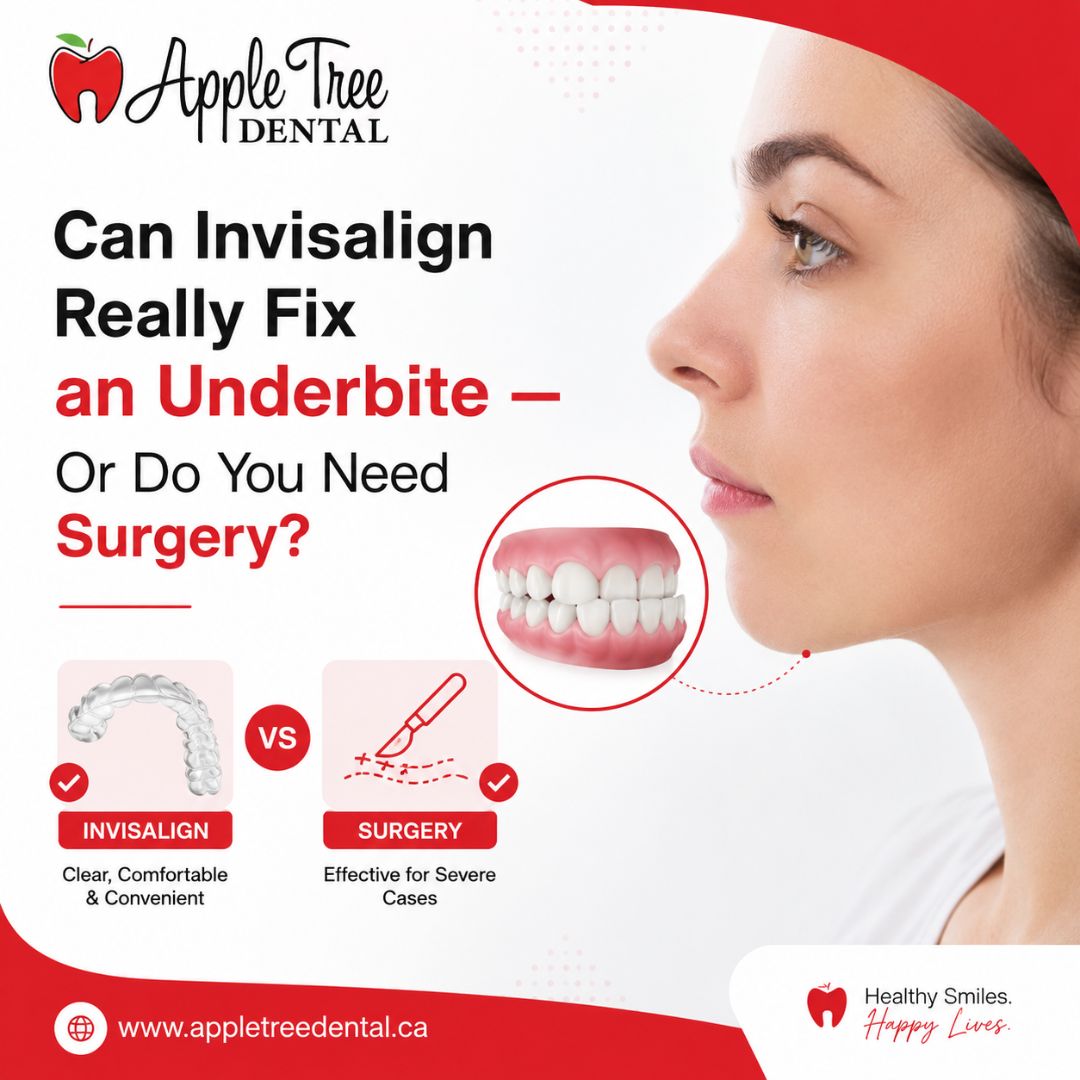
An orthodontist does one thing extremely well: correcting how your teeth and jaw are positioned. That includes crooked or crowded teeth, overbites, underbites, crossbites, gaps, and jaw alignment issues. They use braces, clear aligners like Invisalign, retainers, and other fixed or removable appliances to move teeth into the right position over time.

The Canadian Dental Association confirms that orthodontics is a post-graduate specialty — meaning an orthodontist is a dentist who completed an additional accredited university program in tooth and jaw alignment, typically two to three years beyond dental school. That extra training is what makes them the right choice for complex alignment cases.

✓ Dentist vs. Orthodontist — Side by Side

General Dentist

  • Routine checkups and cleanings
  • Fillings, crowns, and root canals
  • Gum disease diagnosis and treatment
  • Tooth extractions and X-rays
  • Cosmetic treatments (whitening, veneers)
  • Referrals to specialists when needed

Orthodontist

  • Braces (metal, ceramic, lingual)
  • Clear aligners (Invisalign and others)
  • Overbite, underbite, and crossbite correction
  • Jaw alignment and TMJ-related issues
  • Retainers and space maintainers
  • Early interceptive orthodontics for children

Training and Qualifications: How Are They Different?

Both start in exactly the same place. To become either a dentist or an orthodontist in Canada, you need a bachelor’s degree, then four to five years at one of the ten accredited dental schools in the country. After dental school, you sit the National Dental Examining Board of Canada exams and register with your provincial licensing body — in Ontario, that is the Royal College of Dental Surgeons of Ontario (RCDSO).

That is where the paths split. A general dentist is fully qualified at that point and can begin practising immediately. An orthodontist continues for two to three more years in a university-based residency program focused entirely on tooth movement, jaw development, facial growth, and bite correction. After that residency, they sit the National Dental Specialty Examination to gain specialist licensure.

The Orthodontists’ Association of Ontario notes that roughly 10 percent of licensed dentists in Canada are orthodontic specialists — which means they are a smaller, more targeted group. That specialist focus is exactly why their training qualifies them for cases that general dentistry cannot fully address.

What to Expect: How the Process Works Step by Step

Step 1: Start with your dentist

For most people, the process begins at a regular dental checkup. Your dentist examines your teeth, gums, and bite. If everything is healthy and properly aligned, you leave with a cleaning and a return date. If they spot alignment concerns — overcrowding, bite issues, or jaw problems — this is where they flag it and talk to you about next steps.

Step 2: Referral or self-referral to an orthodontist

In Ontario, you do not legally need a referral to see an orthodontist. You can book directly. That said, most patients come through their dentist, who can give the orthodontist relevant background on your oral health history. If you are already at Apple Tree Dental, the team can point you in the right direction quickly — no guesswork, no phone tag between providers.

Step 3: Orthodontic assessment

At your first orthodontic appointment, the specialist does a thorough assessment. This includes a visual examination, digital X-rays, photographs, and sometimes a 3D scan or mould of your teeth. The goal is to map exactly what needs to move, and by how much. From that, they build a personalised treatment plan — including the type of appliance recommended, the estimated length of treatment, and a cost breakdown.

Step 4: Active treatment

Treatment begins once your teeth and gums are confirmed to be in good health — which is why your dentist’s involvement matters. If there are cavities or gum issues, those get treated first. Braces or clear aligners are then fitted and adjusted at regular intervals, typically every four to eight weeks. Most adults wear braces for 18 to 24 months, though shorter cases exist depending on complexity.

Step 5: Retention

Once active treatment ends, retainers are fitted to hold your teeth in their new position. Teeth have a natural tendency to shift back. Wearing your retainer as directed prevents that. Your orthodontist monitors this phase, and your general dentist continues with routine care throughout — both providers work in parallel, not in competition.

Orthodontic and Dental Treatment Cost in London, Ontario — What You Will Actually Pay

Cost is one of the biggest reasons people delay getting treatment — and one of the most common sources of unnecessary anxiety. Here is a realistic picture of what to expect in London, Ontario.

General dental care — checkups, cleanings, fillings — is the most affordable end of the spectrum and is typically covered in full or in part by most private insurance plans. Orthodontic treatment is a larger investment. Full braces or clear aligner treatment in Canada generally ranges from several thousand dollars, depending on the complexity of your case, the type of appliance, and the length of treatment. The Canadian Dental Association does not set fixed national fees — prices vary by clinic and city. Contact Apple Tree Dental directly for a personalised estimate.

✓ Ways to Manage Your Dental and Orthodontic Costs
  • Private dental insurance: Most group plans in Canada cover routine dental care — cleanings, fillings, and X-rays. Some plans also include a lifetime orthodontic benefit. Check your policy for the specifics before your first consultation.
  • Canadian Dental Care Plan (CDCP): Eligible Canadians without private insurance may have access to preventive and restorative dental coverage under the federal CDCP program. Apple Tree Dental accepts CDCP and will confirm your eligibility at booking.
  • Monthly payment plans: Apple Tree Dental offers flexible payment options that spread your costs over the course of treatment — so price does not have to be the reason you wait.
  • Early treatment saves money: Catching alignment problems early — especially in children — reduces the complexity of later treatment. A simple assessment now can prevent a costly intervention in a few years.

Can a General Dentist Do Orthodontic Work? What Patients in London Need to Know

This question comes up a lot — and the honest answer is: it depends on the case.

Some general dentists offer basic orthodontic services, including certain clear aligner brands. For mild cases of crowding or minor cosmetic alignment issues, a well-trained general dentist may handle this appropriately. However, the Orthodontists’ Association of Ontario (OAO) notes that a general dentist offering orthodontic treatment does not carry the same specialist training, depth of knowledge, or experience as a certified orthodontist.

For moderate to complex cases — significant bite issues, jaw misalignment, crowded arches, or cases involving growing children — a certified orthodontic specialist is the safer and more effective choice. Specialist orthodontists also offer a wider range of appliance options because their entire practice is built around alignment. A general dentist may offer only one brand of aligner. An orthodontist evaluates all options and recommends the one that actually fits your specific problem.

The bottom line: your general dentist is the right first stop. They assess your overall health, identify alignment concerns, and help determine whether a specialist is needed. That collaboration between dentist and orthodontist is how the best outcomes happen.

Do You Need a Dentist, an Orthodontist, or Both? Signs to Act On

✓ Who Should You See? A Quick Guide

See a Dentist First

  • Tooth pain, sensitivity, or visible decay
  • Bleeding or swollen gums
  • A cracked, chipped, or missing tooth
  • Bad breath that does not go away
  • It has been more than 12 months since a checkup

Consider an Orthodontist If You Have

  • Visibly crooked or crowded teeth
  • An overbite, underbite, or crossbite
  • Gaps or spacing issues between teeth
  • Jaw pain, clicking, or difficulty chewing
  • A child whose permanent teeth are coming in crooked

You do not need multiple symptoms to act. One consistent sign — especially jaw discomfort, bite misalignment, or crowding that affects your confidence — is enough reason to book a consultation. Starting with your dentist is almost always the right move. They will tell you honestly whether you need a specialist.

Frequently Asked Questions: Orthodontist vs. Dentist in Canada

What is the main difference between an orthodontist and a dentist?

A dentist provides general oral health care — cleanings, fillings, gum treatment, and more. An orthodontist is a dental specialist who completed two to three extra years of training in tooth and jaw alignment. All orthodontists are dentists, but a general dentist is not automatically qualified to perform complex orthodontic treatment. For bite and alignment issues, an orthodontist is the specialist you want.

Do I need a referral to see an orthodontist in Ontario?

No. In Ontario, you can book directly with an orthodontist without a referral from your dentist. That said, going through your dentist first is usually the smarter path — they can confirm your oral health is in good shape before alignment treatment starts, and they can share your history with the orthodontist so nothing gets missed.

Can a dentist do braces or Invisalign instead of an orthodontist?

Some general dentists offer clear aligner treatment for mild cases. However, a certified orthodontist has deeper, more focused training in tooth movement and is better equipped to handle moderate or complex cases. If your case involves significant crowding, a bite problem, or jaw issues, an orthodontist will deliver safer, more predictable results than a general dentist providing orthodontic services.

At what age should a child first see an orthodontist?

The Canadian Dental Association recommends that children see a dentist by age one — and that orthodontic screening can begin around age seven if alignment concerns arise. At this age, the jaw is still developing, and early intervention (called interceptive orthodontics) can reduce the complexity of treatment later. Your family dentist is typically the one who identifies the need and coordinates the referral.

Is orthodontic treatment covered by dental insurance in Canada?

Many private dental insurance plans in Canada include a lifetime orthodontic benefit — typically a fixed amount per insured person, with a percentage of treatment costs covered. Coverage varies widely between plans, so it is worth checking your policy before booking. Some plans cover children only, while others extend benefits to adults. The Canadian Dental Care Plan (CDCP) covers preventive and restorative dental care for eligible Canadians without private insurance. Contact Apple Tree Dental to confirm what applies to your situation.

How do dentists and orthodontists work together?

They complement each other. Your dentist monitors overall oral health — gums, decay, hygiene — throughout the entire period of orthodontic treatment. Cavities and gum problems need to be managed even while braces are on. Your orthodontist handles tooth movement and jaw positioning. The two providers communicate and coordinate so your treatment progresses safely and efficiently. This collaboration is standard in Canadian dental care.

Ready to Find Out Which Care You Need in London, Ontario?

Apple Tree Dental in London, Ontario provides general dental care for adults and families — and can help you determine whether your situation calls for a specialist referral or can be handled right here. If your teeth, bite, or smile are on your mind, a checkup is the fastest way to get clarity. Book your appointment today and leave with a clear answer.

Book Your Dental Assessment in London, Ontario

Apple Tree Dental offers dental checkups, gum health assessments, and general care for adults and families across London, Ontario. We accept the Canadian Dental Care Plan and most private insurance plans. Not sure whether you need a dentist or an orthodontist? We will help you figure it out — with no pressure and no surprises.

Book Your Appointment Today →

✦ About the Author
Apple Tree Dental London Ontario logo

📍 London, Ontario

Apple Tree Dental

Your Family Dental Clinic in London, Ontario

The clinical team at Apple Tree Dental in London, Ontario provides general and preventive dental care for adults and families. All care follows RCDSO standards and Canadian Dental Association guidelines.

Serving patients across London, Ontario and surrounding neighbourhoods

Book a Consultation →

What Does Healthy Gums Look Like? A Complete Guide for Canadian Adults

Healthy gums have a very specific look — and once you know what to look for, checking your own is simple. Pink, firm, and fitted snugly around each tooth — that is the baseline. If your gums look different from that description, it is worth paying attention. This guide explains exactly what healthy gums look like, what warning signs mean, and when to book an appointment at Apple Tree Dental in London, Ontario.

✦ Quick Answer

What Does Healthy Gums Look Like?

Healthy gums are coral pink, firm to the touch, and hug tightly around the base of each tooth. They do not bleed when you brush or floss. There is no swelling, no redness, and no pulling away from the teeth. The gum line sits evenly — no patches, no gaps. If your gums look pale, dark red, swollen, or bleed regularly, that is a sign something has changed. Apple Tree Dental in London, Ontario can assess your gum health and catch problems early before they become costly.

✦ Key Takeaways

Healthy Gums vs. Unhealthy Gums — At a Glance

  • Healthy gums are pink, firm, and do not bleed — any deviation from this is worth checking.
  • Gingivitis is the earliest stage of gum disease and is fully reversible with proper care.
  • Bleeding when brushing is not normal — it is one of the first signs your gums need attention.
  • Gum colour varies by skin tone — darker pigmentation is natural, but sudden colour changes are not.
  • Most Canadians with private dental insurance have coverage for gum-related cleanings and assessments — check your plan.
  • Apple Tree Dental in London, Ontario offers gum health assessments for adults and families, with flexible payment options.

What Does Healthy Gums Look Like? A Clear Guide for Canadian Adults

Most people only think about their gums when something hurts. But gum problems rarely hurt in the early stages. They show up visually first — in colour, texture, and shape. Learning to read those signs gives you a real advantage. You can catch issues months before they become painful or expensive to treat.

Signs of Healthy Gums: Colour, Texture, and Shape

Colour

The standard reference point is coral pink. That said, gum colour naturally varies. People with darker skin tones often have gums with brown or blue-black pigmentation — this is completely normal and healthy. What matters is consistency. Your gums should look the same shade throughout, with no sudden red patches, white spots, or pale areas.

Texture

Run your tongue across your gums. Healthy gum tissue feels firm and slightly textured — dentists describe it as having a stippled surface, similar to orange peel. Puffy, soft, or smooth gum tissue that feels spongy under pressure is a warning sign. That texture change often means inflammation has already started.

Shape and fit

Healthy gums form a tight, scalloped edge around each tooth. They do not gap away from the tooth surface. They do not sit so high that the tooth root is exposed. The margin — the point where gum meets tooth — should look like a neat cuff, not a loose collar. If you can see more of your teeth than you used to, your gums may be receding.

No bleeding

This one is simple. Healthy gums do not bleed. Not when you brush, not when you floss, not after eating something firm. Bleeding is your immune system responding to bacteria in the gum tissue. It is a signal — not something to rinse away and forget about.

Healthy Gums vs. Unhealthy Gums: What the Difference Looks Like

✓ Healthy Gums vs. Unhealthy Gums — Side by Side

Healthy Gums

  • Coral pink (with natural pigment variation)
  • Firm and stippled texture
  • Tight fit around each tooth
  • No bleeding when brushing or flossing
  • No swelling or puffiness
  • No pain or sensitivity at the gum line

Unhealthy Gums

  • Bright red, dark red, or purple colouring
  • Soft, puffy, or smooth texture
  • Pulling away from the teeth (recession)
  • Bleeding during brushing or flossing
  • Visible swelling along the gum line
  • Sensitivity, tenderness, or bad breath

The Canadian Dental Association identifies gum disease as one of the most common oral health conditions in Canada — and most people with early-stage gum disease have no idea. That is precisely why knowing what to look for matters.

Early Gingivitis Symptoms: What to Watch For

Gingivitis is the earliest and most treatable stage of gum disease. The Royal College of Dental Surgeons of Ontario (RCDSO) recognises it as a reversible condition — meaning with the right care, your gums can return fully to normal.

Early gingivitis signs include gums that look slightly redder than usual, a small amount of bleeding when you floss, and mild puffiness at the gum line. These symptoms often appear gradually. Many people brush it off, assuming they flossed too hard. But when the bleeding is consistent — happening every time — it is your body flagging a bacterial buildup that your brush and floss alone cannot fully clear.

Left untreated, gingivitis progresses to periodontitis — a more serious infection that damages the bone supporting your teeth. That stage is not reversible. It can only be managed. Catching it at the gingivitis stage saves your teeth and saves you money.

What to Expect: How a Gum Health Assessment Works

Step 1: Visual examination

Your dentist looks at the colour, shape, and texture of your gums. This takes only a few minutes. They check for recession, swelling, and any changes since your last visit. If you have never had a gum assessment, there is no previous baseline — so this first look becomes the starting point for all future comparisons.

Step 2: Probing

A small, blunt instrument called a periodontal probe measures the depth of the pocket between your gum and each tooth. Healthy pockets measure 1 to 3 millimetres. Deeper pockets signal that the gum has pulled away from the tooth — a sign of disease progression. This process is painless in healthy gums. Tenderness during probing is itself a diagnostic signal.

Step 3: X-rays (if needed)

If the visual exam or probing raises concerns, X-rays help assess bone levels beneath the gum line. Bone loss is invisible to the naked eye. X-rays reveal how far a problem has progressed and guide your treatment plan.

Step 4: Professional cleaning

Most gum health issues start with plaque and tartar buildup below the gum line. A professional cleaning — scaling — removes what your toothbrush cannot reach. For more advanced cases, a deeper procedure called scaling and root planing cleans below the gum line and smooths the root surface to discourage bacteria from reattaching.

Step 5: Home care plan

Your provider reviews your brushing and flossing technique and may recommend specific tools — an electric toothbrush, a water flosser, or an antibacterial rinse. This step is often underestimated. Clinic visits fix what has already happened. Your daily routine determines whether it comes back.

Gum Treatment Cost in Canada — What You Will Actually Pay

What affects the price?

Routine preventive cleanings are the most affordable option and the most effective way to avoid larger costs later. If gum disease has progressed, scaling and root planing involves more time and skill — and the cost reflects that. The Canadian Dental Association does not set fixed national fees, so prices vary between clinics. Contact Apple Tree Dental directly for a personalised estimate based on your specific needs.

✓ Ways to Reduce Your Out-of-Pocket Cost
  • Private dental insurance: Most group plans in Canada cover routine cleanings and gum assessments. Check your policy — many include scaling benefits annually.
  • Canadian Dental Care Plan (CDCP): Eligible Canadians without private insurance may have coverage for preventive care under the federal CDCP program. Apple Tree Dental accepts CDCP and confirms your eligibility at booking.
  • Monthly payment plans: Apple Tree Dental offers flexible payment options that spread costs across your treatment period.
  • Prevention saves money: A routine cleaning costs significantly less than treating advanced gum disease. Twice-yearly visits are the most cost-effective investment in gum health.

Gum Recession and Gingival Problems: What They Mean for Your Health

Gum recession is when the gum tissue pulls back, exposing more of the tooth or even the root. It happens slowly — often so gradually that people notice their teeth look longer before they notice the gum line has moved.

Recession creates pockets where bacteria collect. It also exposes the root surface, which is not protected by enamel. That makes affected teeth more sensitive to temperature and more vulnerable to decay. Recession does not reverse on its own. But it can be stopped — and in some cases, treated with a gum graft procedure.

Gingival problems like recession, persistent redness, and swelling are not just cosmetic. They signal that the foundation supporting your teeth is under stress. Addressing them early is always easier — and less expensive — than waiting.

Is a Gum Health Check Right for You? Signs to Act On

✓ Warning Signs Your Gums Need Professional Attention

Visual Signs

  • Gums that look red, dark, or purple
  • Swelling along the gum line
  • Gums that have pulled back from the teeth
  • Teeth that appear longer than before
  • White patches or sores on the gum tissue

Functional Signs

  • Bleeding when you brush or floss
  • Persistent bad breath that brushing does not fix
  • Sensitivity at the base of the teeth
  • Tenderness when eating or touching the gums
  • More than 12 months since your last dental cleaning

You do not need to have multiple symptoms to book an appointment. One consistent sign — especially bleeding or recession — is enough reason to get checked. Catching gum problems early is always the better outcome.

Frequently Asked Questions About Gum Health

What does a healthy gums look like compared to gingivitis?

Healthy gums are pink, firm, and do not bleed. Gums with gingivitis look redder, feel softer, and bleed easily when brushed or flossed. Gingivitis is the earliest stage of gum disease — and the only stage that is fully reversible. With a professional cleaning and improved home care, gums can return to a healthy state.

Is it normal for gums to bleed when flossing?

No. Occasional minor irritation when you first start flossing is normal. But consistent bleeding every time you floss is not. It means your gums are inflamed. The solution is not to floss less — it is to see a dentist, have the inflammation treated, and establish a consistent flossing routine. Bleeding usually stops within one to two weeks of regular flossing once the underlying issue is addressed.

Can gum disease affect my overall health?

Yes. Research from Heart & Stroke Canada and other health organisations has linked periodontitis to increased risk of cardiovascular disease, diabetes complications, and premature birth. The mouth is not separate from the rest of your body. Bacteria from infected gum tissue enter the bloodstream. Treating gum disease is not just about your teeth.

What colour should healthy bottom gums be?

The same as your upper gums — coral pink, consistent in colour, and without patches of red, white, or dark purple. Natural pigmentation — especially in people with darker skin tones — can make gums appear darker, and that is completely normal. What matters is that your gum colour looks consistent and has not changed suddenly.

How often should I have my gums checked by a dentist?

For most adults, twice per year is the standard recommendation. If you have a history of gum disease, your dentist may recommend more frequent visits — every three to four months — to keep the condition stable. Regular checkups are your best defence. They catch problems before symptoms become obvious.

Does the Canadian Dental Care Plan cover gum treatment?

The Canadian Dental Care Plan (CDCP) covers certain preventive and gum-related services for eligible Canadians who do not have access to private dental insurance. Coverage specifics depend on your eligibility category. Apple Tree Dental accepts CDCP and will confirm what is covered at your appointment — so there are no surprises when you arrive.

Ready to Check Your Gum Health in London, Ontario?

Apple Tree Dental in London, Ontario offers gum health assessments for adults and families, with flexible payment options and acceptance of the Canadian Dental Care Plan. If something about your gums looks or feels different — even slightly — a professional check-up gives you a clear answer. Book your appointment today and know exactly where your gum health stands.

Book Your Gum Health Assessment in London, Ontario

Apple Tree Dental offers gum health assessments for adults and families across London, Ontario. We accept the Canadian Dental Care Plan and most private insurance plans. Clear communication. No surprises. Just honest dental care when you are ready for it.

Book Your Appointment Today →

✦ About the Author
Apple Tree Dental London Ontario gum health logo

📍 London, Ontario

Apple Tree Dental

Your Family & Gum Health Dental Clinic in London, Ontario

The clinical team at Apple Tree Dental in London, Ontario provides gum health assessments alongside a full range of general and restorative dental services. All care follows RCDSO standards and Canadian Dental Association guidelines.

Serving patients across London, Ontario and surrounding neighbourhoods

Book a Consultation →

Orthodontist in London, Ontario: Finding the Right Specialist for Your Smile

Finding an orthodontist in London, Ontario does not have to feel overwhelming. Whether you are thinking about braces for the first time or finally ready to fix a smile you have been self-conscious about for years, this guide gives you the honest information you need — from what orthodontists actually do to what the process looks like from day one.

✦ Quick Answer

Orthodontist in London, Ontario: What You Need to Know

An orthodontist is a dental specialist who straightens teeth and corrects bite issues using braces, clear aligners, and other appliances. In London, Ontario, adult patients can access orthodontic care through both specialist orthodontic offices and general dentistry clinics like Apple Tree Dental, which offers orthodontic options alongside full family dental care. Treatment timelines vary from several months to a few years, depending on your specific case.

✦ Key Takeaways

Orthodontic Care in London, Ontario — At a Glance

  • Orthodontists and general dentists both offer orthodontic treatment in London, Ontario — knowing the difference helps you choose correctly.
  • Adults make up a growing share of orthodontic patients — you are not too old for straighter teeth.
  • Treatment options include traditional metal braces, ceramic braces, and clear aligners like Invisalign.
  • Most private dental insurance plans in Canada include a lifetime orthodontic benefit — check yours before assuming you pay everything out of pocket.
  • The Canadian Dental Care Plan (CDCP) may also cover orthodontic treatment for eligible Canadians.
  • Apple Tree Dental in London, Ontario offers orthodontic consultations with flexible payment options and full family dental care under one roof.

Orthodontist in London, Ontario

Straight teeth are not just about looks. A proper bite reduces wear, makes cleaning easier, and can even ease jaw pain. Yet many adults in London, Ontario put off orthodontic care for years — worried about cost, embarrassed about braces, or unsure where to start. The truth? The process is more straightforward than most people expect, and the options available today are nothing like the metal-mouth experience from twenty years ago.

Orthodontist vs. General Dentist: Who Should You See?

What is the actual difference?

Both are regulated dental professionals in Ontario. A general dentist completes dental school and can offer a wide range of treatments. An orthodontist completes two to three additional years of specialist training focused entirely on moving teeth and correcting bites. The Royal College of Dental Surgeons of Ontario (RCDSO) regulates both.

So who should you see? For mild to moderate alignment concerns, a general dentist offering orthodontic services — like clear aligner therapy — can be a practical and cost-effective choice. For complex bite problems, jaw misalignment, or cases involving significant crowding, a specialist orthodontist brings deeper expertise.

Many Londoners find that starting with their general dentist is the most convenient path. If your case needs specialist referral, your dentist will tell you. If it does not, you can begin treatment right where you already have a relationship.

Orthodontic Treatment Options Available in London, Ontario

Traditional metal braces

Metal braces remain the most effective option for complex cases. Brackets bond to your teeth, and wire adjustments gradually shift them into position. They work for virtually any alignment issue and are often the most affordable starting point. Modern brackets are smaller and more comfortable than older versions.

Ceramic braces

Ceramic braces work the same way as metal ones, but the brackets are tooth-coloured. They blend in much better, which matters to many adults. They tend to cost slightly more than metal braces and require a little extra care to avoid staining.

Clear aligners

Clear aligner systems — such as Invisalign — use a series of custom-made plastic trays to move teeth gradually. You wear each tray for about one to two weeks, then swap to the next. They are removable, nearly invisible, and work well for mild to moderate cases. Many adults prefer them precisely because they are so discreet. Apple Tree Dental’s services page covers what is available at their London, Ontario clinic.

What to Expect: The Orthodontic Process Step by Step

Step 1: Initial consultation

Your first appointment is a conversation. Your dentist or orthodontist examines your teeth, takes X-rays, and talks through your goals. There is no pressure to commit on day one. You leave with a clearer picture of what treatment might look like for you specifically.

Step 2: Treatment planning

Once you decide to move forward, your provider creates a detailed plan. For clear aligners, this includes digital scans and a 3D preview of how your teeth will move. For braces, impressions or scans map the starting point. You review timelines and understand what each stage looks like.

Step 3: Getting your appliance fitted

Braces go on in a single appointment — usually about one to two hours. Clear aligner trays are handed over once they arrive from the lab, along with instructions. Either way, there is an adjustment period of a few days as your mouth gets used to the new hardware.

Step 4: Regular adjustment appointments

Braces require check-ins every four to eight weeks for wire adjustments. Aligner patients check in less frequently, typically every eight to twelve weeks, to confirm progress. These appointments are short — usually 20 to 30 minutes.

Step 5: Retainers after treatment

Once your teeth reach their final position, braces come off or aligner treatment ends. But the job is not quite done. Retainers hold everything in place while your bone and tissue stabilise around the new positions. Most patients wear retainers nightly long-term. Skipping retainers is the most common reason teeth shift back.

Orthodontic Treatment Cost in London, Ontario — What You Will Actually Pay

What affects the price?

Orthodontic costs in Canada vary based on case complexity, treatment type, and the provider you choose. The Canadian Dental Association does not set fixed fees, so prices differ between clinics. Generally, clear aligners and ceramic braces sit at a higher price point than traditional metal braces. More complex cases take longer and cost more.

The best way to get an accurate number is a consultation — your provider will assess your specific situation and give you a written estimate before any treatment begins.

Insurance and payment options

✓ Ways to Reduce Your Out-of-Pocket Cost
  • Private dental insurance: Most group plans include a lifetime orthodontic benefit. Check your policy documents or call your insurer before your consultation.
  • Canadian Dental Care Plan (CDCP): Eligible Canadians without private insurance may have orthodontic coverage under the federal CDCP program. Apple Tree Dental accepts CDCP and confirms your eligibility at booking.
  • Monthly payment plans: Many clinics — including Apple Tree Dental — offer in-house financing that spreads the cost over your treatment period.
  • Free consultations: Some clinics offer a no-cost first visit so you can understand your options before committing to anything.

Contact Apple Tree Dental directly for a personalised estimate — they confirm insurance coverage and payment options at your first appointment.

Adult Orthodontics in London, Ontario — You Are Not Too Old

Adults now make up roughly one in three orthodontic patients in Canada. That number keeps growing. Teeth can be moved at any age — bone continues to respond to gentle, sustained pressure whether you are 25 or 55.

What changes as you get older is that treatment may take slightly longer than it would for a teenager. Adult bone is denser. Existing dental work — like crowns or bridges — may also affect planning. Your provider accounts for all of this before starting.

Clear aligners are especially popular with adult patients. They fit around a professional life, social commitments, and the simple preference not to advertise that you are in treatment. Most people you work with will never notice.

Is Orthodontic Treatment Right for You? Signs to Look For

You might benefit from orthodontic care if:

✓ Potential Signs You Need Orthodontic Treatment

Tooth and Bite Issues

  • Teeth that are crowded, overlapping, or rotated
  • Noticeable gaps between teeth
  • Upper front teeth that stick out (overjet)
  • Lower teeth that sit in front of upper teeth (underbite)
  • Upper teeth that cover most of the lower teeth (deep bite)

Functional Concerns

  • Difficulty flossing between crowded teeth
  • Jaw clicking, popping, or discomfort
  • Uneven wear on tooth surfaces
  • Cheek biting due to teeth alignment
  • Self-consciousness about your smile affecting daily confidence

Not every sign on this list means you definitely need treatment. A consultation gives you a professional assessment — not a sales pitch. A good provider tells you honestly if treatment will help and by how much.

Frequently Asked Questions About Orthodontists in London, Ontario

Do I need a referral to see an orthodontist in Ontario?

No referral is required. You can book directly with an orthodontist or ask your general dentist to refer you. Many people start with their regular dentist, who assesses whether a specialist is needed or handles the treatment directly.

How long does orthodontic treatment take for adults?

It depends on your case. Minor alignment fixes with clear aligners can take six to twelve months. Moderate to complex cases with braces typically run eighteen months to two and a half years. Your provider gives you a timeline estimate at your consultation, not a guess.

Does orthodontic treatment hurt?

There is soreness, especially in the first few days after getting braces or switching to a new aligner tray. It is manageable — most people describe it as pressure rather than sharp pain. Over-the-counter pain relief works well for those first couple of days.

Can I get orthodontic treatment if I have existing dental work?

Often yes, but it requires careful planning. Crowns, bridges, implants, and veneers all affect how treatment is approached. Your provider reviews your full dental history before making a plan. Existing dental work does not automatically disqualify you from orthodontic treatment.

Is Invisalign available in London, Ontario?

Yes. Clear aligner therapy including Invisalign is widely available in London, Ontario through both specialist orthodontists and general dentistry clinics. Apple Tree Dental offers orthodontic options — contact them to confirm which aligner systems they currently provide.

What happens if I do not wear my retainer after treatment?

Teeth have memory. Without a retainer, they gradually shift back toward their original positions — sometimes within months. This is one of the most common outcomes orthodontists see. Wearing your retainer as directed protects everything you invested in treatment.

Ready to Straighten Your Smile in London, Ontario?

Apple Tree Dental in London, Ontario offers orthodontic consultations for adults and families, with clear pricing information, flexible payment options, and acceptance of the Canadian Dental Care Plan. The team takes time to explain your options without pressure — so you can make a confident decision. Book your consultation today and find out exactly what straighter teeth would look like for you.

Book Your Orthodontic Consultation in London, Ontario

Apple Tree Dental offers orthodontic assessments for adults and families across London, Ontario. We accept the Canadian Dental Care Plan and most private insurance plans. Clear communication. No surprises. Just honest dental care when you are ready for it.

Book Your Consultation Today →

✦ About the Author
Apple Tree Dental London Ontario orthodontist logo


📍 London, Ontario

Apple Tree Dental

Your Orthodontic & Family Dental Clinic in London, Ontario

The clinical team at Apple Tree Dental in London, Ontario provides orthodontic consultations alongside a full range of general and restorative dental services. All care follows RCDSO standards and Canadian Dental Association guidelines.


Serving patients across London, Ontario and surrounding neighbourhoods

Book a Consultation →

Wisdom Teeth Removal Recovery: Your Day-by-Day Healing Guide

Wisdom teeth removal recovery usually takes seven to fourteen days, though most people feel ready to return to work or school within three to five days. Swelling peaks around day two, then fades. The first 48 hours matter most, because that is when the blood clot forms and protects the socket. Careful aftercare keeps healing on track and lowers your risk of complications.

✦ Quick Answer

How Long Is Recovery From Wisdom Teeth Removal?

Most patients recover from wisdom teeth removal in seven to fourteen days. Simple extractions of fully erupted teeth often heal in three to four days, while impacted teeth take longer. At Apple Tree Dental in London, Ontario, our team guides you through every stage so you know exactly what normal healing looks like — and when to call us.

✦ Key Takeaways

Wisdom Teeth Removal Recovery at a Glance

  • The full wisdom teeth recovery timeline runs seven to fourteen days, with surface healing largely complete by week two.
  • Swelling peaks around 48 hours after surgery and then steadily improves — that is normal, not a setback.
  • Most people return to routines in three to five days, though heavy lifting and intense exercise should wait about a week.
  • To speed up wisdom teeth recovery, rest, ice early, eat soft foods, and protect the blood clot.
  • Dry socket is the most common complication, affecting up to roughly a quarter to a third of impacted lower wisdom tooth cases.
  • Apple Tree Dental in London, Ontario handles wisdom tooth removal with same-day appointments for urgent cases and full aftercare support.

Wisdom Teeth Removal Recovery: Your Day-by-Day Healing Guide

Nobody books wisdom tooth surgery for fun. The good news? Recovery is far more predictable than most people fear, and the internet horror stories rarely match reality. At Apple Tree Dental in London, Ontario, the question we hear most is simple: “How long until I feel normal again?” This guide walks you through the entire wisdom teeth removal recovery process — day by day, food by food, and warning sign by warning sign — so you can heal with confidence instead of guesswork.

How Long Does Wisdom Teeth Recovery Take?

What is the typical wisdom teeth recovery timeline?

Here is the honest answer: it depends on the tooth. According to the Cleveland Clinic, wisdom teeth removal recovery time averages one to two weeks, and most people resume work, school, and normal routines in about three to five days. A simple extraction of a fully erupted tooth often heals faster than that. An impacted tooth buried in the jawbone, however, usually needs the longer end of that range.

So when patients ask how long recovery from wisdom teeth removal really lasts, the realistic snapshot looks like this: a few rough days, a noticeably better first week, and a fully comfortable mouth within two weeks. Beneath the surface, though, your body keeps working.

Why does the bone keep healing after you feel fine?

Even after the gum looks closed, the empty socket continues filling with new bone underneath. This deeper remodelling takes several months to finish, which is completely normal and nothing you will feel. In other words, surface healing and bone healing run on two different clocks. Your daily life follows the fast one.

Age plays a role too. Younger patients tend to bounce back quicker because their tooth roots are less developed and the bone is more forgiving. Patients in their thirties, forties, and beyond should plan for a slightly longer, gentler recovery.

Wisdom Teeth Recovery Timeline: What to Expect Each Day

Day 1: the rest day

A blood clot forms in the socket within the first hour, and protecting it is your only real job today. Expect some oozing, numbness from the anaesthetic, and tenderness as the freezing wears off. Bite gently on gauze, keep your head elevated, and take it easy. Honestly, the couch is your friend here.

Days 2 to 3: peak swelling

Swelling typically peaks around 48 hours after surgery and then begins to subside, which surprises many patients who assume “getting puffier” means “getting worse.” It usually does not. Bruising and stiff jaw muscles can also appear now. Cold packs and steady pain relief make these the most manageable of the rough days.

Days 4 to 7: the turnaround

This is when most people feel human again. Swelling drops noticeably, pain fades, and the gum tissue starts closing over the socket. Many patients return to desk work or class around now and gradually reintroduce more normal foods, while still chewing away from the surgical sites. If you received non-dissolvable stitches, your dentist usually removes them around the one-week mark.

Week 2 and beyond: nearly there

By the end of the second week, the visible wound is generally comfortable and well on its way to closed. Some tightness may linger, especially after impacted extractions, but daily life feels normal again. Meanwhile, the jawbone quietly continues its months-long remodelling beneath the surface.

How to Speed Up Wisdom Teeth Recovery

What actually helps you heal faster?

There is no magic shortcut, but smart habits genuinely move the needle. The single biggest factor is how closely you follow your aftercare instructions — that matters more than most people expect. Beyond that, a few simple moves protect the clot and keep inflammation down.

✓ Do ✕ Avoid

Do

  • Rest for the first two to three days — sleep is when healing happens
  • Apply an ice pack (20 minutes on, 20 off) for the first 24 to 48 hours
  • Take pain relief as directed, staying ahead of the soreness
  • Eat soft foods — yogurt, eggs, mashed potatoes, soup
  • Start gentle warm salt-water rinses 24 hours after surgery

Avoid

  • Smoking for at least 72 hours — it sharply raises dry socket risk
  • Straws for the first week — suction can pull the clot loose
  • Spitting or rinsing forcefully in the first 24 hours
  • Hard, crunchy, or spicy foods near the sockets
  • Strenuous exercise and heavy lifting for about a week

Notice a theme? Nearly every “speed up recovery” tip is really a “protect the blood clot” tip. Guard that clot, and your body handles the rest.

Managing Pain and Swelling During Recovery

How much discomfort is normal?

Discomfort usually peaks on the first or second day, then steadily eases. Most patients control it well with over-the-counter options such as ibuprofen and acetaminophen, sometimes alternated on a schedule your dentist recommends. For more complex surgical extractions, your provider may prescribe something stronger.

Here is the key pattern to remember: pain should trend down after day three. Mild soreness lingering into the first week is expected. Pain that suddenly intensifies several days out is not — and that brings us to the one complication worth understanding.

Clinical Note — Dry Socket

Dry socket (alveolar osteitis) develops when the protective blood clot dislodges before healing finishes, leaving bone exposed. It affects roughly 2–5% of routine extractions but climbs to about 25–30% of impacted lower wisdom tooth cases, per research summarised by the Cleveland Clinic. The hallmark sign is a dull, radiating pain that starts two to four days after surgery and does not ease with normal pain relief. It is treatable — call Apple Tree Dental promptly and we can medicate and dress the socket for fast relief.

What to Eat While You Recover

Which foods are safe in the first few days?

For the first three to five days, soft is the rule. Reach for yogurt, smooth soups, scrambled eggs, mashed potatoes, applesauce, oatmeal, and soft pasta. Lukewarm beats hot, and a spoon beats a straw every time. As tenderness fades, you can gradually bring firmer foods back — just keep chewing away from the surgical sites until things feel solid.

One more tip patients appreciate: prep your soft-food menu before surgery. Hungry, sore, and freezer-diving at 9 p.m. is nobody’s idea of a smooth recovery. A little planning goes a long way.

Warning Signs: When to Call Your Dentist

What signals a problem rather than normal healing?

Most recoveries proceed without a hitch. Still, a few signs deserve a prompt call to our team. Reach out to Apple Tree Dental if you notice pain that climbs after day three, a foul taste or odour developing after the first day or two, a fever, swelling that worsens past day two, heavy bleeding that firm gauze pressure will not slow, or difficulty opening your jaw that keeps getting tighter.

None of these means panic. Each simply means “let’s take a look.” Catching an issue early almost always makes it easier to fix. When in doubt, call — we would rather reassure you than have you wonder.

Why London, Ontario Patients Choose Apple Tree Dental

What makes our wisdom tooth care different?

Apple Tree Dental in London, Ontario performs simple and surgical wisdom teeth removal with modern techniques and a genuine focus on comfort. Every case begins with a thorough clinical and radiographic assessment, and the clinic follows the standards set by the Royal College of Dental Surgeons of Ontario (RCDSO) and guidance from the Canadian Dental Association.

We also know surgery makes people nervous, so we take the time to explain each step in plain language. You leave with clear written aftercare instructions and direct access to our clinical team throughout recovery. Our general dentistry services include post-extraction checks to confirm the socket is healing the way it should.

Frequently Asked Questions About Wisdom Teeth Removal Recovery

How long is the recovery from wisdom teeth?

Recovery from wisdom teeth typically takes seven to fourteen days for surface healing, and most people return to normal routines within three to five days. Simple extractions of erupted teeth often heal faster, while impacted teeth take the longer end of that range. The jawbone underneath keeps remodelling for several months, but you will not feel that part.

When can I go back to work or school?

Many patients head back to desk work or class three to four days after surgery, once swelling and discomfort settle. Plan for at least two to three rest days, especially the first 48 hours. Jobs involving heavy lifting or intense physical activity may need about a week, since exertion can disturb the clot.

How can I speed up wisdom teeth recovery?

Rest, ice the area early, stick to soft foods, take pain relief as directed, and protect the blood clot. That means no smoking, no straws, and no forceful rinsing in the early days. Following your aftercare instructions closely is the most reliable way to recover quickly — it matters more than any single trick.

Is the swelling on day two a bad sign?

No — swelling that peaks around 48 hours is a normal part of healing, not a setback. It should begin improving after that. Cold packs in the first day or two help keep it down. Swelling that suddenly worsens after day two, however, is worth a call to your dentist.

What does dry socket feel like, and how common is it?

Dry socket causes a dull, throbbing pain that radiates through the jaw and ear, usually starting two to four days after surgery and not responding to normal pain relief. It affects only about 2–5% of routine extractions, but up to roughly a quarter to a third of impacted lower wisdom tooth cases. It is treatable, so contact Apple Tree Dental promptly if pain rises instead of fading.

Does the Canadian Dental Care Plan cover wisdom tooth removal?

The Canadian Dental Care Plan (CDCP) covers eligible Canadians who lack private dental insurance and meet household income thresholds, and extractions qualify as a covered benefit. Most private plans also cover a share of the fee. Apple Tree Dental accepts the CDCP and confirms your eligibility at booking — contact our team for a personalised estimate.

Facing Wisdom Tooth Surgery in London, Ontario? We’ve Got You

A smooth recovery starts with the right care team. Whether your wisdom tooth is causing pain, crowding, or repeated infections, Apple Tree Dental in London, Ontario handles the full range of cases in a calm, well-equipped setting. We explain every step before we begin, offer same-day appointments for urgent situations, and stay available through every stage of healing. Our team accepts the Canadian Dental Care Plan and works with most private insurance. Patients planning ahead can also explore dental implant options and restorative dentistry at the same consultation.

Book Your Wisdom Tooth Consultation in London, Ontario

Apple Tree Dental delivers comfortable, clinically precise wisdom teeth removal for patients across London, Ontario. Simple or surgical, urgent or planned — our team handles each case with care, clear communication, and complete aftercare support. We accept the Canadian Dental Care Plan and most private insurance. No pressure. No surprises. Just honest dental care when you need it.

Book Your Consultation Today →

✦ About the Author
Apple Tree Dental London Ontario wisdom teeth removal recovery logo

📍 London, Ontario

Apple Tree Dental

Your Trusted Wisdom Tooth & Family Dental Clinic in London, Ontario

The clinical team at Apple Tree Dental in London, Ontario handles simple and surgical wisdom tooth removal and complete post-extraction care. The clinic pairs modern techniques with compassionate, personalised treatment for patients of all ages. All procedures meet RCDSO standards and Canadian dental guidelines.

Serving patients across London, Ontario and surrounding neighbourhoods

Book a Consultation →

What to Expect From a Tooth Extraction — A Complete Patient Guide

A tooth extraction removes a tooth from its socket in the jawbone. Dentists perform this procedure when a tooth suffers too much damage, decay, or crowding to save. Most extractions in London, Ontario take a single appointment under local anaesthetic, and patients follow a predictable healing process lasting one to two weeks.

✦ Quick Answer

What Is a Tooth Extraction?

At Apple Tree Dental in London, Ontario, our dental team removes teeth that are severely decayed, fractured, infected, or impacted. We complete most extractions in a single visit using local anaesthetic. Most patients recover within seven to ten days. Wisdom tooth extractions may take slightly longer, depending on how deep the tooth sits in the jaw.

✦ Key Takeaways

Everything You Need to Know About Tooth Extraction in London, Ontario

  • Tooth extraction removes a tooth from its socket under local anaesthetic — the procedure itself does not hurt.
  • Recovery time for an extracted tooth runs seven to fourteen days; wisdom tooth sites may need slightly longer, depending on complexity.
  • Granulation tissue — a soft, pink-white tissue — fills the socket within a few days and signals healthy healing.
  • What to eat after extracting a tooth: soft foods such as yogurt, scrambled eggs, mashed potatoes, and soup work best for the first three to five days.
  • A healthy tooth socket after extraction partially closes by day seven, with granulation tissue visible and tenderness fading.
  • Dry socket — when the protective blood clot dislodges before healing completes — is the most common post-extraction complication and needs prompt dental care.
  • Apple Tree Dental in London, Ontario offers simple and surgical tooth extractions, including wisdom tooth removal, with same-day appointments for urgent cases.

What to Expect From a Tooth Extraction — A Complete Patient Guide

Your dentist just told you that you need a tooth extraction, and your mind immediately goes to worry. What will it feel like? How long will healing take? Will it hurt afterward? These are the questions patients at Apple Tree Dental in London, Ontario ask most often — and every one of them has a clear, honest answer. This guide covers every stage of the process: what extraction involves, what healing looks like day by day, what to eat afterward, and when to call your dentist if something feels off.

What Is a Tooth Extraction?

How does modern dentistry define a tooth extraction?

A tooth extraction removes a tooth completely from the alveolar socket — the cavity in the jawbone that holds the tooth root. In clinical practice, extractions fall into two categories: simple extractions and surgical extractions. A simple extraction involves a tooth visible in the mouth that a dentist can loosen and remove with forceps. A surgical extraction is necessary when a tooth is impacted, partially erupted, or has broken off at the gum line — as often happens with wisdom tooth removal.

From a patient’s perspective, a tooth extraction removes a tooth that no longer responds to repair or that creates problems a dentist cannot solve any other way. The Canadian Dental Association identifies extraction as the appropriate choice when decay, fracture, infection, or crowding makes keeping the tooth clinically inadvisable. Saving a natural tooth always comes first, but extraction is sometimes the most responsible decision for a patient’s long-term oral health.

What are the most common reasons for a tooth extraction?

According to Apple Tree Dental in London, Ontario, the most common reasons patients need a tooth extraction include advanced decay that destroys too much tooth structure to support a crown, a vertical root fracture that a dentist cannot restore, severe periodontal (gum) disease that has weakened the supporting bone, a tooth causing crowding before orthodontic treatment, and an impacted wisdom tooth that puts adjacent teeth at risk.

How Does a Tooth Extraction Work?

What happens at your appointment at Apple Tree Dental?

Knowing each step of the process makes the appointment far less stressful. Here is exactly what happens from the moment you sit in the chair to the moment you leave.

  1. Assessment and X-rays. Your dentist takes a periapical X-ray to assess root shape, bone levels, and surrounding anatomy before touching any instruments.
  2. Local anaesthetic. Your dentist applies a topical numbing gel to the gum tissue first, then delivers the local anaesthetic injection. You will feel pressure during the procedure, but not pain. Full numbness sets in within two to three minutes.
  3. Loosening the tooth. For a simple extraction, your dentist uses a dental elevator to gently loosen the tooth within the socket. This expands the surrounding bone and releases the fibres that hold the tooth in place.
  4. Removal. Dental forceps grasp the tooth and remove it with controlled rocking and rotational movements. Once the tooth is adequately loosened, this step often takes under a minute.
  5. Surgical steps (if required). For an impacted or broken tooth, your dentist makes a small incision in the gum and may section the tooth — dividing it into smaller pieces — to allow removal with minimal force and less bone disturbance.
  6. Socket care. Your dentist inspects and cleans the socket, then places a gauze pad over the site. You bite down firmly for 30 to 45 minutes to help the blood clot form.
  7. Aftercare instructions. Before you leave, your dental team hands you written aftercare instructions and answers all questions about recovery, diet, and warning signs.

Most simple extractions wrap up within 20 to 40 minutes from start to finish. Surgical extractions of impacted wisdom teeth may take 45 to 90 minutes, depending on complexity. You stay awake throughout and remain in full control of the process at all times.

Who Is a Good Candidate for Tooth Extraction?

Who typically needs a tooth removed?

Most adults and older adolescents qualify for tooth extraction when clinical indications exist. Your dentist at Apple Tree Dental reviews your specific situation — including your medical history, medications, and the condition of surrounding bone and teeth — before recommending extraction.

Good candidates include patients with a tooth their dentist has assessed as beyond repair, patients with an impacted wisdom tooth causing pain, infection, or damage to neighbouring teeth, patients preparing for orthodontic treatment that requires more space, and patients whose tooth keeps triggering a chronic infection despite antibiotic treatment.

Are there any medical conditions your dentist needs to know about?

Yes. Certain health conditions call for extra steps before your dentist proceeds with an extraction. If you take blood thinners, bisphosphonate medications for bone density, or immunosuppressants, tell your dentist before your appointment. Patients with a history of heart conditions, diabetes, or a weakened immune system may need their physician involved in pre-treatment planning. The Royal College of Dental Surgeons of Ontario (RCDSO) sets clear standards for managing medically complex dental patients, and Apple Tree Dental follows those guidelines for every patient.

If you are unsure whether extraction is the right choice for your tooth, a consultation gives you the clearest picture. In some cases, root canal treatment, a crown, or periodontal therapy offers a viable path before extraction enters the conversation.

How Much Does a Tooth Extraction Cost in London, Ontario?

Does the Canadian Dental Care Plan (CDCP) cover it?

Treatment costs vary based on individual clinical needs. A simple extraction of a single-rooted tooth carries a different fee than a surgical extraction of a deeply impacted wisdom tooth that requires sectioning and sutures. Key cost factors include the complexity of the extraction, whether you need sedation, the number of teeth involved, and whether imaging beyond a standard X-ray is necessary.

Dental offices in London, Ontario typically use the Ontario Dental Association (ODA) fee guide as a pricing reference. Most private dental insurance plans in Canada cover a share of extraction fees — commonly 70% to 80% of the ODA rate, subject to your annual maximum and deductible. Confirm your specific coverage with your insurer before treatment.

The Canadian Dental Care Plan (CDCP), run by the Government of Canada and Sun Life, covers eligible Canadians who have no private dental insurance and meet household income thresholds. Tooth extractions qualify as a covered benefit under the CDCP. Apple Tree Dental accepts the Canadian Dental Care Plan and confirms your eligibility at the time of your appointment. Contact our team directly for a personalised cost estimate — we provide a fully itemised treatment plan before any procedure begins.

Tooth Extraction vs Alternatives: Which Option Suits Your Situation?

What other treatments should you consider first?

Extraction is not always the only path. When a tooth carries damage but the root and surrounding bone remain intact, alternatives are often worth exploring before permanently removing the tooth. Your dentist outlines which options make clinical sense for your specific case.

OptionBest ForKey AdvantageKey Consideration
Tooth ExtractionNon-restorable teeth, impacted wisdom teeth, severe infectionResolves the problem completely; no ongoing maintenance of the affected toothReplacing the tooth (implant, bridge) prevents bone loss afterward
Root Canal TreatmentInfected or dead pulp with enough tooth structure remainingSaves the natural tooth and preserves surrounding boneA crown is typically needed afterward; not an option if the tooth has too little structure left
Dental CrownCracked or heavily decayed teeth with healthy rootsRestores full function and appearance without removing the toothRequires enough natural tooth structure to support the crown

According to Apple Tree Dental in London, Ontario, keeping the natural tooth is always the preferred clinical outcome when root structure and surrounding bone can support it. Your dentist recommends extraction only when the tooth cannot be restored predictably, or when keeping it creates more risk than removing it. Patients who proceed with extraction and want to replace the missing tooth can review dental implant options as part of their treatment plan.

Recovery and Aftercare: What Happens After Your Tooth Extraction

What does the healing timeline look like day by day?

Healing after a tooth extraction follows a predictable sequence. Understanding what a healthy tooth socket after extraction looks like — and how the site changes from one day to the next — helps you tell normal healing from something that needs attention.

Day 1: A blood clot forms in the socket within the first hour. This clot forms the foundation of the entire healing process — protecting it is the single most important action you can take on day one. Expect mild to moderate swelling, some oozing, and tenderness that over-the-counter pain relief manages comfortably.

Days 2 to 3: Swelling often peaks around the second day. The socket looks dark red at the edges. Tooth extraction healing pictures day by day at this stage show a socket partially filled with the blood clot and surrounded by slightly inflamed gum tissue. This is normal.

Days 3 to 5 — granulation tissue appears: The blood clot starts giving way to granulation tissue — a soft, pink-white or slightly yellowish material your body produces as it builds new cells in the wound. Pictures of granulation tissue after tooth extraction show a socket lighter in colour than the surrounding gum, with a soft, slightly uneven surface. This is a healthy sign, not a sign of infection. Granulation tissue is how your body fills and closes the socket from the inside out.

Days 5 to 7: Tenderness drops significantly for most patients. The gum tissue at the socket margins begins closing inward. What does a tooth extraction look like after 3 days and into days four and five is a progressively lighter socket with visible new tissue and minimal bleeding. Any swelling or bruising starts to clear.

Week 2 and beyond: The socket keeps filling with granulation tissue and eventually new bone. Full bone remodelling takes several months, but the visible wound typically closes and feels comfortable within two to four weeks.

What should you do — and avoid — after an extraction?

✓ Do ✕ Avoid

Do

  • Bite firmly on gauze for 30 to 45 minutes after the procedure
  • Apply an ice pack (20 minutes on, 20 minutes off) for the first 24 hours to manage swelling
  • Take prescribed or recommended pain relief as directed
  • Eat soft foods — yogurt, mashed potatoes, scrambled eggs, soup — for the first three to five days
  • Keep the area clean by gently rinsing with warm salt water starting 24 hours after extraction
  • Sleep with your head slightly elevated the first night to reduce swelling

Avoid

  • Smoking or using any tobacco product for at least 72 hours — nicotine and suction interfere with clot formation
  • Using a straw for the first 72 hours — the suction can pull the blood clot out of the socket
  • Rinsing aggressively or spitting forcefully for the first 24 hours
  • Hard, crunchy, or spicy foods that can irritate or introduce particles into the socket
  • Vigorous physical activity for 24 to 48 hours after extraction
  • Poking or probing the socket with fingers, tongue, or utensils

Clinical Note — Dry Socket

Dry socket (alveolar osteitis) develops when the blood clot leaves the socket before healing completes. It produces a dull, radiating pain that typically starts two to four days after extraction and does not improve with standard pain relief. Dry socket is not an infection, but it needs treatment. Contact Apple Tree Dental promptly if pain increases rather than fades after day three — we can medicate and dress the socket for rapid relief.

Why Patients in London, Ontario Choose Apple Tree Dental

What makes Apple Tree Dental the right choice for your extraction?

Apple Tree Dental in London, Ontario handles tooth extractions — including surgical wisdom tooth removal — with current techniques, modern equipment, and a genuine focus on patient comfort and clear communication. The clinic meets the full standards of the Royal College of Dental Surgeons of Ontario (RCDSO) and follows the guidance of the Canadian Dental Association (CDA). Every extraction begins with a thorough clinical and radiographic assessment to confirm the diagnosis and deliver the procedure safely.

What support do patients receive after treatment?

Patients leave every appointment with detailed written aftercare instructions and direct access to the clinical team for questions or concerns throughout recovery. The Apple Tree Dental team has extensive experience with anxious patients and dedicates the time needed to make sure every person fully understands their treatment plan before consenting to any procedure. Our general dentistry services include post-extraction monitoring to confirm healthy socket healing and support tooth replacement planning when the time comes.

Frequently Asked Questions About Tooth Extraction in London, Ontario

Is a tooth extraction painful?

A: The extraction procedure does not hurt. Your dentist administers local anaesthetic before using any instruments and waits for full numbness before proceeding. You will feel pressure and movement throughout, but not sharp pain. After the anaesthetic wears off, mild to moderate soreness at the site is normal for two to four days. Over-the-counter pain relief such as ibuprofen or acetaminophen manages this well. If pain increases after day three rather than fading, call your dental team — this may signal dry socket, which is treatable.

What is the recovery time for an extracted tooth?

A: Recovery time for an extracted tooth depends on the complexity of the procedure. Most patients feel comfortable within seven to ten days after a simple extraction. Surgical extractions — particularly impacted wisdom teeth — may bring tenderness and swelling for ten to fourteen days. The socket continues to heal beneath the gum surface for several weeks, and full bone remodelling takes two to six months. Most patients return to normal activities within 24 to 48 hours after a straightforward extraction.

What does a healthy tooth socket look like after extraction?

A: A healthy tooth socket changes progressively over the first two weeks. In the first 24 hours, it appears dark red as the blood clot forms. By days three to five, granulation tissue replaces the clot — a soft, pinkish-white material that looks slightly different from the surrounding gum. This is normal and healthy. By day seven, the gum edges start closing inward over the socket. A socket that heals well shows decreasing tenderness, no foul odour, and no sudden jump in pain after the first few days.

What should I eat after a tooth extraction?

A: Stick to soft foods for the first three to five days after extraction. Good options include yogurt, mashed potatoes, scrambled eggs, smooth soups, applesauce, oatmeal, and soft-cooked pasta. Avoid hard, crunchy, or spicy foods that can disturb the clot or push food particles into the socket. Skip alcohol for at least 24 hours. Do not use a straw for the first 72 hours — the suction creates negative pressure that can pull the blood clot out of the socket and lead to dry socket. Bring normal foods back gradually as tenderness fades.

Does dental insurance or the CDCP cover tooth extractions?

A: Most private dental insurance plans in Canada cover tooth extractions as a basic or preventive service, typically at 70% to 80% of the ODA fee guide rate. Surgical extractions, including wisdom tooth removal, usually fall under the major services or oral surgery benefit. The Canadian Dental Care Plan (CDCP) covers tooth extractions for eligible Canadians who lack private dental insurance and meet household income requirements. Apple Tree Dental accepts the CDCP and confirms your eligibility at booking. Contact our team for a personalised estimate.

What does granulation tissue look like after a tooth extraction?

A: Yes — granulation tissue is a completely normal part of healing. Your body produces it around days three to five to replace the initial blood clot with new cellular tissue. Granulation tissue looks soft, pink-white or slightly creamy, and may appear somewhat uneven in texture. It is not pus and does not signal infection. Its presence is a positive sign that healing moves forward as it should. If the socket appears empty, looks very dark, or produces a foul smell alongside increasing pain, call your dentist — those signs point to dry socket, not normal granulation.

When should I contact my dentist after a tooth extraction?

A: Call Apple Tree Dental if you notice: pain that increases rather than decreases after day three, a socket that looks empty with an exposed bony surface, a foul taste or odour that develops after the first day or two, fever above 38 degrees Celsius, swelling that worsens after day two instead of improving, difficulty opening your jaw beyond what was present immediately after the procedure, or heavy bleeding that does not stop with firm gauze pressure held for 30 to 45 minutes. Any of these signs call for a same-day or next-day evaluation.

Need a Tooth Extraction in London, Ontario? Book at Apple Tree Dental

A tooth that needs to come out does not get easier to deal with by waiting. Whether you manage pain from an impacted wisdom tooth, carry a severely broken tooth, or have a referral for a surgical extraction, Apple Tree Dental in London, Ontario handles the full range of extraction cases in a calm, well-equipped environment. We walk through every step before we begin, offer same-day appointments for urgent cases, and support you through every stage of healing. Our team accepts the Canadian Dental Care Plan (CDCP) and works with most private dental insurance plans. Patients who want to discuss tooth replacement after extraction can explore dental implant options and restorative dentistry at the same consultation.

Book Your Tooth Extraction Consultation in London, Ontario

Apple Tree Dental delivers comfortable, clinically precise tooth extractions for patients across London, Ontario. Simple or surgical, urgent or planned — our team handles each case with care, clear communication, and full aftercare support. We accept the Canadian Dental Care Plan and most private insurance. No pressure. No surprises. Just honest dental care when you need it.

Book Your Consultation Today →

✦ About the Author
Apple Tree Dental London Ontario tooth extraction services logo

📍 London, Ontario

Apple Tree Dental

Your Trusted Extraction & Family Dental Clinic in London, Ontario

The clinical team at Apple Tree Dental in London, Ontario handles simple and surgical tooth extractions, wisdom tooth removal, and complete post-extraction care. The clinic pairs modern techniques with compassionate, personalised treatment for patients of all ages. All procedures meet RCDSO standards and Canadian dental guidelines.

Serving patients across London, Ontario and surrounding neighbourhoods

Book a Consultation →

What Is a Dental Cap for Teeth — And Do You Need One?

You bit into something hard and felt a crack. Or your dentist said your filling is too large to replace — your tooth needs a dental cap for teeth. Either way, you probably have questions. What exactly is a dental cap? How much does it cost in London, Ontario? Does the procedure hurt? At Apple Tree Dental, we answer these questions every day. This guide gives you everything you need to understand dental caps — before you ever sit in the chair.

✦ Quick Answer

What Is a Dental Cap for Teeth?

A dental cap for teeth — also called a dental crown — is a custom-made covering that fits completely over a damaged, decayed, or weakened tooth. It restores the tooth’s original shape, size, strength, and appearance. Crowns are made from porcelain, ceramic, metal alloy, or a combination of materials. Most dental cap procedures in London, Ontario take two appointments to complete.

✦ Key Takeaways

Everything You Need to Know About Dental Caps in London, Ontario

  • A dental cap for teeth (crown) covers a damaged tooth completely, restoring function and appearance in two appointments.
  • Dental cap types include all-porcelain, porcelain-fused-to-metal, zirconia, and gold alloy — each suited to different teeth and budgets.
  • Dental cap cost in London, Ontario varies by material, tooth location, and whether a build-up or root canal is needed first.
  • A temporary dental cap protects your prepared tooth between appointments while the permanent crown is fabricated in a lab.
  • Crown on a molar requires a stronger material — zirconia or metal — because back teeth absorb the highest bite forces.
  • Dental caps vs veneers: crowns cover the entire tooth; veneers cover only the front surface. Crowns are used for structural damage; veneers for cosmetic concerns.
  • Apple Tree Dental in London, Ontario provides full dental cap procedures from consultation through final placement.

What Is a Dental Cap? Understanding the Basics

The term “dental cap” and “dental crown” refer to the same restoration. Dentists use “crown” in clinical settings; patients often say “cap” — both are correct. A dental cap encases the entire visible portion of a tooth above the gum line. Think of it as a custom-fitted helmet that sits over a damaged tooth and holds everything together.

A crown becomes necessary when a tooth is too compromised for a filling alone. Large decay, a cracked cusp, a tooth weakened after a root canal, or a badly worn surface — these are situations where a dental cap for teeth is the clinically appropriate answer. Without a crown in these cases, the tooth risks fracturing further or failing entirely.

The Canadian Dental Association recognises dental crowns as one of the most common restorative procedures performed in Canada. They are well-documented, highly predictable, and designed to last a decade or more with proper care.

Dental Cap Types: Which Crown Material Is Right for You?

Not every crown is made from the same material. The right choice depends on which tooth is being crowned, how visible it is when you smile, what biting forces it must handle, and your budget. Here is a breakdown of the main dental cap types used at Apple Tree Dental in London, Ontario.

What Are All-Porcelain or All-Ceramic Crowns?

All-porcelain and all-ceramic crowns match the colour and translucency of natural teeth very closely. They are the most aesthetic option available and work especially well for front teeth. They contain no metal, which makes them an excellent choice for patients with metal sensitivities. The trade-off is that they are slightly less durable under heavy chewing forces compared to metal alternatives.

What Is a Zirconia Crown?

Zirconia is one of the most popular crown materials in modern dentistry. It is a type of ceramic that combines excellent aesthetics with exceptional strength. Zirconia crowns work on both front and back teeth. They are especially well-suited for a crown on a molar where bite forces are highest. They are biocompatible, long-lasting, and require minimal tooth reduction in some designs.

What Is a Porcelain-Fused-to-Metal Crown?

Porcelain-fused-to-metal (PFM) crowns have a metal substructure with a porcelain outer layer. They offer a reasonable balance of strength and aesthetics. One consideration is that the metal margin can sometimes show at the gum line as a dark line — particularly as gums recede with age. PFM crowns have been used reliably in dentistry for decades and remain a cost-effective option for many patients.

When Is a Gold or Metal Alloy Crown Used?

Gold and other metal alloys are among the most durable crown materials available. They rarely chip, fracture, or wear through. They require less tooth reduction than some other materials. Metal crowns are not tooth-coloured, which limits their use primarily to back molars where they are not visible. For patients who grind their teeth heavily, a metal crown on a back molar is often the most practical long-term choice.

Crown TypeBest ForKey AdvantageKey Consideration
All-Porcelain / CeramicFront teeth, visible areasMost natural appearanceLess impact-resistant than metal
ZirconiaFront and back teethStrong + aesthetic combinationHigher cost than PFM
Porcelain-Fused-to-MetalBack teeth, general useBalance of strength and aestheticsMetal margin may show over time
Gold / Metal AlloyMolars, heavy grindersExceptional durabilityNot tooth-coloured

Did You Know?

Zirconia crowns have become the standard for molar restorations in many Canadian dental practices. Their flexural strength — measured in megapascals — is significantly higher than that of traditional porcelain, making them highly resistant to the crushing forces generated by back teeth during chewing.

The Dental Cap Procedure: What Happens at Each Appointment?

Understanding the dental cap procedure step by step removes much of the uncertainty patients feel going in. Most crown placements involve two appointments spaced one to two weeks apart.

What Happens at the First Dental Crown Appointment?

At your first visit, your dentist examines the tooth and takes X-rays to assess the root and surrounding bone. If decay is extensive or the tooth has had a previous large filling, a core build-up may be placed first to give the crown a solid foundation. The tooth is then shaped — a small amount of enamel is removed from all sides to create room for the crown to fit without altering your bite.

Once the tooth is shaped, impressions or digital scans are taken. These go to a dental laboratory where your permanent crown is custom-fabricated. Before you leave, your dentist places a temporary dental cap over the prepared tooth. This temporary protects the tooth and maintains your appearance and function while you wait for the permanent crown.

What Happens at the Second Dental Crown Appointment?

When your permanent crown returns from the lab, you come in for the second appointment. Your dentist removes the temporary cap, checks the fit and colour of the permanent crown, and makes any minor adjustments. Once the fit is confirmed, the crown is permanently cemented into place. The entire second appointment typically takes under an hour.

Is Getting a Dental Cap Painful?

This is one of the most common questions patients ask about dental cap pain. The honest answer: the procedure itself is not painful. Local anaesthetic is administered before any tooth preparation begins. You may feel pressure during shaping, but no sharp pain. After the appointment, some patients experience mild sensitivity around the prepared tooth and gum area for a few days. Over-the-counter pain relief and avoiding very hot or cold foods manages this comfortably. If sensitivity is pronounced or persists beyond a week, contact your dental team.

Pro Tip — From the Clinical Team

Treat your temporary dental cap with care. Avoid sticky or hard foods — caramel, ice, raw carrots — until your permanent crown is in place. Temporary crowns are secured with short-term cement. They can dislodge if placed under excessive force. If your temporary does come off, store it safely and call us right away. Leaving the prepared tooth exposed causes sensitivity and can shift the surrounding teeth.

Who Needs a Dental Cap? Signs You May Be a Candidate

Not every damaged tooth needs a crown — but certain clinical situations make a dental cap the most appropriate and reliable solution. Your dentist at Apple Tree Dental in London, Ontario evaluates your specific situation and recommends a crown only when it is genuinely the right call.

Common reasons a tooth crown is recommended include: a tooth with a crack that extends toward the root; a large cavity that has destroyed too much natural tooth structure for a filling; a tooth that has just completed root canal treatment (which leaves it more brittle); a broken cusp; or a severely worn tooth from grinding. Crowns are also used to anchor a dental bridge, to cover a dental implant, and to improve the appearance of a severely discoloured or misshapen tooth. Patients exploring cosmetic options may want to review our cosmetic dentistry services to understand where crowns fit alongside other treatments.

Did You Know?

According to data compiled across Canadian dental practices, root-canal-treated teeth that are not crowned within a reasonable timeframe have a significantly higher long-term failure rate than those that receive a crown. A dental cap after root canal therapy is not optional in most cases — it is essential to protecting the investment already made in saving that tooth.

Dental Cap Cost in London, Ontario: What Affects Your Price?

Patients searching for dental cap cost information want a real answer — not vague ranges. The honest position is that crown costs vary, and there are specific reasons why. Understanding what drives the cost helps you plan accurately before your consultation.

The material is the largest cost variable. A gold alloy crown, a full-porcelain crown, and a zirconia crown are fabricated differently and carry different laboratory fees. The location of the tooth matters too — front teeth require more aesthetic precision; a crown on a molar demands different material properties. Any preparatory work required also affects the total: a core build-up if the tooth structure is insufficient, or a root canal if the pulp is involved, each adds to the treatment plan. In London, Ontario, most dental offices follow the Ontario Dental Association (ODA) fee guide as a baseline reference.

Most private dental insurance plans in Canada cover a portion of crown costs — typically 50% of the fee up to an annual maximum, after any deductible. The Canadian Dental Care Plan (CDCP) may provide additional support for eligible Canadians. Our team at Apple Tree Dental reviews your coverage before treatment and provides a fully itemised estimate so there are no surprises.

Dental Caps vs Veneers: How Do They Differ?

Patients comparing dental caps vs veneers are often surprised by how different these two restorations actually are — despite both involving a tooth-coloured shell placed over a tooth.

A dental cap (crown) encases the entire tooth — all surfaces above the gum line. It is chosen when structural integrity is at stake: significant decay, a cracked tooth, post-root-canal protection. A veneer covers only the front-facing surface of a tooth. It is a cosmetic restoration designed to improve appearance — colour, shape, minor alignment — on a tooth that is structurally healthy. Veneers require less tooth reduction than crowns, but they are not a substitute for a crown when structural damage is present. If your tooth is cracked or heavily decayed, a veneer will not solve the underlying problem. Our team can explain which option is appropriate at a consultation appointment.

FeatureDental Cap (Crown)Veneer
CoverageEntire tooth (360°)Front surface only
Primary UseStructural restorationCosmetic improvement
Tooth ReductionMore extensiveMinimal (0.3–0.7 mm)
Suitable ForCracked, decayed, post-RCT teethDiscolouration, chips, minor shape issues
Lifespan10–15+ years10–15 years with good care

How Long Do Dental Caps Last — and How Do You Care for Them?

A well-placed dental cap for teeth lasts 10 to 15 years on average. Many last considerably longer with consistent care. Zirconia and metal crowns tend to outlast porcelain options when placed on high-force molars. The lifespan of a crown depends heavily on what happens at the gum line and in the underlying tooth — not just the crown itself.

Daily care for a crowned tooth is essentially the same as for any natural tooth. Brush twice daily with a soft-bristle brush. Floss carefully at the margin where the crown meets the gum — this junction is where decay can develop on the remaining natural tooth structure beneath. Avoid chewing ice, hard candy, or using teeth to open packaging. If you grind at night, ask your dentist about a custom night guard — grinding accelerates crown wear significantly. Regular checkups allow your dentist to monitor the crown margin and catch any issues early. Our general dentistry team includes crown monitoring in every routine exam.

Dental Crown Use in Canada: The Numbers

📊 Stats Row — Canadian Dental Data
  • Dental crowns are among the most frequently performed restorative procedures in Canadian dental offices, alongside fillings and extractions. (Canadian Dental Association, Oral Health in Canada)
  • A porcelain-fused-to-metal or all-ceramic crown has a documented clinical survival rate of approximately 90–94% at 10 years when placed on appropriate teeth. (Journal of Dental Research, NA meta-analysis data)
  • Approximately 87% of Canadians visited a dental professional at least once in the past five years, according to the Canadian Health Measures Survey — underscoring how common restorative work, including crowns, is across the population. (Statistics Canada)
  • The Ontario Dental Association fee guide is updated annually and serves as the reference point for dental crown pricing across practices in London, Ontario and throughout the province.

Frequently Asked Questions About Dental Caps in London, Ontario

What is a dental cap and how is it different from a crown?

Q: What is a dental cap, and is it the same as a crown?

A: A dental cap and a dental crown are exactly the same restoration. “Cap” is the everyday term patients use; “crown” is the clinical term dentists use. Both refer to a custom-made covering that fits completely over a prepared tooth above the gum line. The restoration restores the tooth’s shape, size, strength, and appearance. The terminology differs — the procedure and result do not.

How much does a dental cap cost in London, Ontario?

Q: What is the typical dental cap cost in London, Ontario?

A: Dental cap cost in London, Ontario varies depending on the material chosen (porcelain, zirconia, metal), the location of the tooth, and whether any preparatory work is needed — such as a core build-up or root canal treatment. Most private dental insurance plans cover a portion of crown fees. The Canadian Dental Care Plan (CDCP) may also assist eligible patients. At Apple Tree Dental, every consultation includes a transparent, itemised cost estimate before any treatment begins.

Is getting a dental cap painful?

Q: Does getting a dental cap hurt?

A: Dental cap pain during the procedure itself is minimal. Local anaesthetic is used throughout the tooth preparation appointment. Patients feel pressure but not sharp pain. After the anaesthetic wears off, mild sensitivity around the tooth and gum line for two to four days is normal. This is managed easily with over-the-counter pain relief. If discomfort is significant or lasts more than a week, contact your dentist — it may indicate the bite needs a small adjustment or that the underlying tooth requires further assessment.

What is the difference between dental caps vs veneers?

Q: When should I choose a dental cap versus a veneer?

A: Dental caps and veneers serve different purposes. A dental cap covers the entire tooth and is used when there is structural damage — a crack, large decay, or a tooth needing protection after a root canal. A veneer covers only the front surface of a tooth and is a cosmetic treatment for discolouration, chips, or minor shape irregularities on otherwise healthy teeth. If your tooth is structurally compromised, a crown is the correct treatment. A veneer on a damaged tooth will not resolve the underlying problem and may fail prematurely.

Can I get a dental cap for a molar?

Q: What type of crown is used on a molar?

A: Yes — a crown on a molar is very common, particularly after root canal treatment or when a molar has lost significant tooth structure to decay. Molars are high-force teeth, so the material recommendation differs from front teeth. Zirconia crowns are currently the most popular choice for molars because they combine excellent strength with an acceptable aesthetic result. Gold alloy crowns remain an outstanding option for back molars where appearance is not a priority — they are exceptionally durable and require minimal tooth adjustment in some designs.

What does a temporary dental cap do?

Q: Why do I need a temporary dental cap between appointments?

A: A temporary dental cap serves several important functions while your permanent crown is being fabricated. It protects the prepared tooth from temperature sensitivity, bacterial exposure, and physical damage. It also maintains the shape of the space so that surrounding teeth do not shift before the permanent crown is placed. Temporary caps are secured with short-term cement — they are not as strong as permanent crowns. Your dentist will advise you to avoid hard, sticky, or chewy foods on that side until your permanent cap is in place.

How do I find dental caps near me in London, Ontario?

Q: Where can I get a dental cap near me in London, Ontario?

A: Apple Tree Dental provides complete dental cap and crown services in London, Ontario — from initial assessment and tooth preparation through to permanent placement. Our team serves patients across London and surrounding communities. You can book a consultation online to have your tooth assessed and receive a personalised treatment plan. We keep our process transparent, and we answer every question before any procedure begins.

Ready to Restore Your Tooth? Book a Dental Cap Consultation in London, Ontario

A damaged tooth is not something to ignore. What starts as a manageable crack or large cavity can progress quickly — and a dental cap for teeth placed at the right time protects the tooth and saves you from more complex treatment later. At Apple Tree Dental in London, Ontario, our team makes the process straightforward, transparent, and genuinely comfortable from start to finish. We take time to explain your options, match the right crown material to your tooth and lifestyle, and work within your coverage and budget. Our restorative dentistry services cover every stage of the process — from diagnosis through final placement. Patients who also need adjacent teeth assessed or replaced can explore dental implant options alongside crown treatment.

Get a Dental Cap You Can Trust — in London, Ontario

Apple Tree Dental provides precise, durable dental crown restorations for patients across London, Ontario. We use high-quality materials, match every crown to your bite and aesthetic needs, and walk you through every step with complete transparency. No rushed decisions. No hidden costs. Just reliable restorative care that lasts.

Book Your Consultation Today →
✦ About the Author
Apple Tree Dental London Ontario dental cap crown services logo

📍 London, Ontario

Apple Tree Dental

Your Trusted Restorative & Family Dental Clinic in London, Ontario

The clinical team at Apple Tree Dental in London, Ontario provides complete dental cap and crown services — from consultation and preparation through to permanent placement. The clinic combines modern techniques with compassionate, personalised care for patients of all ages.

Serving patients across London, Ontario and surrounding neighbourhoods

Book a Consultation →

Top Denture Repair London Ontario: Fast, Reliable, & Same Day Services

A broken denture. An ill-fitting plate. Teeth that slip when you laugh or speak. If you’re searching for denture repair in London, Ontario — or exploring your options for the first time — you’ve come to the right place. At Apple Tree Dental, we understand how much your smile matters. It affects your daily life, your confidence, and your overall health. Whether you need a same-day fix or a long-term upgrade like implant-supported dentures, this guide covers everything you need to know before booking your appointment.

✦ Key Takeaways

Everything You Need to Know About Denture Repair in London, Ontario

  • Denture repair in London, Ontario can often happen the same day, depending on the damage and the clinic’s in-house setup.
  • Partial dentures fill gaps for patients who still have healthy natural teeth. They’re removable and cost-effective.
  • Implant-supported dentures snap onto titanium posts for rock-solid stability. No slipping. No adhesives.
  • Same-day dentures go in the moment your teeth come out. You leave the clinic smiling every single time.
  • Denture cost in London, Ontario varies by type and treatment needs. A consultation gives you an accurate, itemised estimate.
  • Never use super glue on a broken denture. It causes more damage and often leads to a full replacement.
  • Apple Tree Dental serves patients across London, Ontario with compassionate, comprehensive denture care.

Quick Answer: What Are Your Denture Options in London, Ontario?

Has your denture cracked? Are you starting fresh after tooth loss? Either way, a solution exists that fits your needs and your lifestyle. Here’s a fast overview of the most common denture services available in London, Ontario:

Denture ServiceBest ForTypical Timeline
Denture RepairCracked, broken, or loose-fitting denturesSame day to 48 hours
Partial DenturesPatients with some remaining natural teeth2–5 appointments over several weeks
Same-Day DenturesImmediate replacement after extractionPlaced the day of extraction
Implant-Supported DenturesPatients wanting a stable, permanent-feeling solution3–6 months including healing
Denture RelineLoose dentures that no longer fit wellSame day or next day

Not sure which option fits your situation? Book a consultation with the team at Apple Tree Dental. It’s obligation-free and built entirely around your oral health needs.

What Is Denture Repair and When Do You Need It?

Dentures are durable — but not indestructible. A well-made denture can crack from a drop or warp from heat exposure. Over time, your jawbone and gum tissue change shape. When that happens, your denture stops fitting properly. Denture repair in London, Ontario restores a damaged or ill-fitting denture back to full function — often the same day you walk in.

Patients need denture repair for several reasons. A crack or fracture in the base is common. So is a broken or missing denture tooth. A loose clasp on a partial denture causes slipping and soreness. General wear also builds up over the years. The Canadian Dental Association recommends regular checkups even for denture wearers. Your mouth keeps changing — even without natural teeth.

Important Warning

Never repair a broken denture at home with super glue or a DIY kit. These products are unsafe inside the mouth. They almost always make the break worse. What starts as a simple repair can turn into a full replacement. If your denture breaks, store it in water and call a dental professional right away.

Partial Dentures in London, Ontario: Who Are They For?

Partial dentures in London, Ontario work for patients missing one or several teeth who still have healthy natural teeth. A partial fills the gaps without replacing an entire arch. It restores your ability to chew, speak, and smile. It also stops your remaining teeth from shifting out of position.

How Do Partial Dentures Work?

A partial denture attaches one or more replacement teeth to a gum-coloured base. Metal or tooth-coloured clasps hold it against your existing teeth. Your dentist custom-fits the partial to your mouth. It blends with your surrounding teeth in colour and shape. You remove it for cleaning and sleeping — just like a full denture.

Types of Partial Dentures Available

Several styles of partial dentures suit different needs. Acrylic (plastic) partials work well as a temporary or budget-friendly option. Cast metal partials offer greater strength and a thinner, more comfortable fit. Flexible partials use soft nylon — a great choice if metal clasps feel uncomfortable or look visible. Your dentist at Apple Tree Dental recommends the best type based on your missing teeth, your bite, and your long-term goals. Patients who want a permanent solution can explore dental implants as an alternative to a removable partial.

Did You Know?

Untreated tooth gaps cause surrounding teeth to drift and tilt over time. This shifts your bite and makes future restorations more complex. Partial dentures stop that from happening. They protect the teeth you still have and keep your entire smile in alignment.

Same-Day Dentures in London, Ontario: Leave With a Smile

Many patients worry about leaving the dental office without any teeth after an extraction. Same-day dentures in London, Ontario — also called immediate dentures — solve that problem entirely. Your dentist takes impressions before the extraction. The lab fabricates the denture in advance. The moment your teeth come out, your new denture goes straight in.

What to Expect With Same-Day Dentures

Your gums need time to heal after extractions. As they heal and reshape, the fit of your immediate denture will change. This is normal and expected. Your dentist will reline or adjust the denture over the weeks that follow. Most patients move to a permanent, custom-fitted denture once healing is complete. Same-day dentures also protect the extraction sites during recovery. They act like a bandage — reducing swelling and keeping the area clean.

Are Same-Day Dentures Right for You?

Same-day dentures suit patients who need multiple extractions and can’t go without teeth for professional or functional reasons. They also appeal to patients who want to maintain their appearance right after treatment. A consultation with our team confirms candidacy and maps out your transition to a permanent restoration. Visit our dentures service page to compare all your options side by side.

Implant-Supported Dentures in London, Ontario: The Upgrade Worth Knowing About

Traditional dentures slip at the worst moments. They limit what you eat. They require adhesives every day. Implant-supported dentures in London, Ontario eliminate all of that. They snap onto titanium posts fixed into your jawbone. The result feels and functions far more like natural teeth.

How Implant-Supported Dentures Work

Your surgeon places titanium implant posts directly into the jawbone. Over several months, the bone fuses with the posts through a process called osseointegration. This creates a solid, permanent foundation. The denture then snaps or clips onto the posts. It locks firmly in place. You still get easy removal for cleaning — but you gain the stability of a fixed restoration. Healthline notes that implant-supported dentures significantly improve chewing efficiency and overall quality of life.

Implant-Supported vs. Traditional Dentures: A Side-by-Side View

FeatureTraditional DenturesImplant-Supported Dentures
StabilityRelies on suction or adhesiveAnchored firmly to implant posts
Bone PreservationBone loss continues over timeImplants stimulate and preserve bone
Chewing PowerReduced — soft foods often preferredSignificantly improved bite force
MaintenanceDaily adhesive, soaking requiredSimple brushing and rinsing
Long-Term ValueMay need replacement every 5–8 yearsImplant posts can last a lifetime

Who Is a Good Candidate?

Implant-supported dentures work well for patients who have lost most or all of their teeth. You need adequate jawbone density to support the implants. Even patients with bone loss often qualify after a bone grafting procedure. Our team at Apple Tree Dental uses 3D imaging to assess your bone structure with precision. A comprehensive consultation maps out your personalised plan. If traditional dentures have been uncomfortable, this upgrade could genuinely change your daily life.

Pro Tip

Implant-supported dentures actively protect your jaw. Every time you chew, the posts stimulate the surrounding bone. This slows — and often stops — the bone loss that typically follows tooth loss. Your facial structure stays supported. Your appearance stays more youthful, longer.

Denture Cost in London, Ontario: What Affects the Price?

Wondering about denture cost in London, Ontario before you commit? That’s a completely fair question. Denture costs vary from patient to patient. Every mouth is different, and every treatment plan reflects that. Several factors shape the final number.

The type of denture matters most. A partial denture carries a different cost than a full arch. Implant-supported options add a surgical component. The materials your dentist uses affect both the look and the durability. Additional procedures also factor in — extractions, bone grafting, or relining all add to the overall plan. The number of implants and the complexity of your case complete the picture.

Traditional dentures carry a lower upfront cost than implants. But they need replacement every five to eight years. An implant post, with good care, lasts a lifetime. The long-term value of implants is worth weighing carefully. The Ontario government’s dental care resources can help you explore coverage and financial assistance options. Canadian residents aged 70 and older may also qualify under the Canadian Dental Care Plan (CDCP).

Pro Tip

At Apple Tree Dental, we give every patient a detailed, transparent cost breakdown at their consultation. No surprises. No hidden fees. We also walk you through financing options to make care as accessible as possible. Book your consultation and get a personalised estimate.

Caring for Your Dentures: Tips to Make Them Last

Good daily care is what keeps your denture investment in great shape. It also protects your gum tissue and any remaining natural teeth. Here are the core habits every denture wearer needs to follow.

Remove and rinse your dentures after every meal. This clears away food particles before they cause irritation. Brush them gently once a day with a soft denture brush. Never use a regular toothbrush — it scratches the surface. Soak your dentures overnight in a cleaning solution or plain water. This prevents warping and keeps them fresh. Always handle your dentures over a folded towel. A drop onto a hard floor can crack the base. Skip boiling water and bleach-based cleaners — both damage the material. And keep up with your regular dental checkups. Your gums and bone tissue still need monitoring, even without natural teeth. Our team also provides a full range of family dentistry services to support your overall oral health.

When Should You Repair vs. Replace Your Dentures?

This is one of the most common questions patients ask. The answer depends on the age and condition of the denture. A repair makes sense for a newer denture with a clean crack, a fallen tooth, or a broken clasp. If the overall fit and structure are still sound, a repair is the right call. A replacement or reline makes more sense in other situations. Consider replacing when the denture is over five to eight years old with significant wear.

Sometimes a repair is simply a bridge to a better long-term solution. Transitioning to implant-supported dentures is a natural next step for many patients. Our team at Apple Tree Dental walks you through both paths honestly. You make the decision that’s right for your health and your budget. Explore how implant-supported options compare on our dental implants page. Patients who need extractions as part of their plan can count on our tooth extraction services for the same quality of care.

Did You Know?

Research through the National Institutes of Health confirms that implant-supported dentures score significantly higher for long-term patient satisfaction than conventional removable dentures — especially for stability, comfort, and quality of life.

Why London, Ontario Patients Trust Apple Tree Dental for Denture Care

Choosing where to go for denture repair or a new set of dentures matters. You want a team that listens, explains your options clearly, and genuinely cares about outcomes. Here’s what sets Apple Tree Dental apart for patients across London and the surrounding communities.

Comprehensive Denture Services Under One Roof

Our team handles emergency denture repair, partial dentures, same-day dentures, and implant-supported restorations. You get the full range of solutions in one place.

Advanced Imaging for Precision Planning

For implant-supported dentures, we use state-of-the-art 3D scanning and digital imaging. We assess your bone structure with precision before any procedure begins. This means fewer surprises. Better-fitting results. A treatment plan built entirely around your anatomy.

A Calm, Patient-Centred Environment

Dental visits can feel daunting — especially after managing discomfort from broken or ill-fitting dentures. Our team explains every step clearly. We answer every question. We make sure you feel informed and at ease before anything begins.

Long-Term Oral Health, Not Just a Quick Fix

Our goal goes beyond the repair or restoration in front of us. We help every patient understand the full oral health picture. That includes gum health, bone preservation, and the value of regular checkups. Keeping your dentures and your mouth in great shape long-term — that’s what we focus on.

Frequently Asked Questions About Denture Repair in London, Ontario

How long does denture repair take in London, Ontario?

The timeframe depends on the type and extent of the damage. A simple crack or broken tooth often gets repaired the same day. More complex repairs — where the denture breaks into multiple pieces — may take one to two days. Your dentist gives you a clear timeline at your assessment.

Can I get same-day dentures in London, Ontario?

Yes. Same-day dentures go in the moment your teeth come out. You never leave the clinic without teeth. They’ll need relining as your gums heal over the following months. A consultation confirms whether you’re a candidate and maps out your transition to a permanent denture.

What is the difference between partial dentures and full dentures?

Partial dentures in London, Ontario fill gaps for patients who still have some healthy natural teeth. Full dentures replace an entire arch — upper, lower, or both — when all or most natural teeth are gone. Your dentist recommends the right type based on your current oral health and goals.

Are implant-supported dentures worth it?

For many patients, absolutely. Implant-supported dentures in London, Ontario deliver superior stability. They eliminate adhesives, They preserve jawbone health, They last far longer than conventional dentures. The upfront investment is higher — but the long-term value and improved quality of life make them an excellent choice.

How much do dentures cost in London, Ontario?

Denture cost in London, Ontario depends on the type, materials, and any additional procedures required. A consultation at Apple Tree Dental gives you a transparent, itemised breakdown. No surprises. Contact us to book your assessment and get a quote built around your specific situation.

Does the Canadian Dental Care Plan cover dentures?

Eligible Canadians — especially seniors aged 70 and over — may qualify for denture coverage under the CDCP. Eligibility depends on your income, age, and existing dental insurance. Check the Government of Canada’s CDCP page for the latest eligibility details.

Where can I find denture repair near me in London, Ontario?

Apple Tree Dental serves patients throughout London, Ontario and the surrounding area. Book your consultation online to start with a personalised assessment. Find out exactly which denture solution fits your situation.

Final Thoughts: Your Smile Deserves the Right Care

A broken denture doesn’t have to stay broken. Missing teeth don’t have to stay missing. And ill-fitting dentures don’t have to keep causing discomfort. Denture repair in London, Ontario is more accessible than most patients expect. The right clinic makes the process clear, comfortable, and genuinely effective.

At Apple Tree Dental, we answer your questions honestly. We assess your situation carefully. We guide you toward a solution that fits your life — not just your mouth. The first step is simply a conversation.

✦ About the Author
Apple Tree Dental Logo

📍 London, Ontario

Apple Tree Dental

Your Trusted Family & Restorative Dental Clinic in London, Ontario

The clinical team at Apple Tree Dental in London, Ontario helps patients of all ages achieve healthy, confident smiles. The clinic combines modern techniques with compassionate, personalised care. Services range from same-day emergency repair and partial dentures to full implant-supported restorations.

Serving patients across London, Ontario and surrounding neighbourhoods

Book a Consultation →

Dental Implants London, Ontario: Cost, Procedure, Recovery & Complete Patient Guide

If you’ve been living with a missing tooth — or several — you already know the impact it has on more than just your smile. It affects how you eat, how you speak, and how you carry yourself in everyday situations. Permanent dental implants in London, Ontario offer a solution that doesn’t just fill the gap — they replace the tooth root itself, preserving your jawbone and giving you a result that looks, feels, and functions like the real thing for decades. At Apple Tree Dental, our team has helped patients across London — from our North London clinic on Beaverbrook Ave and our South London clinic on Wonderland Rd — reclaim their smiles with implants planned using advanced 3D imaging technology for precise, lasting outcomes.

✦ Key Takeaways

What You Need to Know About Permanent Dental Implants in London, Ontario

  • Permanent implants replace the tooth root itself — not just the visible crown — making them the most stable, long-lasting tooth replacement available.
  • The implant post can last a lifetime with proper care; the crown typically lasts 10–15+ years.
  • Implants preserve your jawbone — the only tooth replacement option that actively prevents bone loss after extraction.
  • Treatment at Apple Tree Dental is planned using 3D imaging for precise placement and better outcomes.
  • Both North and South London locations offer implant consultations — choose whichever is most convenient for you.
  • Success rates exceed 95% in healthy patients who maintain good oral hygiene.
  • Financing options are available — ask our team at your consultation for a transparent cost breakdown.

What Makes a Dental Implant “Permanent”?

The word “permanent” gets used a lot in dentistry, but with implants it genuinely applies — and here’s why. Unlike dentures (which are removable) or bridges (which rely on neighbouring teeth and typically need replacing every 10–15 years), a dental implant involves placing a titanium post directly into your jawbone. Over the following months, the bone fuses around that post in a process called osseointegration — the same biological bonding process that holds natural tooth roots in place.

Once that fusion is complete, the implant becomes a fixed, permanent part of your jaw. The titanium post itself doesn’t decay, doesn’t loosen, and — with proper care — doesn’t need to be replaced. The visible crown on top does have a lifespan of around 10 to 15+ years, but the foundation beneath it is built to last a lifetime.

Restoration TypeReplaces Root?LifespanPreserves Bone?
Permanent Implant✅ YesPost: lifetime / Crown: 10–15+ yrs✅ Yes
Denture❌ No5–8 years❌ No
Bridge❌ No10–15 years❌ No

10 Reasons Patients Choose Permanent Implants Over Other Options

1. They’re the Only Solution That Replaces the Root

Every other tooth replacement option addresses the visible gap. Only an implant addresses what’s beneath it — the root. That root-level anchoring is what gives implants their superior stability and what prevents the bone loss that silently occurs with dentures and bridges.

2. They Look Completely Natural

Each crown is custom-designed to match the colour, shape, and size of your surrounding teeth. Most people — including your dentist — won’t be able to tell the difference from a natural tooth.

3. You Can Eat Whatever You Like

Corn on the cob. Crusty sourdough. A crisp apple. Implants restore your full bite strength — something removable dentures simply can’t match. You won’t need to modify your diet or worry about a restoration shifting while you eat.

4. Your Jawbone Stays Healthy

When a tooth is lost, the jawbone beneath it begins to deteriorate because it’s no longer being stimulated. Implants mimic a natural tooth root, maintaining that stimulation and preserving both your bone structure and the natural shape of your face over time — a benefit dentures cannot provide.

5. No Impact on Neighbouring Teeth

A traditional bridge requires grinding down the healthy teeth on either side to act as anchors. Implants are entirely self-supporting — your surrounding teeth remain completely intact.

6. Implant Success Rates Exceed 95%

According to the Canadian Dental Association, dental implants are one of the most predictable and successful procedures in modern dentistry, with long-term success rates consistently above 95% in healthy patients.

7. They’re Cost-Effective Long-Term

Implants cost more upfront than dentures or bridges — but a denture may need replacing every 5 to 8 years. An implant post that lasts a lifetime, with only a crown replacement every 10–15 years, typically works out significantly cheaper over the course of a patient’s life.

8. Minimal Maintenance — Just Treat Them Like Natural Teeth

No adhesives, no overnight soaking, no special cleaning kits. Brush twice daily, floss, and keep up with your regular checkups — the same routine you’d follow for natural teeth.

9. Your Speech Stays Natural

Dentures can slip and cause slurring or whistling. Implants are fixed firmly in place — your speech patterns won’t be affected once the implant is fully integrated and the crown is placed.

10. The Confidence Boost Is Real

Many patients describe their implant as life-changing — not just physically, but emotionally. Smiling freely in photos, speaking clearly in professional settings, and feeling at ease socially are outcomes that go well beyond oral health.

Did You Know?

At Apple Tree Dental, all implant treatments are planned using advanced 3D imaging before any procedure begins — allowing our team to assess bone density, nerve positioning, and optimal implant placement with a level of precision that traditional X-rays simply can’t provide.

Are You a Candidate for Permanent Dental Implants?

Permanent implants are suitable for most healthy adults with one or more missing teeth. You’re likely a strong candidate if you:

  • Have one or more missing teeth (single, multiple, or full arch)
  • Have healthy gums with no active gum disease
  • Have adequate jawbone density to support an implant post
  • Are in generally good overall health
  • Maintain good daily oral hygiene habits
  • Are a non-smoker or prepared to stop smoking before and after surgery

Even if you’ve experienced significant bone loss since losing a tooth, you may still qualify through a bone grafting procedure, which rebuilds the foundation needed to support a permanent implant. Our 3D imaging assessment at consultation will determine exactly what’s needed in your specific case.

Important

Don’t self-diagnose your candidacy based on online articles alone. Bone density, gum condition, and overall health all affect eligibility. A comprehensive exam — including 3D scanning — at Apple Tree Dental gives you a definitive, personalised answer.

Types of Permanent Implant Solutions Available at Apple Tree Dental

Single Tooth Implant

One implant post supports one custom crown, replacing a single missing tooth without touching the surrounding teeth. The most natural-feeling option available for a single gap.

Implant-Supported Bridge

For several adjacent missing teeth, two implant posts anchor a row of replacement teeth — no healthy teeth ground down, no movement, no adhesives.

Full Arch Permanent Restoration

For patients who have lost most or all teeth on one arch, a full set of permanent implant-supported replacement teeth can be secured using a small number of strategically placed posts — delivering stability and function that removable dentures cannot match.

All-on-4 Dental Implants

A specialised permanent full-arch solution that uses just four implants to support an entire arch of teeth. Particularly well-suited for patients who have experienced more significant bone loss. Learn more in our full guide to All-on-4 dental implants in London, Ontario.

The Permanent Implant Process at Apple Tree Dental: Step by Step

StageWhat HappensApprox. Timeline
1. Consultation3D scan, bone & gum assessment, personalised treatment plan1 visit
2. Tooth ExtractionIf the failing tooth is still present (same day or separate)Same day or 1 visit
3. Implant SurgeryTitanium post placed under local anaesthetic1–2 hours
4. OsseointegrationBone fuses to implant; temporary restoration worn3–6 months
5. Abutment & CrownCustom crown colour-matched and secured permanently2–4 weeks after healing

Step 1: Consultation and 3D Assessment

Your journey begins with a thorough consultation at either our North or South London location. We take digital X-rays and 3D scans to assess your bone density, gum health, and the precise positioning needed for optimal implant placement. This is also your opportunity to ask every question you have — there are none too small.

Step 2: Implant Surgery

Under local anaesthetic, the titanium post is carefully positioned into your jawbone at the exact location mapped during your 3D assessment. The procedure typically takes one to two hours. Most patients are surprised by how manageable it is — many describe it as less uncomfortable than a tooth extraction.

Step 3: Osseointegration — The Healing Phase

Over the next three to six months, your jawbone gradually fuses with the implant post, creating a permanent, rock-solid bond. You’ll have a temporary restoration in place throughout this period so you’re never without a tooth.

Important Warning

Smoking significantly slows osseointegration and is one of the leading causes of implant failure. Patients are strongly advised to stop smoking before surgery and throughout the healing phase. Health Canada’s quit smoking resources can help.

Step 4: Abutment Placement

Once healing is confirmed, a small connector piece called an abutment is attached to the top of the implant. This is what your final permanent crown will be secured to.

Step 5: Your Permanent Crown

Your custom crown — colour-matched and shaped to blend seamlessly with your natural teeth — is permanently secured in place. Your new tooth is indistinguishable from the real thing. For full service details, visit our dental implants service page.

Recovery After Permanent Implant Surgery

Recovery is usually much more straightforward than patients expect. Most people are back to their normal routines within a day or two. What’s normal in the first few days:

  • Mild swelling around the gums and jaw
  • Minor soreness manageable with over-the-counter pain relievers
  • Some tenderness when eating in the first few days
  • Light bleeding in the first 24 hours

To support smooth healing: stick to soft foods for the first week, avoid smoking and alcohol, follow your post-op care instructions, and don’t skip follow-up appointments — that’s how your dentist confirms osseointegration is on track. Research from the National Institutes of Health confirms that recovery complications are uncommon in healthy patients.

Cost of Permanent Dental Implants in London, Ontario

The cost varies from patient to patient because every treatment plan is different. Key factors that affect pricing include:

  • Number of implants required
  • Whether bone grafting is needed
  • Type of restoration (single crown, implant bridge, or full arch)
  • Materials used for the crown
  • Complexity of the surgical procedure

While implants involve a higher upfront cost than dentures or bridges, they are typically the most cost-effective solution long-term — a denture may need replacing every 5 to 8 years, whereas an implant post can last a lifetime. The Ontario government’s dental care resources may also be useful if you’re exploring coverage or financial assistance.

Apple Tree Dental Cost Transparency

At Apple Tree Dental, every patient receives a detailed, itemised cost breakdown at their consultation — before any treatment begins. We also discuss financing options to make permanent implants as accessible as possible. No surprises, no pressure.

Permanent Implants at Apple Tree Dental: What Sets Us Apart

Two Convenient London Locations

Apple Tree Dental offers implant consultations and treatment at both our North London clinic (Beaverbrook Ave) and our South London clinic (Wonderland Rd). Book at whichever location works best for your schedule.

3D Imaging for Precise Implant Planning

Every implant treatment at Apple Tree Dental is planned using state-of-the-art 3D scanning technology. This allows our team to assess bone density, map nerve locations, and determine the optimal implant position before any procedure begins — resulting in more predictable outcomes and fewer complications.

Specialist Prosthodontic Background

Dr. Nagham Altalib brings a specialist prosthodontics background — having trained and worked at a prosthodontics-focused academic centre and the DHCC European University team for Implants and Orthodontics before establishing Apple Tree Dental in London. That depth of experience in implant and restorative dentistry is directly applied to every permanent implant case we treat.

Personalised Care, No Pressure

Every treatment plan is built around your specific oral health, your goals, and your lifestyle. Our team takes the time to thoroughly explain every step, answer your questions, and ensure you feel fully informed — never rushed — throughout the entire process.

Full-Spectrum Restorative Support

We offer everything your implant journey may require under one roof — from tooth extractions and bone grafting assessments to implant-supported dentures and All-on-4 full-arch restorations. No referrals, no juggling multiple clinics.

How Long Do Permanent Dental Implants Last?

ComponentExpected LifespanKey Factor
Implant Post (titanium root)Often a lifetimeOral hygiene + no smoking
Dental Crown10–15+ yearsBite force + care routine

The key to maximising implant lifespan is identical to caring for natural teeth: brush twice daily, floss, and keep up with your regular cleanings and checkups. With that level of maintenance, many patients keep their implant post for the rest of their life — making it a genuinely permanent investment in your oral health.

Frequently Asked Questions: Permanent Dental Implants in London, Ontario

Are dental implants truly permanent?

The titanium implant post is designed to be a permanent, lifetime solution. It fuses with your jawbone through osseointegration and — with proper care — does not need to be replaced. The crown attached on top typically lasts 10 to 15 or more years before needing replacement. No other tooth replacement option offers the same combination of root-level permanence and bone preservation.

Do permanent implants hurt?

The procedure is performed under local anaesthetic, so you won’t feel pain during surgery. Most patients experience only mild soreness for a few days afterwards, manageable with over-the-counter pain relief. The majority of our patients say it was far less uncomfortable than they anticipated.

How long does the full process take from consultation to permanent crown?

Most patients complete treatment within three to eight months from their first consultation. The longest part is osseointegration — the 3 to 6 month healing phase where your bone fuses with the implant post. During this time you’ll have a temporary restoration in place.

Do you offer permanent implants at both Apple Tree Dental locations?

Yes. Implant consultations and treatment are available at both our North London location (Beaverbrook Ave) and our South London location (Wonderland Rd). When you book your consultation, simply choose the location most convenient for you.

What financing options are available for permanent implants?

We discuss financing options at every implant consultation. Our team will walk you through a full, itemised cost breakdown for your specific treatment plan and outline the payment arrangements available to make permanent implants as accessible as possible. The Ontario government’s dental care resources may also provide additional guidance on coverage.

Do I need a bone graft before getting a permanent implant?

Not necessarily — many patients have sufficient bone for direct implant placement. However, if a tooth has been missing for some time, bone loss may have occurred. Our 3D imaging assessment during your consultation will determine exactly whether grafting is needed in your case, and if so, what that process involves.

How much do permanent dental implants cost in London, Ontario?

Cost depends on several factors — the number of implants, whether bone grafting is required, and the type of restoration. The only way to get an accurate figure is through a personalised consultation. At Apple Tree Dental, we provide a complete, transparent cost breakdown at that first appointment — no vague estimates, no surprises.

How do permanent implants compare to All-on-4?

Both are permanent solutions — the difference is scale. A single or multiple-tooth implant replaces individual missing teeth. All-on-4 is a full-arch solution that uses four strategically placed implants to support an entire row of teeth, making it better suited for patients who have lost most or all teeth on one arch. Read our full All-on-4 guide to understand which fits your situation.

Where can I book a permanent implant consultation in London, Ontario?

You can book online at either location: appletreedental.ca/book-your-appointment. You can also call us at (519) 641-1411 (North) or (226) 667-4600 (South).

Final Thoughts: Is a Permanent Implant Right for You?

Permanent dental implants are widely regarded as the gold standard for tooth replacement — and the reason is simple. They’re the only solution that replaces both the root and the crown, preserves your jawbone, and is genuinely designed to last a lifetime. If you’ve been putting off addressing a missing tooth because the process felt overwhelming or the costs felt unclear, we hope this guide has made things more straightforward.

The first step is simply a conversation. At Apple Tree Dental — at our North or South London location — our team is here to assess your situation honestly, answer your questions without pressure, and help you decide whether a permanent implant is the right path for your smile and your life.

✦ Book Your Consultation

Apple Tree Dental — London, Ontario

Two locations serving patients across London and surrounding communities. Implant consultations available at both clinics — 3D imaging, transparent pricing, and personalised treatment plans.

📍 North London

1365 Beaverbrook Ave, Unit 102
London, Ontario N6H 0J1

(519) 641-1411

📍 South London

3429 Wonderland Rd S, Unit 6
London, Ontario N6L 0E3

(226) 667-4600

Mon–Wed: 9:30 AM–6:00 PM  |  Thu: 11:00 AM–7:00 PM  |  Sat: Twice monthly 9:00 AM–6:00 PM

Book a Consultation →

How Long Does a Dental Implant Take? Types, Timeline & Same Day Options in London

Missing teeth can impact your confidence, speech, and overall oral health. One of the most common questions patients ask is: how long does it take for a dental implant? While the complete process can take several months, modern treatment options like teeth in a day and same day dental implants now make it possible for some patients to restore their smile much faster. At Apple Tree Dental in London, patients receive personalized implant treatment plans designed for long-term comfort, function, and aesthetics. This guide explains the full dental implant timeline, recovery process, available implant options, and what to expect during your treatment journey.

✦ Key Takeaways

Everything You Need to Know About Dental Implants

  • The complete dental implant process typically takes between 3 to 8 months depending on your oral health, healing ability, and whether additional procedures are required.
  • Same day dental implants allow eligible patients to receive temporary teeth immediately after surgery, reducing downtime and providing immediate cosmetic improvement.
  • There are three primary implant types: endosteal (placed in jawbone), subperiosteal (above jawbone), and zygomatic (anchored in cheekbone for severe bone loss cases).
  • Healing takes 3–6 months for most patients through a process called osseointegration, where the jawbone fuses with the implant.
  • Dental implants have a success rate of over 95% in healthy patients who maintain good oral hygiene and attend regular dental visits.
  • With proper care, implants can last 20 years or longer — making them one of the most durable tooth replacement solutions available.
  • A professional dental implant consultation is the essential first step — it determines eligibility, bone density, and the most suitable implant type for your needs.

Quick Answer: How Long Does It Take for a Dental Implant?

The complete dental implant process typically takes between 3 to 8 months depending on your oral health, healing ability, and whether additional procedures are required. Here is a simplified overview of the treatment stages and their average timelines:

Treatment StageAverage Timeline
Dental implants consultation1 visit
Tooth extraction (if needed)Same day or separate appointment
Implant surgery1–2 hours
Healing & bone integration3–6 months
Final crown placement2–4 weeks

Patients who qualify for same day implant teeth may receive temporary teeth immediately after implant placement.

What Happens During a Dental Implant Consultation?

Every successful implant treatment starts with a professional dental implant consultation. During your appointment, the dental team evaluates jawbone density, gum health, missing teeth condition, bite alignment, medical history, and overall oral health. Digital X-rays and 3D scans help determine whether you qualify for traditional implants or advanced options like same day dental implants.

Pro Tip

Choosing an experienced provider for your dental implant consultation is essential for long-term success. At Apple Tree Dental in London, every consultation includes advanced digital imaging and a personalized treatment plan before any procedure begins.

Can You Really Get Teeth in a Day?

Yes. Thanks to advancements in implant dentistry, many patients now qualify for teeth in a day procedures. With same day implant teeth, dental implants and temporary restorations are placed during the same appointment. Instead of waiting months without teeth, patients leave with a functional smile immediately after surgery.

Benefits of Teeth in a Day

  • Immediate smile restoration
  • Faster treatment timeline
  • Improved confidence
  • Better chewing ability
  • Fewer dental visits
  • Reduced downtime

Although same day dental implants are highly effective, eligibility depends on bone density, gum health, and overall oral condition.

How Same Day Dental Implants Work

Traditional implants usually require several months of healing before teeth are attached. However, same day dental implants allow temporary restorations to be secured immediately after implant placement. The process generally includes:

  1. Comprehensive examination and imaging
  2. Implant placement surgery
  3. Attachment of temporary same day implant teeth
  4. Healing period
  5. Placement of final custom restoration

Many patients prefer this approach because they avoid spending months without visible teeth.

What Are the 3 Types of Dental Implants?

Patients frequently ask about the three types of dental implants. Understanding these options helps patients make informed treatment decisions during their consultation.

1. Endosteal Implants

These are the most common dental implants and are surgically placed directly into the jawbone. They offer a strong, stable foundation for single crowns, bridges, or full-arch restorations.

2. Subperiosteal Implants

These implants sit above the jawbone but beneath the gum tissue. They may be suitable for patients with lower bone density who cannot undergo bone grafting.

3. Zygomatic Implants

These advanced implants anchor into the cheekbone instead of the jawbone. They are often used in severe bone loss cases where traditional implant placement is not possible.

Did You Know?

There are also several implant types based on the restoration used — including single tooth implants, implant-supported bridges, full mouth dental implants, and same day implant teeth. Your dentist will recommend the most suitable option based on your oral health goals and bone condition.

Different Types of Dental Implants Available

Beyond the three structural implant categories, there are several types of dental implants based on the restoration used:

Single Tooth Implants

Designed to replace one missing tooth with a natural-looking crown that blends seamlessly with surrounding teeth.

Implant-Supported Bridges

Used when multiple teeth are missing in the same area, providing a stable and permanent solution without the need for individual implants for each tooth.

Full Mouth Dental Implants

Replace a complete upper or lower arch using strategically placed implants, offering the closest experience to natural teeth for patients who have lost most or all of their teeth.

Same Day Implant Teeth

Allow patients to receive temporary teeth immediately after surgery, making this option ideal for those who want to avoid spending any time without a visible smile.

How Long Does Dental Implant Healing Take?

Healing time varies from patient to patient. After implant surgery, the jawbone gradually fuses with the implant through a process called osseointegration. This healing phase generally takes 3 to 6 months for most patients, longer if bone grafting is required, and sometimes less time in healthy candidates with strong bone density.

Several factors affect recovery and healing speed:

FactorImpact on Healing
Bone densityStronger bone heals faster
SmokingSlows healing significantly
Gum diseaseCan delay treatment
Bone graftingExtends recovery time
Oral hygieneDirectly affects implant success

Warning

Smoking significantly slows the osseointegration process and increases the risk of implant failure. Patients are strongly advised to stop smoking before and after implant surgery to give their implant the best chance of long-term success.

Are Dental Implants Painful?

Many patients are surprised that implant treatment is less uncomfortable than expected. The procedure is performed under local anesthesia, and most patients report only mild soreness afterward. Recovery is often easier than a tooth extraction. Over-the-counter medications and following post-treatment instructions usually help manage discomfort effectively.

How Successful Are Dental Implants?

Dental implants are considered one of the most reliable tooth replacement solutions available today. Research shows dental implants have a success rate of more than 95% in healthy patients who maintain good oral hygiene and attend regular dental visits. With proper care, implants can last 20 years or longer — making them a worthwhile long-term investment in your oral health.

Who Is a Good Candidate for Same Day Implant Teeth?

You may qualify for same day implant teeth if you have healthy gums, possess sufficient jawbone density, maintain good oral hygiene, are in good general health, and do not smoke heavily. Patients with severe bone loss, uncontrolled gum disease, or certain medical conditions may require additional treatment before qualifying. A professional dental implants consultation is the best way to determine your eligibility.

Pro Tip

Do not self-diagnose your candidacy for implants based on general guidelines alone. Bone density, gum condition, and systemic health all play a role. A comprehensive exam with 3D imaging at Apple Tree Dental in London gives you a definitive, personalized answer.

Why More Patients in London Choose Dental Implants

Patients across London increasingly choose implants because they offer a natural appearance, long-term durability, better stability than dentures, improved chewing strength, enhanced speech, jawbone preservation, and greater overall confidence. Many patients also prefer teeth in a day options because they reduce downtime and provide immediate cosmetic improvement — allowing life to continue with minimal disruption.

Looking for a Dental Implant Consultation Near You?

Finding the right implant provider can significantly impact treatment success and long-term comfort. Apple Tree Dental provides advanced implant dentistry solutions in London, whether you need a single implant or a complete smile restoration. Personalized treatment planning ensures optimal results tailored to your oral health needs and goals.

Frequently Asked Questions

How long does it take for a dental implant to heal?

Most dental implants take between 3 and 6 months to fully integrate with the jawbone before the permanent restoration is attached.

Are same day dental implants permanent?

The implant itself is permanent, but the temporary teeth attached during the procedure are later replaced with custom final restorations after healing is complete.

Is teeth in a day safe?

Yes. For eligible patients, teeth in a day procedures are considered safe and highly effective when performed by experienced dental professionals.

What are the 3 types of dental implants?

The three main implant types are endosteal implants (placed in the jawbone), subperiosteal implants (above the jawbone), and zygomatic implants (anchored into the cheekbone).

How much does a dental implant consultation cost?

The cost of a dental implant consultation varies depending on imaging requirements and treatment complexity. Contact your provider directly for personalized pricing information.

Who may not qualify for same day implant teeth?

Patients with severe bone loss, uncontrolled gum disease, or certain medical conditions may require additional treatment before qualifying for same day implant teeth.

Final Thoughts

If you have been wondering how long it takes for a dental implant, the answer depends on your oral health, healing ability, and treatment type. While traditional implants can take several months, modern options like same day dental implants, same day implant teeth, and teeth in a day offer faster smile restoration for eligible patients. Understanding the different types of dental implants and scheduling a professional dental implants consultation are important first steps toward restoring your smile with confidence.

✦ About the Author
Apple Tree Dental Logo
 
📍 London, Ontario

Apple Tree Dental

Your Trusted Family & Cosmetic Dental Clinic

The clinical team at Apple Tree Dental in London, Ontario is dedicated to helping patients of all ages achieve healthy, confident smiles. Combining modern implant techniques with compassionate, personalized care, the clinic offers a full range of services — from same day implants to complete smile restorations.


Serving patients across London, Ontario, and surrounding areas

Book a Consultation →