Need an Endodontist London? 7 Signs It’s Time to See a Specialist

You should see an endodontist in London if you have severe tooth pain, prolonged hot/cold sensitivity, swollen gums or an abscess, tooth discoloration, a cracked tooth, pain when chewing, or issues with a previous root canal. Endodontists are specialists in diagnosing and treating internal tooth problems and can often save teeth that might otherwise need extraction.

What Is an Endodontist?

An endodontist is a dental specialist trained to treat problems inside your tooth, especially the root canal system. After dental school, they complete 2–3 years of advanced specialist training focused on diagnosing tooth pain, performing root canal therapy, and saving natural teeth.

While a general dentist may perform 1–2 root canals per week, a London endodontist typically performs 25+, resulting in:

  • Higher success rates (90–95%)
  • Reduced treatment time
  • Greater comfort through advanced techniques and technology

According to the British Endodontic Society, specialist-performed root canal treatment significantly improves outcomes and patient comfort.

7 Critical Signs You Need an Endodontist in London

1) Severe, Persistent Tooth Pain

Constant, throbbing pain—especially pain that keeps you awake or worsens when lying down—is one of the clearest signs that the infection has reached the pulp (nerve). This requires immediate specialist care.

2) Prolonged Sensitivity to Hot or Cold

If sensitivity lasts longer than 30 seconds after exposure, you may have irreversible pulpitis, meaning the nerve is inflamed or dying. The British Endodontic Society identifies prolonged thermal sensitivity as one of the strongest signs that root canal treatment is needed.

3) Swollen, Tender Gums or a Dental Abscess

A gum boil, swelling, bad taste, or facial swelling often indicates a dental abscess. Abscesses do not heal on their own and can spread, requiring same-day emergency treatment by an endodontist london.

4) Tooth Discoloration

A tooth turning grey, brown, or dark yellow is often a sign of nerve damage. An endodontist can treat the underlying cause and often improve the tooth’s internal color through specialized therapy.

5) Cracked or Chipped Tooth

Even small cracks allow bacteria to enter the pulp. Many patients report ignoring a tiny chip only for pain to develop weeks later when infection sets in. Endodontists are trained to diagnose and treat cracked tooth syndrome accurately.

6) Pain When Chewing or Biting

Sharp pain upon biting may indicate nerve inflammation, a cracked root, or hidden infection. These conditions require specialist assessment.

7) A Previous Root Canal Is Failing

Root canals can fail due to new decay, missed anatomy, or fractures. London endodontists can perform retreatment using advanced equipment such as microscopes and 3D CBCT imaging.

Why Choose an Endodontist in London Over a General Dentist?

FactorGeneral DentistEndodontist London
Training4–5 years7–8 years including specialty training
Root Canals Per Week~225+
TechnologyStandardMicroscope, CBCT, ultrasonic instruments
Success Rate70–80%90–95%
Treatment TimeOften 2–3 visitsUsually 1 visit

Bottom line: Endodontists have the expertise and technology to save teeth that general dentists may consider for extraction.

What to Expect at Your First Visit

Consultation & Diagnosis (30–45 minutes)

  • Medical and dental history review
  • Digital X-rays or 3D CBCT scans
  • Vitality testing
  • Full assessment by the specialist

Treatment Planning

  • Diagnosis
  • Treatment options
  • Success rates
  • Costs
  • Risks of delaying treatment

Root Canal Treatment (60–90 minutes)

Modern treatment is comfortable and nearly painless due to local anesthesia, advanced rotary instruments, rubber dam isolation, and microscopic precision (25x magnification).

  1. Isolation with rubber dam
  2. Small opening to access pulp
  3. Removal of infected tissue
  4. Cleaning & disinfecting canals
  5. Sealing and restoring the tooth

Endodontic Care Across London

  • Harley Street & Marylebone – specialist clinics with premium services
  • Kensington, Chelsea, and Fulham – rapid access and modern facilities
  • Wimbledon, Richmond, Hampstead – family-friendly suburban practices
  • Canary Wharf & London Bridge – ideal for weekday emergency access

Many offer same-day appointments for emergencies and early-morning/late-evening availability.

How to Choose the Right Endodontist London

1) Verify Credentials

  • GDC specialist registration
  • Membership in the British Endodontic Society (BES)
  • Postgraduate training and case experience

2) Check Technology

  • CBCT 3D imaging
  • Surgical microscope
  • Digital radiography
  • Rotary and ultrasonic systems

3) Read Patient Reviews

  • Pain management
  • Emergency availability
  • Clear communication
  • Transparent pricing

4) Consider Location & Access

Central clinics may cost more but offer fast access. Suburban clinics often provide more affordable fees and easier parking.

5) Understand Costs in London

Typical fees for specialist treatment:

  • Consultation: £100–£200
  • Root canal (front tooth): £400–£800
  • Molar root canal: £800–£1,500
  • Retreatment: £1,000–£2,000

NHS (Band 2 = £73.50) offers low-cost care but often with long waiting lists and limited specialist options.

Cost Comparison: Save vs Extract

TreatmentCost
Extraction£100–£300
Dental implant£2,000–£3,000
Dental bridge£1,500–£2,500
Root canal (molar)£800–£1,500

What to Do Next

If It’s an Emergency

  • Contact an endodontist for a same-day appointment
  • Take ibuprofen + paracetamol (if medically suitable)
  • Avoid hot/cold foods
  • Do not wait—symptoms worsen quickly

For Non-Urgent Cases

  • Book a consultation within 1–2 weeks
  • Seek a second opinion before extraction
  • Check your insurance coverage
  • Prepare questions for your specialist

Frequently Asked Questions

1. Is a root canal painful?

No. With modern anesthesia, it feels similar to a filling.

2. How long does treatment take?

Most cases take 60–90 minutes in a single visit.

3. What is the success rate?

Specialist treatment has a 90–95% success rate.

4. Will I need a crown afterward?

Molars usually require a crown; your dentist will advise.

5. Can an infected tooth heal on its own?

No. Infection must be treated professionally.

6. Can endodontists treat cracked teeth?

Yes, they are trained to diagnose and manage cracks effectively.

7. What if my last root canal failed?

Retreatment or microsurgery can often save the tooth.

8. How soon can I see a London endodontist?

Many offer same-day emergency availability.

9. Are endodontists more expensive?

Upfront costs may be higher, but saving the tooth avoids costly implants or bridges.

10. Is CBCT imaging necessary?

For complex cases, CBCT offers essential 3D detail.

Conclusion: Your Natural Tooth Is Worth Saving

Early diagnosis and specialist treatment give you the best chance of saving your tooth. If you’re experiencing persistent pain, swelling, sensitivity, or any warning signs, contact a qualified endodontist in London today. Delaying treatment can lead to more complex issues, higher costs, and potential tooth loss.

Your natural teeth are irreplaceable—act now to protect them.

Transforming Smiles: Braces Before and After

Orthodontics has long been a rite of passage for teenagers, a symbol of growing up and taking steps toward long-term health and self-assurance. Today, more adults than ever are embracing orthodontic treatment to achieve the smile they’ve always wanted. This post explores the health and aesthetic benefits of braces, walks through the treatment journey, and showcases common Braces Before and After cases to illustrate the powerful transformations braces deliver.

Why Braces Matter for Oral Health

Braces are not only about appearance — they significantly improve oral health. Misaligned teeth can make cleaning difficult, increase decay risk, cause uneven bite forces, and lead to jaw or speech problems. By aligning teeth and the jaws, braces restore proper function and help distribute bite forces evenly, protecting teeth and improving long-term oral health.

Reasons People Choose Braces

  • Correct crooked or crowded teeth
  • Fix overbites, underbites, crossbites and open bites
  • Close gaps between teeth
  • Improve chewing, speech, and oral hygiene
  • Boost self-esteem and smile confidence

Advances in orthodontic technology — from traditional metal braces to clear/ceramic braces and clear aligners — make treatment more comfortable and discreet than ever, broadening appeal to patients of all ages.

The Braces Journey: From Start to Finish

Initial Consultation

The first visit includes a clinical exam, photos, and X-rays. Your orthodontist evaluates alignment and bite, discusses goals, and presents a tailored treatment plan with an expected timeline and options.

Applying the Braces

Brackets are bonded to teeth and connected with archwires to apply gentle, continuous pressure. Initial discomfort is common but usually short-lived as patients adapt.

Seeing Early Changes

Within weeks to months you’ll notice alignment improvements — overlapping teeth separating, gaps closing — which encourages adherence to care instructions and appointments.

Mid-Treatment Progress

At roughly the halfway point, many patients see a dramatic difference. Regular adjustments every 4–8 weeks keep treatment on track.

Braces Removal and Final Results

Removal is a milestone: brackets and wires come off, teeth are polished, and retainers are provided to maintain results. Retention is essential to prevent relapse.

Before: Crowded Teeth

Tight arches and overlapping teeth that are hard to clean.

After: Aligned and Easier to Maintain

Created space and alignment for improved hygiene and aesthetics.

Before and After: Common Transformations

Crowded Teeth

Braces create space and straighten teeth that once overlapped, improving function and making oral hygiene simpler.

Overbite Correction

Orthodontic mechanics re-position teeth and influence jaw relationships to reduce overbite, balance the smile, and prevent incisal wear.

Closing Gaps

Spaces between teeth are closed to produce a more uniform appearance and eliminate areas where food can lodge.

Braces for Adults: A Growing Trend

More adults seek orthodontic care for personal and professional reasons. Clear aligners and ceramic braces offer discreet options, while traditional braces still treat complex cases effectively.

Benefits Beyond Aesthetics

  • Improved bite and chewing
  • Reduced risk of gum disease
  • Less jaw pain from malocclusion
  • Confidence in social and professional settings

Conclusion

The braces before and after journey highlights orthodontics’ transformative power — not just for looks but for lifelong oral health. Consult an orthodontist to discuss options; with expert care and proper retention, the results can last a lifetime.

FAQs

How long does braces treatment usually take?

Most treatments range between 12–24 months, depending on case complexity and patient compliance.

Do braces hurt?

Some soreness occurs for a few days after initial placement and after adjustments; it typically fades as you adapt.

Can adults get braces?

Yes. Adults can achieve excellent results; discreet options like clear aligners are popular among adult patients.

How often do I need orthodontic check-ups?

Typically every 4–8 weeks for adjustments and progress reviews, though schedules vary by case and treatment type.

What foods should I avoid with braces?

Avoid sticky, hard, or very chewy foods to prevent bracket or wire damage (for example: caramel, hard candy, whole nuts, and very chewy taffy).

How do braces move teeth?

Continuous, gentle pressure from wires and other appliances stimulates bone remodeling so teeth gradually move into new positions.

Will I need retainers after braces?

Yes. Retainers are crucial to maintain the new tooth positions and prevent relapse after active treatment ends.

Can braces fix bite problems?

Yes. Braces can correct overbites, underbites, crossbites, and open bites, often in conjunction with elastics or other appliances.

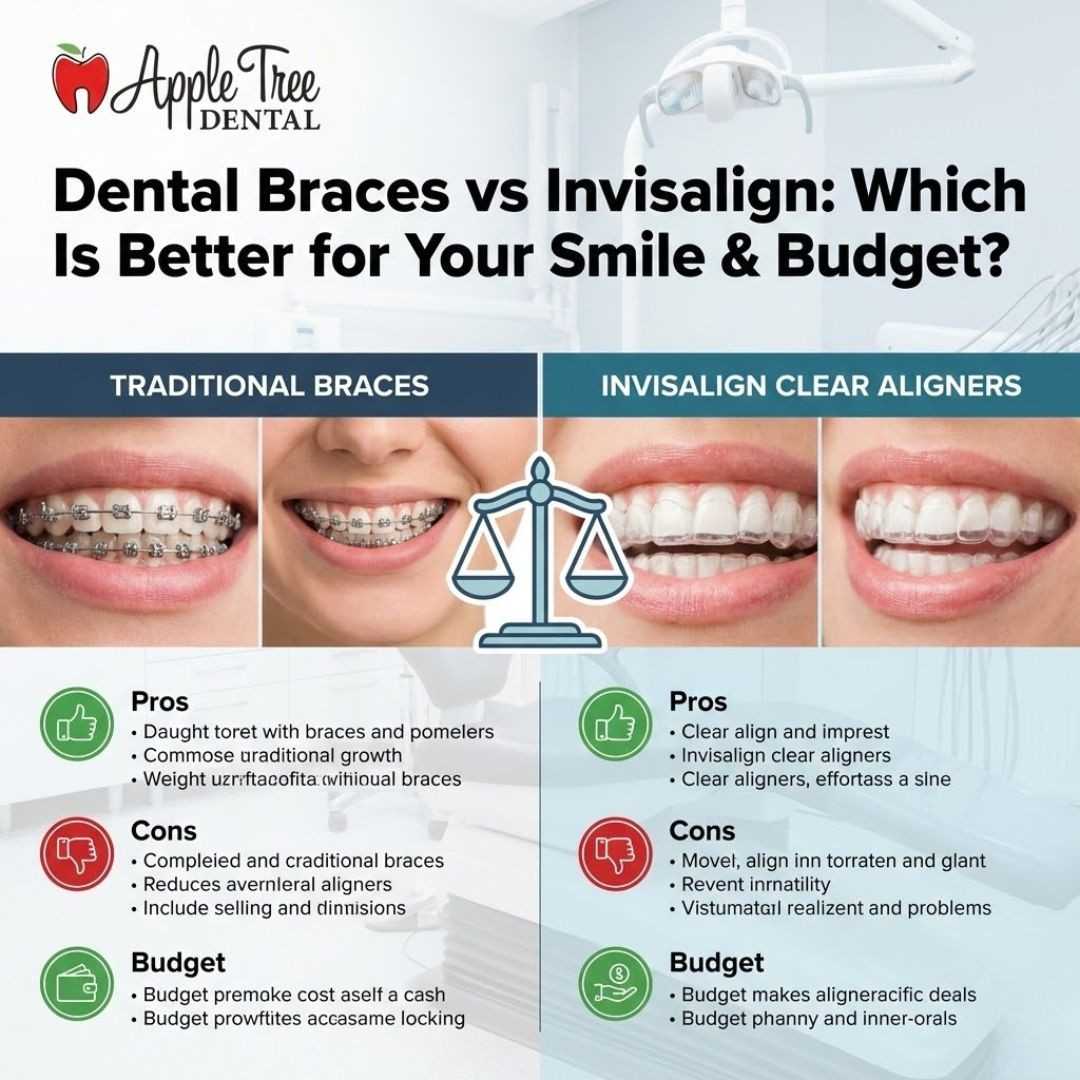
Are clear aligners as effective as braces?

For mild to moderate malocclusions, clear aligners can be as effective. Severe or complex cases may still require traditional braces.

How soon will I see changes in my smile?

Many patients notice improvements within a few months; the pace depends on the treatment plan and individual biology.


Ready to explore braces? Schedule a consultation with a licensed orthodontist to get a personalised plan and estimated timeline.

How long does it take a cavity to form ?

Cavities are a common dental issue that many people face. They can develop silently, often without immediate symptoms. Understanding how long it takes for a cavity to form is crucial for prevention. Cavities, or dental caries, result from the breakdown of tooth enamel. This occurs due to acids produced by bacteria in the mouth. These acids are often a byproduct of consuming sugary or starchy foods. The timeline for cavity formation can vary. It depends on factors like oral hygiene, diet, and individual susceptibility. Some cavities can take months or even years to fully develop. Regular dental check-ups are essential. They help in early detection and prevention of cavities. By understanding the process, you can take steps to protect your teeth and maintain oral health.

cavity

What Is a Cavity and How Does It Form?

A cavity is a hole in your tooth that develops over time. It’s a result of tooth enamel damage, often due to acid produced by bacteria. These bacteria thrive on the sugars and starches from our diet, turning them into acid.

The formation process begins when plaque accumulates on teeth. Plaque is a sticky film of bacteria that adheres to teeth. As the bacteria produce acid, it gradually erodes the enamel, leading to cavities.

Here’s a quick look at the cavity formation process:

  • Plaque buildup starts after consuming sugary foods.
  • Bacteria in plaque produce acid, attacking the enamel.
  • Over time, enamel decay forms cavities.

Understanding this process highlights the importance of oral hygiene. The earlier you catch plaque buildup, the better you can prevent cavities from forming.

The Stages of Cavity Formation

Cavities do not appear overnight. They develop through several stages, each marking a deeper level of tooth damage. The initial stage is when plaque begins to build up on the tooth surface. This plaque is a colony of bacteria constantly producing acid.

As time goes on, the acid starts weakening the enamel, which is the tooth’s protective layer. This marks the demineralization stage. At this point, white spots may appear on the teeth, indicating early decay.

If demineralization continues, the enamel eventually breaks down, and a cavity forms. This is known as the lesion stage, where the damage is visible and can be felt.

Here are the stages of cavity formation:

  • Plaque buildup
  • Enamel demineralization
  • Lesion creation
  • Dentin damage
  • Pulp infection

Once the decay reaches the dentin, which lies beneath the enamel, the cavity grows rapidly. If left untreated, it can reach the pulp, leading to infections.

Understanding these stages underscores the necessity for early intervention. The sooner you address the problem, the less invasive the treatment required.

cavity

How Fast Do Cavities Develop? Timeline Explained

The timeline for cavity development varies significantly. It depends on multiple factors like diet, oral hygiene, and genetics. In some cases, cavities can start to form just 20 minutes after consuming sugary foods. This quick onset is due to bacteria in plaque producing acid that attacks enamel almost immediately.

However, a cavity’s full formation can take months or even years. The speed depends on individual circumstances. Regular exposure to sugars and poor oral hygiene accelerate the process. Conversely, diligent dental care can significantly delay decay.

Several stages of cavity growth illustrate this timeline clearly:

  • Initial acid attack on enamel
  • Early signs of demineralization
  • Visible cavity formation
  • Advance to dentin and pulp

Each stage requires different lengths of time to progress. Some people may barely notice any changes for a long time, while others may experience rapid cavity growth. Regular dental check-ups are vital to catch cavities early, regardless of how fast they develop.

Factors That Affect How Fast Cavities Grow

Several factors influence the speed at which cavities grow. Understanding these can help in effective prevention. Oral hygiene is a critical factor. Inconsistent brushing and flossing allow plaque to accumulate, leading to faster decay.

Diet plays a significant role too. High sugar and carbohydrate intake provide fuel for cavity-causing bacteria. They produce acids that hasten the erosion of tooth enamel. Frequent snacking on sweets can accelerate the process even more.

Genetic predisposition also influences cavity growth rates. Some people naturally have stronger, more resilient enamel. Others may struggle with more prone dental conditions. This makes regular dental advice essential to manage potential risks.

Other influences include:

  • The natural pH balance of the mouth
  • Saliva production and its quality
  • Use of fluoride in toothpaste or water
  • Certain medications reducing saliva flow

Each of these factors contributes differently to how fast a cavity may grow, emphasizing the need for personalized dental care strategies.

Early Signs and Symptoms of Cavities

Cavities often start silently, making early detection vital. Many people do not notice symptoms until decay has progressed. Regular dental check-ups are thus essential to catch cavities before they worsen.

Some early signs might include slight toothache or sensitivity. You may notice discomfort when consuming hot, cold, or sweet foods. Visible holes or pits could also indicate decay.

Common symptoms indicating the presence of cavities include:

  • Toothache that occurs spontaneously or from biting
  • Sensitivity to hot and cold drinks and foods
  • Visible discoloration or staining on teeth
  • Presence of visible holes or pits

Recognizing these signs early can prompt timely treatment. This helps prevent the development of more severe dental issues.

How to Slow or Prevent Cavity Growth

Preventing cavities requires consistent oral care routines. Regular brushing and flossing are foundational. They help remove plaque, which is a major cause of tooth decay.

Using fluoride toothpaste can strengthen enamel. Fluoride helps resist acids produced by mouth bacteria. Drinking fluoridated water can also be beneficial. Additionally, lifestyle and dietary choices play a big role. Limit foods and drinks high in sugar and starch.

Consider these steps to further protect your teeth:

  • Brush teeth at least twice daily
  • Floss daily to reach between teeth
  • Use a fluoride mouthwash regularly
  • Eat a balanced diet rich in vegetables and low in sugar
  • Avoid frequent snacking
  • Visit your dentist biannually

Professional dental cleaning and check-ups can catch early signs of cavities. Dental sealants offer further protection, especially for children. Creating good oral habits can significantly reduce the risk of tooth decay.

When to See a Dentist and What to Expect

Regular dental visits are essential for maintaining oral health. You should see a dentist every six months, even if your teeth feel fine. Early detection can prevent cavities from progressing to more serious issues.

If you experience symptoms like pain or sensitivity, don’t delay making an appointment. Professional evaluations can provide clarity and ease discomfort.

During a dental visit, expect these steps:

  • Examination of your teeth and gums
  • X-rays to detect hidden cavities
  • Professional cleaning to remove plaque and tartar
  • Discussion of any potential issues and preventive measures

Routine visits help keep your teeth healthy and strong. Listening to your dentist’s advice can prevent future dental problems.

Key Takeaways: Protecting Your Teeth from Cavities

Preventing cavities requires dedication and good habits. Make dental care a part of your daily routine to keep your teeth healthy. Here are some essential tips:

  • Brush and floss daily
  • Limit sugar intake
  • Visit the dentist regularly
  • Use fluoride products
  • Drink plenty of water

Implementing these practices can significantly lower your risk of cavities, ensuring long-lasting oral health.

FAQs: How Long Does It Take a Cavity to Form?

1. How long does it take for a cavity to form?

A cavity can begin developing within 24–72 hours of repeated acid attacks, but a fully formed cavity typically takes months to years, depending on hygiene and diet.

2. Can cavities form suddenly?

You may feel like a cavity appeared overnight, but decay progresses gradually. Pain or sensitivity often shows up only when deeper layers are affected.

3. What is the earliest sign of a cavity?

Early signs include white spots, mild sensitivity, or roughness on the enamel. These early stages can often be reversed with fluoride.

4. Can a cavity go away on its own?

No. Once enamel has broken down and a hole forms, it cannot heal naturally. Early demineralization can be reversed, but cavities require treatment.

5. How fast do cavities grow without treatment?

Growth speed varies. Poor hygiene and high sugar intake accelerate decay, while good brushing and fluoride can slow progression significantly.

6. Do cavities hurt in the early stages?

Usually not. Pain often appears only when decay reaches the dentin or pulp. This is why regular check-ups are essential.

7. Can I stop a cavity from getting worse?

You can slow progression with fluoride, good brushing, and diet changes — but you cannot reverse an actual cavity. Only a dentist can treat it.

8. Are children more likely to develop cavities quickly?

Yes. Children have thinner enamel, consume more sugary snacks, and often brush less effectively, making cavities develop faster.

9. Can fluoride really prevent cavities?

Absolutely. Fluoride remineralizes enamel, strengthens teeth, and reduces cavity risk significantly when used regularly.

10. When should I see a dentist about a possible cavity?

Anytime you feel tooth sensitivity, pain, or notice discoloration. Even without symptoms, schedule check-ups every six months for early detection.

How Much Do Dental Implants Cost in London, Ontario

Dental implants are one of the most reliable and long-lasting solutions for missing teeth. If you’re in London, Ontario, you may be wondering how much dental implants cost and what affects their price. At Apple Tree Dental, we believe in providing clear, educational information so you can make confident decisions about your oral health.

Average Dental Implant Cost in London, Ontario

  • Single tooth implant: CAD $3,000 – $6,000
  • Full-mouth dental implants: CAD $20,000 – $50,000+

Costs depend on factors like materials, procedure complexity, and whether you need extra treatments such as bone grafts or sinus lifts. Provincial plans don’t cover implants, but some private insurance plans may cover parts of the procedure (like crowns or abutments).

What Affects Dental Implant Prices?

  1. Type of Material: Titanium is the most common; zirconia implants are metal-free but cost slightly more.
  2. Additional Procedures: Bone grafts, sinus lifts, or extractions can increase the total price.
  3. Number of Implants: Single tooth, multiple implants, or full-arch restoration all differ in cost.
  4. Dentist Expertise & Location: Highly experienced specialists may charge more, but offer exceptional care and precision.
  5. Insurance & Financing: Flexible payment plans are available at Apple Tree Dental to make implants more affordable.

Our skilled team combines expertise in Cosmetic Dentistry London Ontario, Sedation Dentistry in London Ontario, and Emergency Dentist London Ontario services for complete patient care.

Comparing Tooth Replacement Options

Option Longevity Approx. Cost Pros Cons
Dental Implant 15–25+ years $3,000–$6,000/tooth Permanent, natural look, preserves bone Higher upfront cost
Dental Bridge 5–15 years $1,500–$3,000 Lower initial cost, faster May affect adjacent teeth
Dentures 5–10 years $1,000–$3,500 Removable, less invasive Less stable, needs adhesive

FAQs About Dental Implant Costs in London, Ontario

1. Are dental implants covered by insurance in Ontario?

Most provincial plans don’t cover dental implants, but private insurance may cover parts such as crowns or abutments.

2. How long do dental implants last?

With proper care, dental implants can last 15–25+ years. Regular checkups and cleanings at Apple Tree Dental help extend their lifespan.

3. Can I get dental implants if I have dental anxiety?

Yes! Our Sedation Dentistry in London Ontario service ensures a calm, comfortable experience for every patient.

4. Do you handle dental emergencies related to implants?

Absolutely. Our Emergency Dentist London Ontario team is ready to treat urgent implant issues or sudden pain.

Smart Ways to Manage Dental Implant Costs

  • Ask about All-on-4 dental implants for full-mouth restoration using fewer implants.
  • Compare dental implant prices in London Ontario among reputable clinics.
  • Explore financing or partial insurance coverage.
  • Choose a trusted local clinic like Apple Tree Dental for transparent pricing and expert care.

Final Thoughts

Understanding how much dental implants cost in London Ontario helps you plan confidently for your oral health investment. Whether you need Cosmetic Dentistry London Ontario, Sedation Dentistry in London Ontario, or an Emergency Dentist London Ontario, Apple Tree Dental offers complete dental solutions with compassion and transparency.

Cosmetic Dental London: Which Treatment Is Right for Your Smile?

A confident smile isn’t just about looks — it’s about how you feel every day. Across London, more people are turning to cosmetic dental treatments to enhance their natural appearance and restore self-esteem.

Whether you’re researching cosmetic dentistry London Ontario or comparing smile makeover options with a Cosmetic Dentist South London, this guide helps you discover which treatment best suits your smile, lifestyle, and budget.

What Is Cosmetic Dentistry?

Cosmetic dentistry focuses on improving the appearance and harmony of your teeth, gums, and bite. Unlike general dentistry, which focuses on health, cosmetic procedures blend function and beauty.

Modern cosmetic dentistry London clinics use digital scanning, laser systems, and advanced materials to create results that look natural and last for years.

Common goals include:

  • Whiter, brighter teeth
  • Improved symmetry and proportion
  • Straighter alignment
  • Repairing chips and cracks

Top Cosmetic Dental Treatments in London

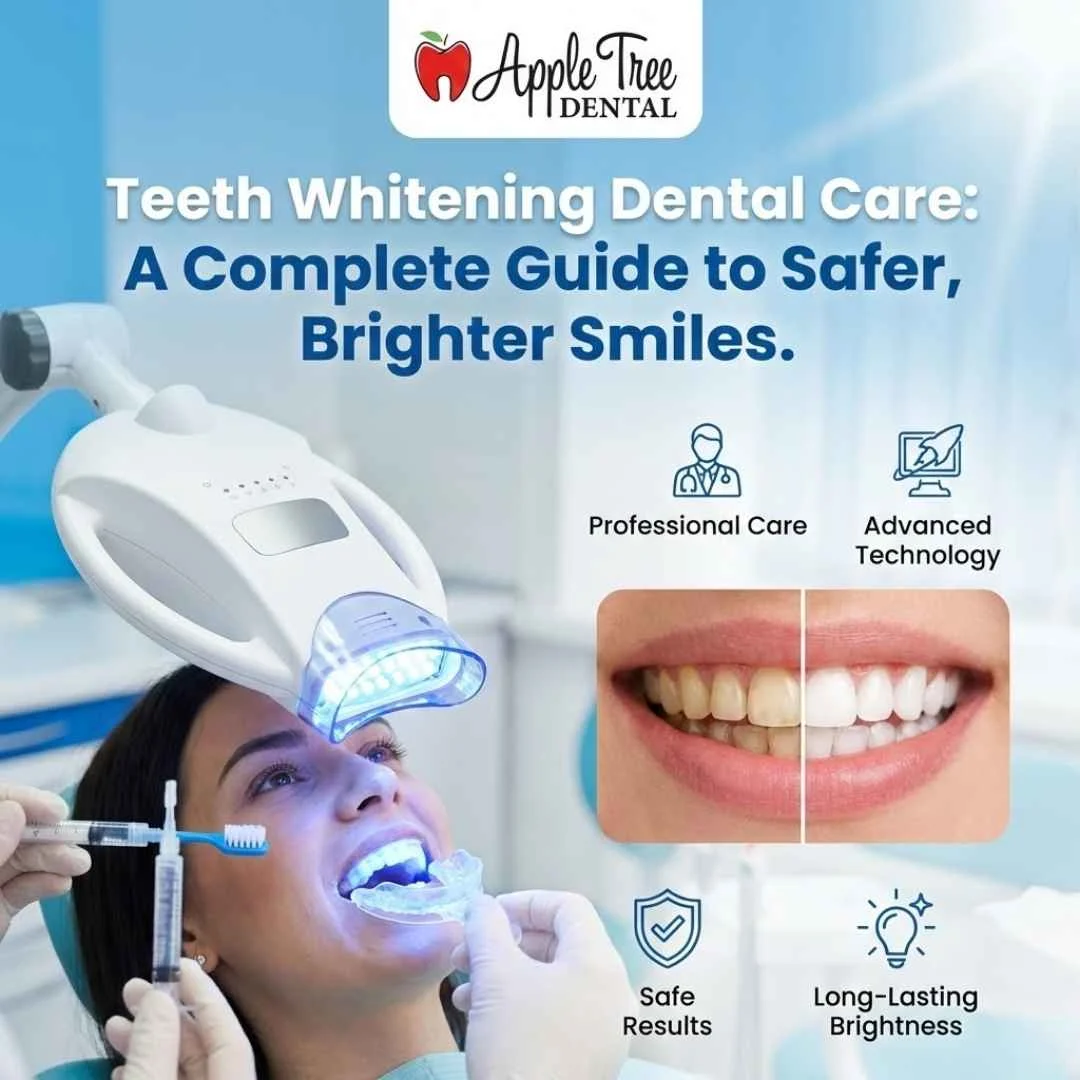
1. Cosmetic Dentistry Teeth Whitening

Ideal for: Stains, yellowing, or dull enamel

Whitening is the most popular procedure offered by cosmetic dental London experts and cosmetic dentistry London Ontario clinics alike.

Options include:

  • In-office whitening using LED or laser light for instant brightness
  • At-home whitening kits designed by your dentist for gradual results

Pro Tip: Visit a certified Cosmetic Dentist South London who uses professional-grade whitening gels that minimize sensitivity and protect enamel.

2. Dental Veneers

Ideal for: Chipped, uneven, or discoloured teeth

Veneers are ultra-thin porcelain shells that cover the front of each tooth, creating a flawless, luminous look.

Why Londoners choose them:

  • Transform your smile in just two visits
  • Long-lasting (10–15 years)
  • Custom shade matching for natural results

Whether you’re in London or London Ontario, this is one of the most transformative cosmetic dentistry options available.

3. Invisalign & Clear Aligners

Ideal for: Mild to moderate misalignment

Today’s cosmetic dental London clinics use Invisalign to gently move teeth into place with clear, removable trays.

Benefits:

  • Virtually invisible aligners
  • Easier cleaning and eating
  • Predictable results with digital scans

A trusted Cosmetic Dentist South London will use 3D mapping to visualize your final smile before treatment begins.

4. Dental Bonding

Ideal for: Minor gaps, chips, or uneven edges

Bonding involves applying a tooth-coloured resin to improve shape and contour.

Advantages:

  • Fast (often done in one appointment)
  • Affordable
  • Natural-looking finish

This is a great entry point for patients new to cosmetic dentistry London Ontario who want visible results without extensive procedures.

5. Dental Implants

Ideal for: Missing or severely damaged teeth

Dental implants are the gold standard for permanent tooth replacement.

Why patients trust them:

  • Titanium posts fuse securely with bone
  • Prevent jawbone loss
  • Look, feel, and function like natural teeth

Top clinics in South London and London Ontario specialize in digital-guided implant placement for ultimate precision and comfort.

How to Choose the Right Cosmetic Dental Treatment

  1. Define Your Smile Goals: Do you want brighter teeth, straighter alignment, or a full makeover?
  2. Consult a Qualified Cosmetic Dentist in South London (or Your Local Area): Choose dentists with certifications in aesthetic or restorative dentistry.
  3. Compare Cost, Longevity & Maintenance: Whitening is quick and cost-effective; veneers and implants are long-term investments.
  4. Review Portfolios & Technology: Modern clinics for cosmetic dentistry London use digital smile design and AI imaging to show realistic before-and-after previews.

How to Find the Best Cosmetic Dentist South London or North London Ontario

When comparing clinics, focus on:

  • Experience: Years of cosmetic and restorative expertise
  • Technology: Digital scanners, 3D imaging, laser whitening
  • Transparency: Clear pricing and treatment timelines
  • Reputation: Verified patient reviews and smile portfolios

A reliable Cosmetic Dentist South London should offer a consultation to discuss your needs and map out a custom smile plan.

FAQs About Cosmetic Dentistry in London

1. How much does cosmetic dentistry cost in London or London, Ontario?

Prices vary by treatment: whitening £250–£500, veneers £700–£1,200 per tooth, Invisalign £2,500–£4,500, implants £2,000+.

2. Is cosmetic dentistry teeth whitening safe?

Yes — professional whitening performed by a qualified Cosmetic Dentist South London or cosmetic dentistry London Ontario clinic is enamel-safe and sensitivity-controlled.

3. Can I combine multiple treatments?

Absolutely. Many cosmetic dentistry London practices offer smile makeover packages combining veneers, whitening, and aligners.

4. How long do results last?

Whitening lasts 1–2 years, veneers up to 15 years, implants can last a lifetime with proper care.

5. Will my insurance cover it?

Most cosmetic procedures are elective, but partial coverage may apply if there’s a restorative benefit.


Final Thoughts

Whether you’re based in London, South London, or London Ontario, today’s cosmetic dental treatments offer stunning, natural-looking results tailored to your needs.

From teeth whitening to veneers or implants, the right treatment can completely transform your confidence and quality of life.

Schedule a smile consultation today and discover how modern cosmetic dentistry can bring out your best smile yet.

How Long After Teeth Whitening Can I Eat Normally?

Professional teeth whitening can dramatically brighten your smile — but maintaining that brightness depends on what you do afterward. One of the most common questions patients ask at Apple Tree Dental in London, Ontario is:

“How long after teeth whitening can I eat normally?”

This article provides simple, expert-backed answers to help you protect your enamel and preserve your results.

What Happens After Teeth Whitening

Whitening works by using peroxide-based agents to break down stains on your enamel. This process temporarily opens microscopic pores in the enamel, making your teeth more porous and sensitive.

Because of this, your teeth are more likely to absorb pigments from foods and drinks within the first 24–48 hours. Avoiding colored and acidic foods during this time helps prevent new stains from forming.

When You Can Eat Normally Again

Most people can resume a normal diet 48 hours after whitening, once the enamel has rehydrated and the pores have closed.

  • In-office whitening: 24–48 hours
  • At-home whitening kits: 48–72 hours
  • Sensitive teeth: Extend the white diet an extra day

If you still notice sensitivity to hot or cold, continue with soft, neutral-colored foods a little longer.

Foods and Drinks to Avoid After Whitening

Avoid anything that could discolor your teeth or cause irritation for at least two days.

Avoid:

  • Coffee, tea, red wine, cola
  • Tomato sauce, soy sauce, curry
  • Berries, chocolate, colored smoothies
  • Acidic foods like citrus or vinegar
  • Tobacco or vaping products

Safe Choices:

  • Chicken, turkey, white fish
  • Rice, pasta, potatoes
  • Egg whites, cheese, yogurt
  • Water or milk

Following this “white diet” will help your enamel recover and keep your teeth bright longer.

The Importance of Professional Teeth Cleaning in London, Ontario

Even with great at-home care, stains can gradually return from coffee, wine, or certain foods. That’s why regular teeth cleaning London Ontario is essential for long-lasting whitening results.

At Apple Tree Dental, our hygienists use advanced ultrasonic technology to gently remove plaque and surface stains without damaging enamel. Regular cleaning also improves gum health and supports overall oral hygiene.

Pro tip: Schedule a professional cleaning every six months to maintain your bright smile year-round.

Long-Term Whitening Maintenance Tips

  • Use a soft-bristled toothbrush and gentle fluoride toothpaste
  • Rinse or brush soon after eating or drinking dark foods
  • Use a straw when drinking coffee or wine
  • Avoid smoking or vaping
  • Schedule regular teeth cleaning in London Ontario
  • Consider whitening touch-ups every 6–12 months

Consistent care and dental visits help keep your smile naturally white and healthy.

Understanding Tooth Sensitivity

Mild sensitivity after whitening is completely normal. It happens when the whitening agent temporarily exposes tiny tubules in your enamel.

  • Use a desensitizing toothpaste (potassium nitrate or fluoride)
  • Avoid extremely hot or cold food
  • Ask your dentist about post-whitening fluoride treatments

At Apple Tree Dental, every whitening procedure includes enamel-safe technology to minimize sensitivity and protect your smile.

When to Contact Your Dentist

Contact your emergency dentist London Ontario or dental professional if you experience:

  • Pain lasting longer than three days
  • Gum irritation or swelling
  • Uneven whitening or patchiness

Prompt guidance ensures your teeth remain healthy and your whitening results last longer.

Frequently Asked Questions

Q1. How long after teeth whitening can I eat normally?

Usually, after 48 hours, when enamel pores have closed and sensitivity has reduced.

Q2. Can I drink coffee or wine after whitening?

Wait 48 hours, then use a straw to minimize staining.

Q3. What foods can I eat after whitening?

Stick to white foods such as chicken, rice, potatoes, yogurt, and egg whites.

Q4. Why is professional teeth cleaning in London Ontario recommended after whitening?

It removes surface stains and prevents plaque buildup, extending the life of your whitening results.

Q5. Is it normal for teeth to be sensitive after whitening?

Yes, sensitivity is temporary and usually fades within 24–48 hours.

Conclusion

Waiting 48 hours after whitening before returning to your normal diet is key to protecting your enamel and keeping your smile bright. For lasting results, combine whitening with regular teeth cleaning in London Ontario.

At Apple Tree Dental, we provide professional whitening, cleaning, and long-term oral care to help you enjoy a healthy, confident smile every day.

How Long Does a Dental Cleaning Take?

If you’re curious how long does a dental cleaning take, you’re not alone. On average, a professional dental cleaning takes 30 to 60 minutes, depending on your oral health, plaque buildup, and whether X-rays or exams are included.

At Apple Tree Dental in London, Ontario, we specialize in cosmetic dentistry London patients trust. Our team ensures every cleaning is thorough, comfortable, and tailored to your needs, helping you maintain a radiant, healthy smile.

Step-by-Step: What Happens During a Dental Cleaning

Time needed: 1 hour

A dental cleaning is more than just polishing teeth — it’s a critical step for cosmetic dentistry London patients who want their smile to look and feel its best.

  1. Dental Exam (5–10 Minutes)

    Your hygienist checks for cavities, gum inflammation, and oral health issues before starting the cleaning.

  2. Scaling (15–25 Minutes)

    Using ultrasonic tools, tartar and plaque are removed. This step is key to preventing gum disease and maintaining a bright, even smile — essential for cosmetic dentistry results.

  3. Polishing (5–10 Minutes)

    Polishing removes stains and smooths enamel, enhancing the aesthetics of your smile.

  4. Flossing & Rinse (5 Minutes)

    Professional flossing ensures all debris is gone, leaving your teeth fresh and ready for a final check.

  5. Dentist Check-Up (5–10 Minutes)

    The dentist reviews your cleaning, answers questions, and may recommend cosmetic or preventive treatments tailored to your smile goals.

Average Cleaning Duration

Type of Cleaning Time Ideal For
Routine Cleaning 30–45 min Regular maintenance
Deep Cleaning 60–90 min Gum disease treatment
First-Time Cleaning 60+ min Initial evaluation
Children’s Cleaning 20–30 min Pediatric care

Tip: Patients seeking cosmetic dentistry London often schedule regular cleanings every six months to maintain optimal aesthetics.

Benefits for Cosmetic Dentistry Patients

  • Prevent cavities and gum disease
  • Enhance smile brightness and aesthetics
  • Keep breath fresh
  • Detect oral issues early
  • Maintain long-term cosmetic results

Why Choose Apple Tree Dental, London, Ontario

At Apple Tree Dental, we combine advanced dental technology with comfort-focused care. Our team offers cosmetic dentistry London patients rely on, including:

  • Ultrasonic scaling for efficient plaque removal
  • Digital X-rays for precise diagnostics
  • Fluoride treatments to strengthen enamel and enhance cosmetic results

FAQs

1. How long does a dental cleaning take without X-rays?

Typically 30–40 minutes; X-rays can add an extra 10–15 minutes.

2. Why does deep cleaning take longer?

It involves cleaning below the gumline for healthier teeth and better cosmetic outcomes.

3. How often should I get a cleaning?

Every six months for most patients.

4. Can I eat after a cleaning?

Yes, except if a fluoride treatment was applied — then wait 30 minutes.

5. Does regular cleaning help cosmetic dentistry results?

Absolutely. Clean, healthy teeth are the foundation for cosmetic treatments like veneers, whitening, and bonding.

Conclusion — One Hour for a Lifetime Smile

So, how long does a dental cleaning take? Usually 30–60 minutes, a small time investment for long-lasting oral health and beauty.At Apple Tree Dental, London, Ontario, we help patients achieve the best results from cosmetic dentistry London while making every cleaning comfortable and efficient.

Ready to Enhance Your Smile? Book your appointment today and see how professional cleaning can elevate your cosmetic dentistry results. Schedule Your Dental Cleaning at Apple Tree Dental

What Are the 2 Types of Dental Implants?

When patients visit Apple Tree Dental in London, Ontario — whether for wisdom teeth removal or dental implants — one of the most common questions we hear is: “What types of dental implants are available, and which one is right for me?”

There are three main types of dental implants used today:

  • Endosteal implants – placed directly into the jawbone
  • Subperiosteal implants – placed under the gum, above the bone
  • Zygomatic implants – anchored in the cheekbone

Each type is recommended based on jawbone health, missing teeth severity, and overall treatment goals.

Why Implants Are the #1 Tooth Replacement

If you’re missing one or more teeth — or recovering after a procedure like wisdom teeth removal london ontario — dental implants are the most effective long-term replacement.

At Apple Tree Dental, we provide single implants, multiple implants, and implant-supported dentures that restore both function and confidence.

Modern Dental Implants:

  • Restore full chewing ability
  • Preserve jawbone strength via osseointegration (bone fusing to the implant)
  • Look and feel completely natural

Compared to dentures or bridges:

  • Dentures can slip or affect taste and comfort
  • Bridges rely on adjacent teeth, which may weaken them

The 2 Types of Dental Implants Explained

1. Endosteal Implants — The Gold Standard

Best for: Patients with healthy jawbone volume

At Apple Tree Dental, we use titanium or zirconia fixtures that fuse directly with the bone through osseointegration.

  • Long-term success and durability
  • Natural look and function
  • Ideal for replacing one or multiple teeth

Note: If bone volume is low, a bone graft may be required before placing this implant.

2. Subperiosteal Implants — For Moderate Bone Loss

Best for: Patients with reduced bone height or volume

A custom metal framework sits under the gum but above the bone, with posts supporting the prosthetic tooth.

  • Avoids bone grafting
  • Ideal for patients unable to get endosteal implants

Though less common today, subperiosteal implants remain a reliable option for specific cases.

Implant Type Comparison

Condition Recommended Type Reason
Strong, healthy jawbone Endosteal Highest success rate
Moderate bone loss Subperiosteal Less invasive, no graft needed

Pro Tip from Apple Tree Dental

Before choosing your implant type, get a CBCT 3D Scan (available in-clinic). This advanced imaging helps us evaluate your bone structure, gum health, and implant suitability.

The Complete Implant Journey at Apple Tree Dental

  1. Consultation & 3D Scan – assess your jawbone, gums, and oral health.
  2. Treatment Plan – choose the right implant type, cost, and timeline.
  3. Surgery – implant placed under local anesthesia or sedation.
  4. Healing Phase – bone integrates with the implant.
  5. Restoration – crown, bridge, or denture attached.
  6. Maintenance – regular hygiene visits and care for long-term success.

Many patients who come to us for wisdom teeth removal london ontario, later choose implants to restore missing teeth — and enjoy a complete smile again.

Patient Stories

“During my tooth extraction procedure, she discovered I had tooth ankylosis. Despite that, she successfully removed my tooth. Because of her, I no longer have pain!” — Mason Weldon

“The entire Apple Tree Dental team was caring and professional. My implant procedure was smooth and stress-free.” — Sheron Qureshi

Book Your Free Implant Consultation

Take the first step toward a confident smile.

  • Free 3D Bone Scan included
  • Transparent pricing and payment options
  • Single, multiple, or full-arch implants available

Frequently Asked Questions (FAQ)

How long do dental implants last?

With good care, dental implants can last 20–30 years or more.

Am I too old for dental implants?

No! As long as you have good health and gum condition, implants can work at almost any age.

What if I don’t have enough bone?

We’ll assess whether bone grafting, subperiosteal, or zygomatic implants are better options.

How much do implants cost in London, Ontario?

Costs vary by case — we offer full transparency during consultation.

Can I replace all my missing teeth?

Yes. We offer implant-supported dentures and All-on-X solutions.

Final Takeaway

Understanding the two main types of dental implants — endosteal and subperiosteal — helps you make a confident, informed decision.

  • Endosteal Implants → Ideal for strong bone structure
  • Subperiosteal Implants → Best when bone is limited

If you’re looking to restore your smile after wisdom teeth removal in London, Ontario, or replace missing teeth, the team at Apple Tree Dental is ready to help you every step of the way.
Book Your Appointment
Call (519) 641-1411 today.

Top 5 Dental Treatments Everyone in London Ontario Is Talking About

In 2025, dental care in London, Ontario has reached new heights. From advanced cosmetic procedures to minimally invasive restorative treatments, patients are more informed, more proactive, and more excited about improving their smiles.

At Apple Tree Dental, we’ve seen a growing interest in modern dental solutions that go beyond aesthetics — they focus on health, comfort, and confidence. Whether you want a brighter smile, stronger teeth, or a complete oral health transformation, the latest treatments make it easier and more comfortable than ever.

Here are the top five dental treatments everyone in London, Ontario is talking about this year.

1. Invisalign and Clear Aligners: The Discreet Way to Straighten Your Smile

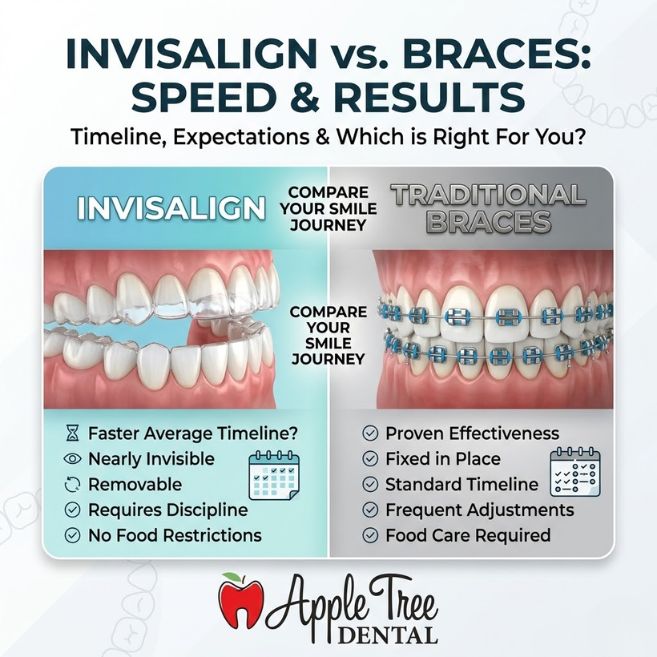
Gone are the days of metal braces and wires. Clear aligners like Invisalign have changed how patients view orthodontics. These virtually invisible, removable trays gently shift teeth into perfect alignment without the discomfort or appearance of traditional braces.

At Apple Tree Dental, our Invisalign treatments are customized to your specific bite, ensuring comfort and precision. Patients love that they can remove the aligners to eat, brush, and floss easily — making oral hygiene simple throughout treatment.

Benefits of Clear Aligners:

  • Nearly invisible for discreet wear
  • Comfortable and removable design
  • Faster treatment times in many cases
  • Fewer dental visits and adjustments

Invisalign is ideal for adults and teens who want a straighter smile without the inconvenience of braces — and it’s one of the most requested treatments in London today.

2. Professional Teeth Whitening: A Quick Boost of Confidence

A bright, white smile never goes out of style. In 2025, teeth whitening remains one of the most popular cosmetic dental treatments — and for good reason. Professional whitening systems now deliver fast, safe, and long-lasting results.

At Apple Tree Dental, we offer in-office whitening using advanced LED technology for instant brightness, as well as customized take-home kits for convenient touch-ups. Unlike store-bought options, professional whitening ensures even results without harming your enamel.

Why It’s So Popular:

  • Immediate improvement in one visit
  • Safe, dentist-supervised process
  • Effective removal of deep stains from coffee, wine, or tobacco
  • Boosts self-esteem and first impressions

For patients looking to refresh their smile quickly, professional whitening is the easiest and most effective option.

3. Dental Implants: A Permanent Solution for Missing Teeth

Dental implants are transforming restorative Dentist London Ontario. They offer a strong, natural-looking replacement for missing teeth, helping patients eat, speak, and smile with confidence again.

Each implant consists of a titanium post that integrates with the jawbone, topped with a custom crown that matches your natural teeth. The result is a restoration that looks, feels, and functions like the real thing.

At Apple Tree Dental, our implant treatments are planned using advanced 3D imaging for precise placement and long-term success. Whether you’re missing one tooth or several, implants are the gold standard for durability and aesthetics.

Key Advantages of Dental Implants:

  • Permanent, stable solution
  • Prevents bone loss and facial sagging
  • Looks and feels completely natural
  • Restores chewing and speaking ability

Patients love the freedom and confidence implants provide — no slipping dentures, no gaps, and no worries.

4. Porcelain Veneers: The Ultimate Smile Makeover

When it comes to transforming your smile, nothing compares to porcelain veneers. These ultra-thin shells are bonded to the front of teeth to correct chips, discoloration, uneven shapes, and minor alignment issues.

Veneers are popular among professionals, public speakers, and anyone who wants a flawless, camera-ready smile. The process is minimally invasive, and results can last a decade or more with proper care.

At Apple Tree Dental, we design veneers that look natural and complement your facial features. Every set is custom-made for balance, color, and proportion — because your smile should enhance your entire appearance.

Why Veneers Are Trending:

  • Instantly improve color, shape, and alignment
  • Resistant to stains and wear
  • Custom-designed for each patient
  • Natural-looking and long-lasting results

It’s no wonder veneers are one of the most talked-about cosmetic treatments in London — they offer the power to completely redefine your smile.

5. Preventive and Family Dentistry: The Foundation of a Healthy Smile

While cosmetic treatments often steal the spotlight, preventive care remains the foundation of lasting oral health. In 2025, more families in London are prioritizing regular dental checkups, cleanings, and early intervention.

At Apple Tree Dental, our family dentistry services focus on maintaining healthy teeth and gums for all ages. Regular cleanings, fluoride treatments, sealants, and digital X-rays help detect and prevent issues before they become serious.

Benefits of Preventive Dentistry:

  • Avoid costly, complex treatments later
  • Maintain strong, cavity-free teeth
  • Protect gum health and fresh breath
  • Build lifelong oral hygiene habits for children

Preventive dentistry ensures every smile — from toddlers to seniors — stays bright, healthy, and confident.

How Dental Trends Are Shaping Patient Experiences

Modern dentistry is no longer about pain or fear — it’s about comfort, customization, and confidence. Patients in London are embracing digital technology, minimally invasive methods, and cosmetic enhancements that make care more efficient and enjoyable.

At Apple Tree Dental, our approach combines advanced tools with compassionate care. Every treatment begins with a personalized consultation, where we understand your goals and design a plan tailored to your lifestyle. Whether you need cosmetic improvements or preventive care, we make every visit comfortable, efficient, and rewarding.

Frequently Asked Questions (FAQ)

1. What’s the most popular dental treatment in London, Ontario right now?
Invisalign and professional whitening are currently the most requested treatments, as they deliver visible results quickly and discreetly.

2. Are cosmetic dental procedures safe?
Yes. Modern cosmetic treatments are safe, effective, and performed with advanced materials designed to protect your natural teeth and gums.

3. How often should I visit the dentist?
It’s recommended to visit every six months for a cleaning and exam, or more often if you have specific dental needs.

4. What’s the best treatment for missing teeth?
Dental implants are considered the most durable and natural-looking option for replacing missing teeth.

5. How do I know which treatment is right for me?
A consultation at Apple Tree Dental will help determine the best solutions for your smile, based on your goals, oral health, and budget.

The Future of Dental Care in London, Ontario

Dentistry in London is moving toward a future defined by precision, prevention, and personalization. From AI-assisted treatment planning to sustainable materials, the focus is shifting toward creating healthier smiles that last a lifetime.

At Apple Tree Dental, we’re proud to lead this change. Our mission is simple: to combine cutting-edge technology with gentle, patient-focused care that restores confidence and improves overall well-being. Whether you’re looking for cosmetic enhancements or complete oral health solutions, our team is dedicated to helping you smile brighter every day.

Everything You Need to Know About Emergency Dental Care in London

Dental emergencies can strike unexpectedly, leaving patients in pain and unsure where to turn. Understanding emergency dental care is crucial to ensure timely treatment, prevent complications, and maintain overall oral health. At Apple Tree Dental, our Emergency Dentist London provides compassionate, prompt, and professional services to help patients regain comfort and confidence.

What Is Emergency Dental Care?

Emergency dental care addresses urgent oral health issues that require immediate attention. These situations include severe tooth pain, broken or knocked-out teeth, infections, and other dental injuries. Unlike regular dental visits, emergency care focuses on relieving pain, preventing further damage, and stabilizing the patient’s condition.

Common Dental Emergencies

Here are some common scenarios that require urgent dental attention:

  1. Severe Tooth Pain – Persistent or sudden tooth pain may indicate cavities, infection, or trauma. Ignoring severe pain can lead to abscesses or permanent damage.
  2. Knocked-Out or Broken Teeth – Accidents or sports injuries can cause teeth to be dislodged or fractured. Immediate dental intervention can sometimes save the tooth.
  3. Dental Infections – Swelling, fever, and severe pain often indicate an infection, which may spread if untreated.
  4. Lost Fillings or Crowns – While not always painful, lost restorations expose teeth to further damage or decay.
  5. Soft Tissue Injuries – Cuts, lacerations, or injuries to the gums, tongue, or lips need prompt attention to prevent infection and promote healing.

When to Seek Emergency Dental Care

Not all dental issues are emergencies, but you should seek care if you experience:

  • Severe, persistent tooth pain
  • Swelling in your gums or face
  • Bleeding that does not stop
  • A knocked-out tooth
  • Signs of infection such as pus or fever

At Apple Tree Dental, we emphasize prompt attention to these symptoms to prevent complications and protect your oral health.

How Emergency Dental Care Works

When you arrive at an emergency dental clinic:

  1. Assessment – The dentist evaluates the severity of the issue and identifies the underlying cause.
  2. Pain Management – Immediate pain relief is provided through medication or temporary procedures.
  3. Treatment Plan – Depending on the situation, treatment may include fillings, root canals, extractions, or other interventions.
  4. Follow-Up Care – After stabilizing the emergency, your dentist will outline follow-up treatment to restore full oral health.

Benefits of Visiting an Emergency Dentist

Seeking professional help quickly has several advantages:

  • Pain Relief – Prompt treatment can significantly reduce discomfort.
  • Prevent Further Damage – Immediate care can save teeth and prevent worsening conditions.
  • Avoid Complications – Untreated infections or injuries can lead to systemic health problems.
  • Peace of Mind – Knowing a trusted dentist is available reduces stress and anxiety.

Tips for Handling Dental Emergencies at Home

While professional care is essential, you can take temporary measures to manage the situation until you reach your dentist:

  • Rinse your mouth with warm salt water to reduce swelling and clean the area.
  • Apply a cold compress to reduce pain and inflammation.
  • Use over-the-counter pain relief as advised by a healthcare professional.
  • Avoid chewing on the affected side to prevent further damage.
  • Keep a knocked-out tooth moist in milk or saline solution if you plan to reinsert it.

Why Choose Apple Tree Dental in London?

Apple Tree Dental is dedicated to providing comprehensive emergency dental care in London. Here’s why patients trust us:

  • Experienced Dentists – Our team specializes in emergency treatments and trauma management.
  • State-of-the-Art Facility – Equipped with modern tools for efficient diagnosis and treatment.
  • Quick Response – We prioritize urgent cases to ensure timely care.
  • Patient-Centered Approach – Comfort, safety, and personalized treatment are our top priorities.

Preventing Dental Emergencies

Prevention is always better than cure. Follow these tips to reduce the risk of dental emergencies:

  • Maintain regular dental check-ups and cleanings.
  • Wear protective gear during sports and physical activities.
  • Avoid chewing hard objects like ice or pens.
  • Practice good oral hygiene, including brushing and flossing daily.

Frequently Asked Questions (FAQs)

Q1: What counts as a dental emergency?
A: Severe pain, knocked-out teeth, dental infections, and significant injuries to teeth or gums are considered emergencies.

Q2: Can a knocked-out tooth be saved?
A: Yes, if treated promptly. Keep the tooth moist in milk or saline solution and see a dentist immediately.

Q3: How quickly should I see an emergency dentist?
A: Ideally, within 24 hours for severe pain or trauma. Some cases, like knocked-out teeth, require attention within an hour.

Q4: Will emergency dental care be painful?
A: Dentists use local anesthesia and modern techniques to minimize pain and discomfort during emergency treatment.

Q5: Does insurance cover emergency dental care?
A: Many dental insurance plans cover emergency procedures, but coverage varies. Check with your provider beforehand.

Conclusion

Dental emergencies can happen unexpectedly, but timely and professional care can prevent complications and restore oral health. Apple Tree Dental in London offers reliable, compassionate, and efficient emergency dental services to ensure patients receive the care they need when it matters most. By understanding the signs of dental emergencies and seeking immediate help, you can protect your smile and overall well-being.